
Image source: Pinterest
It is a striking phenomenon that the world’s best-selling liquor by volume is not a centuries-old European whiskey, a globally mass-produced vodka, or a Mexican tequila, but a clear, relatively low-alcohol beverage from South Korea known as soju. While its domestic dominance is historically rooted, its explosive international popularity is a modern diplomatic marvel intricately tied to the Hallyu, or the Korean Wave. Soju has transcended its status as a mere commercial commodity to become a potent symbol of South Korean cultural identity and nation-branding. In the realm of international relations, culture and cuisine are no longer viewed simply as trivial entertainment, but as vital assets of statecraft. This essay argues that South Korea successfully utilizes soju as a strategic tool of gastrodiplomacy to enhance its soft power and shape a warm, communal global identity. However, while this “green bottle diplomacy” is highly effective in many regions, it faces distinct cultural boundaries in non-alcohol-consuming societies, suggesting that South Korea must diversify its cultural exports to achieve truly universal soft power.
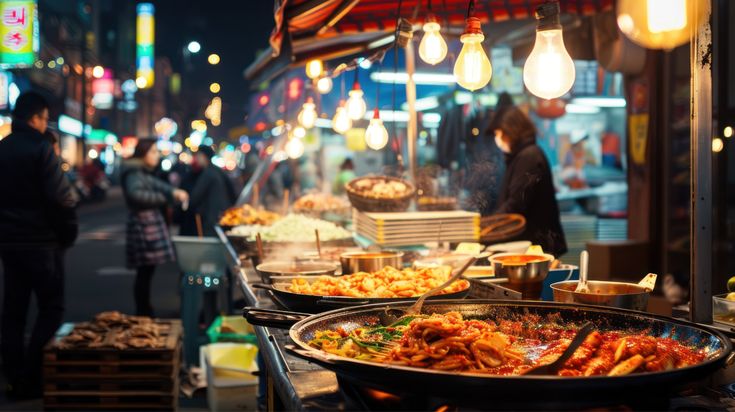
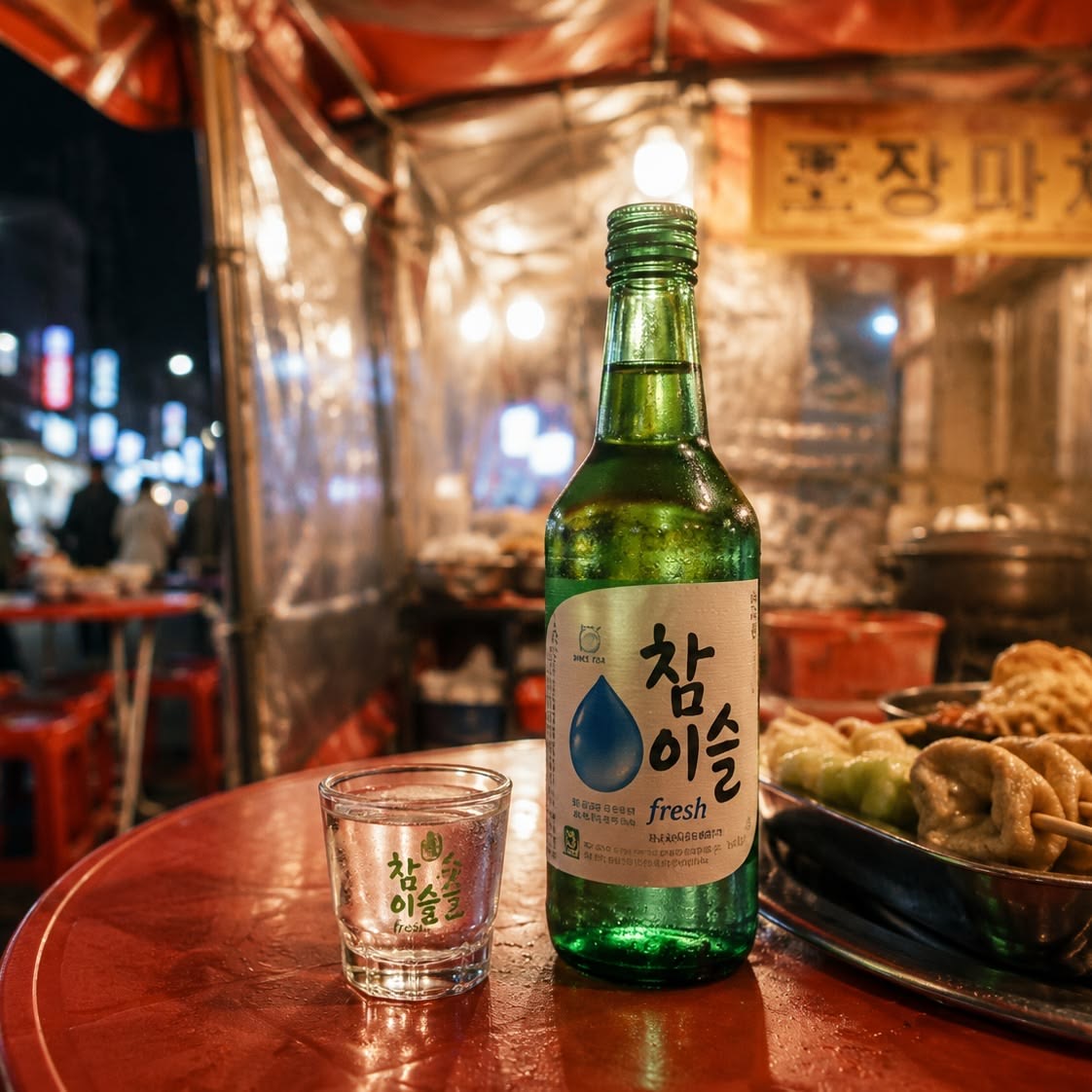
To understand the diplomatic weight of soju, one must first examine its symbiotic relationship with South Korea’s entertainment exports. The proliferation of South Korean media, particularly K-dramas and K-movies, has served as a global broadcasting mechanism for South Korean lifestyle and culinary habits. In almost every contemporary South Korean television series, soju makes a prominent appearance. It is frequently consumed in pojangmacha (street tent stalls) during moments of emotional vulnerability, or during hoesik (after-work corporate dinners) to build camaraderie among colleagues. The media frames soju not just as an intoxicant, but as an essential social lubricant that facilitates emotional expression, bonding, and reconciliation. Consequently, as international audiences consume South Korean media, they are simultaneously consuming South Korean cultural norms. The global demand for soju is therefore driven by an audience’s desire to participate in the idealized South Korean lifestyle they witness on screen. This consumer behavior transforms a domestic alcoholic beverage into a global cultural artifact, generating significant economic and diplomatic dividends for the South Korean state.
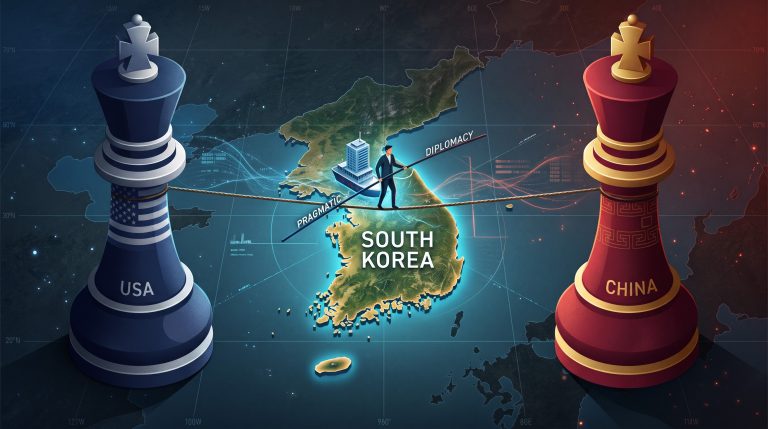
This phenomenon is best analyzed through the international relations framework of soft power and gastrodiplomacy. The concept of soft power, coined by political scientist Joseph Nye, is defined as the ability of a country to influence the behavior or thinking of other countries through attraction and co-optation, rather than coercion or financial rewards. While hard power depends on military and economic strength, soft power depends on the attractiveness of a country’s culture, political ideals, and policies. South Korea, which does not have the giant military footprint of superpowers the United States or China, has invested heavily in soft power as its main mechanism for gaining global influence. Within this broader soft power strategy, there is a specific practice in the form of gastrodiplomacy. Paul Rockower (2012) defines gastrodiplomacy as a method of public diplomacy in which a country uses its national cuisine to elevate its image, essentially “winning hearts and minds through the stomach.” In contrast to traditional inter-state diplomacy, gastrodiplomacy is people-to-people diplomacy. By exporting soju, South Korea acts as a cultural ambassador introducing the foreign public to its traditions, thereby cultivating goodwill, reducing cultural prejudices, and building an attractive national image.
The strategic promotion of soju has been very successful in building a certain global image for South Korea. Through the lens of gastrodiplomacy, the rituals of soju drinking pouring the drink for elders with two hands, turning one’s face away while drinking as a sign of respect, and toasting with the phrase “Geonbae!” project an image of a society that highly values respect, hierarchy, and communal harmony. This humanizes a country that is often stereotyped as being hyper-competitive and fast-paced. When foreign consumers participate in the ritual of drinking soju, they are engaging in micro-level diplomatic exchanges that foster an affinity for South Korea. This affinity translates into broader diplomatic capital, making the foreign public more receptive to South Korea’s political interests and economic exports.
However, critical analysis of this strategy reveals its inherent limitations. Although “soju diplomacy” has been highly effective in Western countries, Latin America, and parts of Asia, the strategy hits hard cultural boundaries when dealing with the Islamic world and other regions that have strict religious or cultural prohibitions against alcohol. In this geopolitical space, efforts to project soft power through alcoholic beverages are not only ineffective, but also potentially counterproductive because they clash directly with local values. Therefore, a country’s soft power will only be effective if it has cultural resonance with its target audience. These limitations expose South Korea’s vulnerability if it relies too heavily on soju as a universal cultural ambassador. To maintain its diplomatic momentum and ensure its soft power remains valid globally, South Korea cannot rely on one approach alone. The country should actively adapt its gastrodiplomacy to accommodate a diverse cultural landscape, perhaps by strengthening exports of halal-certified cultural foods, such as kimchi, ramyeon, or tteokbokki, to regions where soju cannot serve as an instrument of diplomacy.
In conclusion, South Korea’s global integration of soju stands as a masterpiece in modern public diplomacy. By intertwining its culinary heritage with the extraordinary reach of the Hallyu Wave, South Korea has succeeded in turning the humble green bottle into a powerful instrument of soft power and gastrodiplomacy. The country has successfully projected an attractive, communal and emotionally resonant national image to the global public. Nonetheless, cultural barriers surrounding alcohol consumption necessitate a more nuanced and multi-faceted approach to culinary diplomacy. Ultimately, South Korea’s greatest diplomatic triumph lies not in its military deterrence, but rather in its unmatched ability to invite the world to its dinner table, encouraging global citizens to raise glasses whether filled with soju or other cultural offerings in celebration of its cultural identity.
Writer: Mohammad Adrian Dwi Permana – 202510360110032
Reference:
Jin, D. Y. (2016). New Korean Wave: Transnational cultural power in the age of social media. University of Illinois Press.
Nye, J. S. (2004). Soft power: The means to success in world politics. PublicAffairs.
Rockower, P. S. (2012). Recipes for gastrodiplomacy. Place Branding and Public Diplomacy, 8(3), 235-246.