
Image source: Pinterest
In today’s interconnected world, international relations is no longer just about high-level politics, military power, or formal trade deals. Many countries are turning to cultural assets to build a friendly image and connect with people across borders. South Korea (hereafter Korea) offers a compelling example of this strategy through the global popularity of Hallyu, or the Korean Wave. While K-pop and K-dramas usually take center stage, from the author’s perspective, Korean food (K-food) serves as an even more accessible and long-lasting tool for cultural engagement. Through state-backed programs and popular media, Korea actively practices gastrodiplomacy the strategic use of food to build positive public diplomacy. As noted by the Ministry of Foreign Affairs of the Republic of Indonesia (2020), traditional cuisine is an effective way to showcase national identity and strengthen a nation’s international image. This essay argues that South Korea’s state-supported K-food diplomacy serves as an inclusive form of soft power, fostering mutual multicultural understanding while navigating the balance between cultural authenticity and local adaptation.
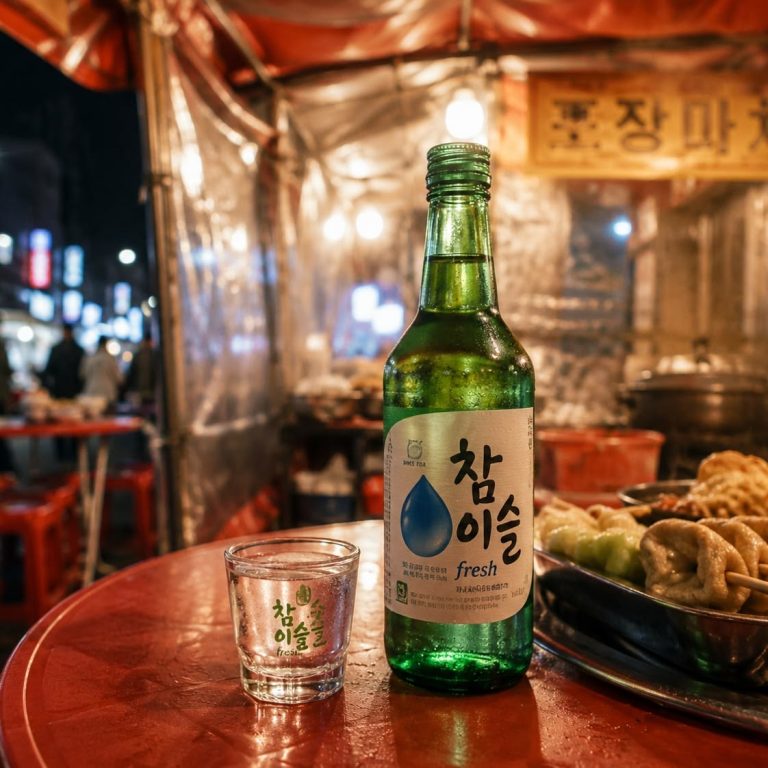
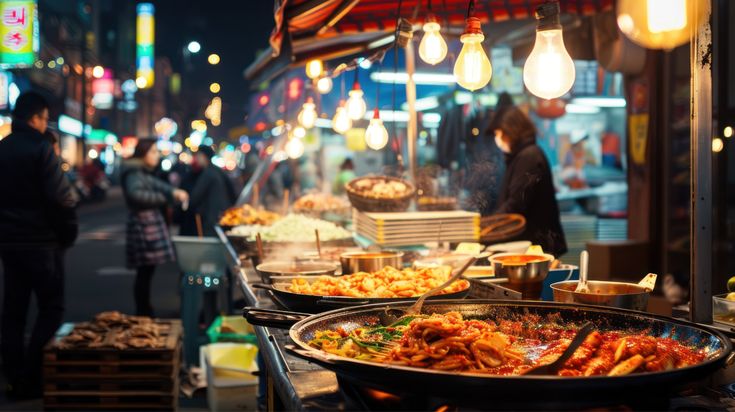
To understand why K-food works so well internationally, it is useful to look at the concept of soft power. Joseph Nye (2004) defines soft power as a country’s ability to influence others through the attraction of its culture, political values, and foreign policies, rather than through military force or financial payments. Gastrodiplomacy operates as a practical form of soft power. Focusing on the Indonesian context, Afrianty and Rahmanto (2018) show how South Korea uses gastrodiplomacy to expand its cultural presence and build a favorable national image. The author observes that food acts as a uniquely effective bridge in cross-cultural communication because it is inherently non-threatening, sensory, and enjoyable for people across language barriers. When foreign audiences try traditional dishes like kimchi, bibimbap, or bulgogi, it naturally sparks curiosity and creates positive feelings toward Korean culture as a whole (Kompas.com, 2022). The sensory experience of taste and aroma creates a lasting personal connection that formal political rhetoric often fails to achieve.
South Korea’s government began systematically promoting its food culture in 2008 through the “Korean Cuisine to the World” initiative. As Larasati and Utami (2021) point out, organizations like the Hansik Globalization Foundation have played a major role in organizing state-led gastrodiplomacy to boost Korea’s global reputation. The Korean government helped standardize English menu names, fund culinary training abroad, and host international food events. Interestingly, these government-led (top-down) efforts align naturally with commercial media exports (bottom-up). Paramita and Christian (2020) highlight that the popularity of Korean dramas and pop music directly encourages young people globally to try Korean food. In the author’s view, social media trends such as mukbang videos have further accelerated this phenomenon, turning ethnic Korean dishes into a trendy, everyday lifestyle choice worldwide (Setiawan & Kusuma, 2022; CNN Indonesia, 2021). This synergy between state policy and creative industries explains why Korean culinary diplomacy has gained such rapid global traction.
Beyond helping state interests, gastrodiplomacy creates real opportunities for multicultural learning in daily life. Wise and Velayutham (2009) describe this phenomenon as “everyday multiculturalism,” which focuses on how regular people experience and handle cultural differences through everyday activities like dining and cooking. Wulandari (2020) notes that Korean restaurants act as physical spaces for intercultural interaction, allowing non-Korean customers to learn about Korean food etiquette and social traditions firsthand. Additionally, as K-food spreads globally, it naturally goes through a process of cultural adaptation. Pratiwi and Suryani (2019) explain how Korean cuisine adapts to local taste preferences without losing its core identity. From the author’s standpoint, creative adaptations like halal-certified Korean food for Muslim consumers demonstrate meaningful cultural respect and accommodation, proving that culinary diplomacy can build an inclusive space for cross-cultural dialogue (Republika.co.id, 2023). Such everyday interactions demonstrate that multiculturalism is not merely an abstract political theory, but a lived experience shared at the dining table.
However, introducing national food to global markets also comes with ongoing debate. The main challenge in gastrodiplomacy is finding the right balance between staying authentic and adjusting to local tastes (Ichijo & Ranta, 2016). In the author’s assessment, debates over authenticity should not hinder cultural connection. If a traditional dish is changed too much to suit foreign preferences, purists might argue that its cultural heritage is compromised. On the other hand, if a country stays too rigid about traditional recipes that might be overly spicy or unfamiliar, foreign consumers might hesitate to try them. Therefore, the author contends that successful culinary diplomacy requires a flexible mindset from both sides, recognizing that multicultural integration is a reciprocal two-way learning process rather than a one-sided imposition of culture.
In conclusion, South Korea’s promotion of K-food stands out as an effective and approachable model of public diplomacy and multicultural exchange. By combining state support with global media reach, Korea has turned its culinary heritage into a welcoming source of soft power. Through shared food experiences, people around the world can feel closer to Korean culture and learn from one another. Ultimately, the author concludes that gastrodiplomacy proves that sharing a meal can be a simple yet powerful way to bridge cultural divides and build lasting global respect.
Writer: Hikmah Auliyya Kusuma Wardani – Hikmah auliyya kusuma wardani
References
Afrianty, D., & Rahmanto, A. (2018). Gastrodiplomacy sebagai strategi soft power Korea Selatan di Indonesia. Jurnal Hubungan Internasional, 7(2), 145–156.
CNN Indonesia. (2021, October 15). Gastrodiplomacy: Cara Korea Selatan merebut hati dunia lewat makanan. CNN Indonesia.
Ichijo, A., & Ranta, R. (2016). Food, national identity and nationalism: From the cookbook to the culinary table. Palgrave Macmillan.
Kementerian Luar Negeri RI. (2020). Diplomasi kebudayaan dan penguatan citra negara melalui kuliner tradisional. Buletin Diplomasi Publik Kemlu RI, 4(1), 12–25.
Kompas.com. (2022, June 8). Menjelajah budaya Korea Selatan melalui semangkuk bibimbap dan kimchi. Kompas.
Larasati, N., & Utami, W. (2021). Peran Hansik Globalization Foundation dalam meningkatkan gastrodiplomacy Korea Selatan. Jurnal Diplomasi dan Keamanan Global, 3(1), 22–34.
Nye, J. S. (2004). Soft power: The means to success in world politics. PublicAffairs.
Paramita, S., & Christian, A. (2020). Dampak demam Korea (Hallyu) terhadap minat konsumsi kuliner Korea pada generasi muda. Jurnal Komunikasi dan Media, 5(1), 55–68.
Pratiwi, R. A., & Suryani, D. (2019). Hibridisasi budaya kuliner: Adaptasi makanan Korea terhadap selera konsumsi lokal di Indonesia. Jurnal Kebudayaan dan Masyarakat, 11(2), 110–123.
Republika.co.id. (2023, February 12). Tren kuliner Korea halal: Potret akulturasi budaya Korea di Indonesia. Republika.
Setiawan, B., & Kusuma, H. (2022). Diplomasi publik dan komodifikasi budaya melalui fenomena mukbang di media sosial. Jurnal Kajian Media dan Komunikasi, 6(2), 89–102.
Wise, A., & Velayutham, S. (Eds.). (2009). Everyday multiculturalism. Palgrave Macmillan.
Wulandari, A. S. (2020). Multikulturalisme sehari-hari: Interaksi lintas budaya di restoran etnis Korea. Jurnal Sosio-Kultural, 8(3), 201–214.