
Image source: Yonhap News
Over the past few decades, South Korea has undergone a remarkable transformation from a war-torn nation to one of the world’s leading economic and cultural powers. However, despite these achievements, South Korea still faces challenges in gaining recognition as a major actor in global politics. This has led to the emergence of the Global Korea policy, which aims to expand the country’s international role. This issues is important because it demonstrates that the state is not only pursuing material power but also identity recognition within the international system. Using the concept of ontological security, this essay argues that the Global Korea policy represents South Korea’s attempt to address its identity insecurity at the global level.
The concept of ontological security in international relations refers to a nation’s need to maintain a stable and consistent identity. A nation can experience anxiety when there is a gap between its desired identity and how it is perceived by other actors. This anxiety can manifest as shame or discontinuity, which then influences foreign policy behavior. Therefore, foreign policy serves not only to achieve material interests but also as a tool to build and maintain a nation’s identity in the eyes of the international community.
In the context of South Korea, despite its rapid economic and technological progress, its status as a global power remains frequently debated. This creates a gap between actual capabilities and international recognition, often referred to as the “Korea Paradox.” To address this, South Korea seeks to increase its involvement in various global issues, including international security, development, and multilateral cooperation.
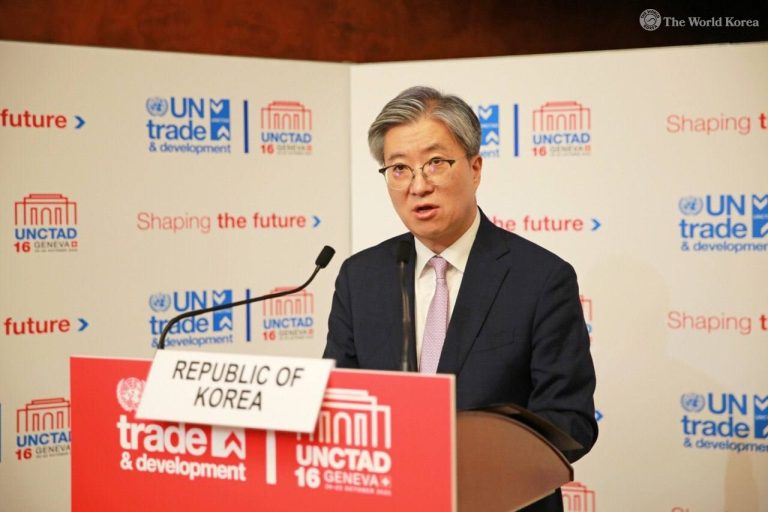
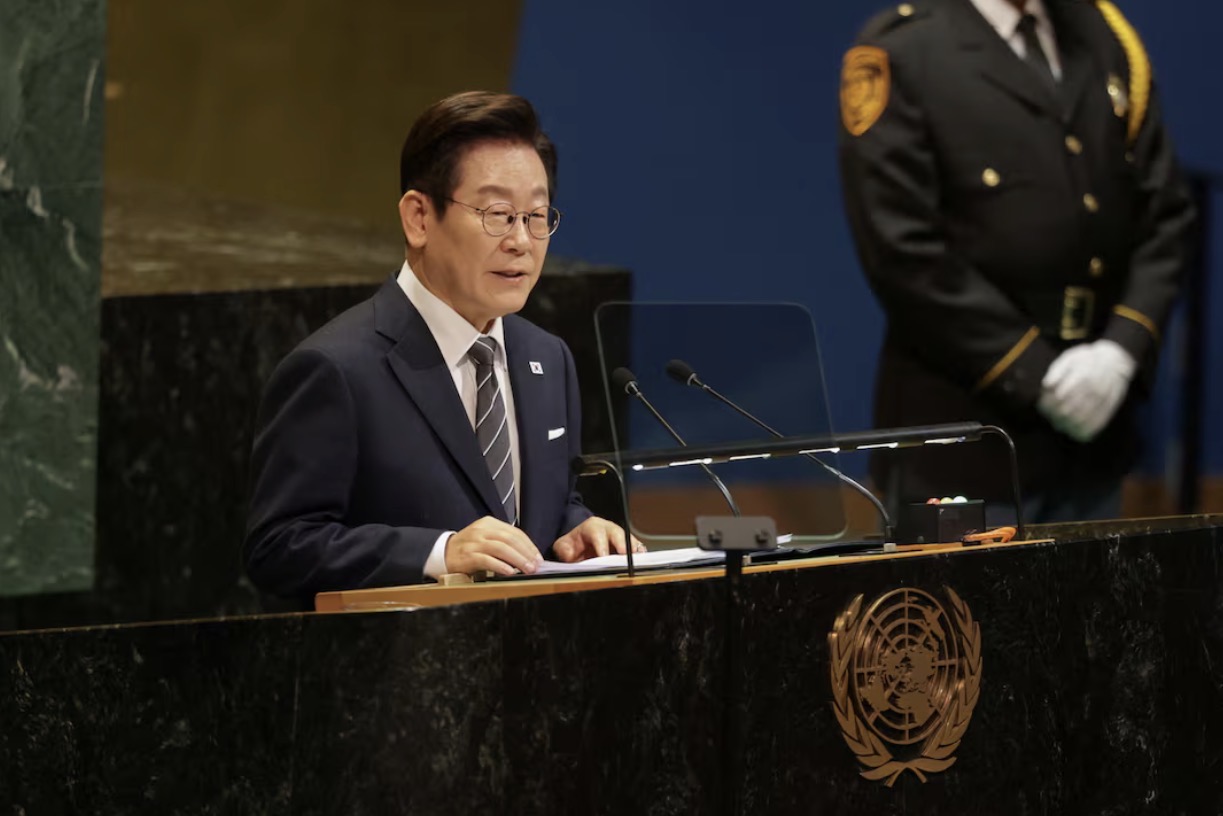
One way this policy is implemented is through South Korea’s increased participation in international organization such as the United Nations and other global forums. South Korea is also active in peacekeeping missions, humanitarian aid, and development diplomacy. These steps reflect efforts to demonstrates that South Korea is a responsible global actor and makes significant contributions to the international community.
From an ontological security perspective, South Korea’s global policy can be understood as a response to two primary anxieties: shame and discontinuity. Shame arises when South Korea feels its achievements have not been fully recognized by the international community. Meanwhile, inconsistency arises when there is a mismatch between the identity it seeks to build as a developed nation and the role it plays globally. By increasing its international engagement, South Korea seeks to reconcile its desired identity with its current reality.
However, these efforts are not without challenges. South Korea must operate in an international system dominated by major powers like the United States and China, which wield greater influence in shaping the global agenda. Furthermore, expectations of South Korea’s role are also increasing, requiring the country to be consistent in its foreign policy. Inconsistency can actually reinforce the very identity insecurities it seeks to address.
In my opinion, the Global Korea policy is an effective strategy for enhancing South Korea’s image and influence in the world. This approach demonstrates that in the era of globalization, a nation’s strength is determined not only by its military or economic capabilities, but also by its ability to build an international identity and reputation. However, the success of this strategy depends heavily on policy consistency and South Korea’s ability to navigate relationships with major powers.
Thus, the Global Korea policy reflects South Korea’s efforts not only to expand its global influence but also to address the identity insecurity it faces. Through increased participation in international forums such as the United Nations and contributions to various global issues, South Korea seeks to build an image as a responsible and relevant actor in the international system. This demonstrates that foreign policy is not solely driven by material interests, but also by the need for recognition and legitimacy.
Furthermore, this approach demonstrates that identity plays a crucial role in shaping state behavior in the era of globalization. South Korea seeks not only to enhance its capacity but also to ensure that this capacity is recognized by other actors. Thus, the Global Korea policy can be understood as a strategy that simultaneously combines material interests and existential needs.
However, the success of this strategy depends heavily on South Korea’s consistency and credibility in carrying out its role at the global level. Without sustained commitment, efforts to gain international recognition can actually reinforce the identity insecurity it seeks to address. Therefore, South Korea needs to continue to maintain a balance between global ambitions and the realities of international politics to further strengthen its position as a global actor in the future.
Writer: Meylani Ahmad – 202410360110156
References
Pardo, R. P. (2023). South Korea’s grand strategy: Making its own destiny. Columbia University Press.
Snyder, S. A. (2018). South Korea at the crossroads: Autonomy and alliance in an era of rival powers. Columbia University Press.
Chun, J. (2022). Who decides foreign policy? The role of national trauma in shaping the influence of public opinion in South Korea. Policy Studies, 43(5), 1021-1035.