
Image source: Fair Observer
Introduction
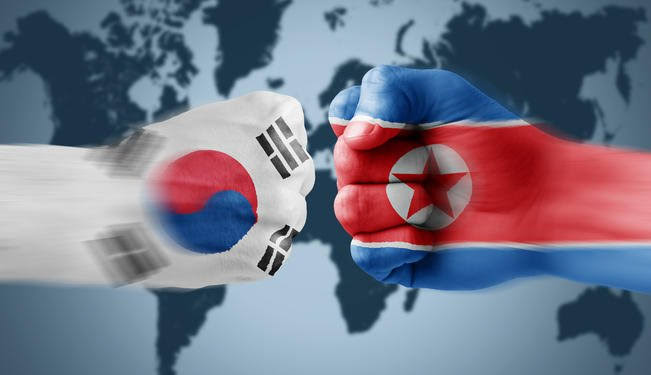
South Korea’s security situation is a major issue in East Asian international relations. Although the Republic of Korea (ROK) has become an important economic and technological power, it continues to face a serious military threat from North Korea, officially the Democratic People’s Republic of Korea (DPRK). North Korea’s nuclear weapons and missile programs make this problem dangerous because conflict on the Korean Peninsula could affect millions of people and destabilize the wider Indo-Pacific region. South Korea relies on its alliance with the United States while trying to avoid escalation. This essay argues that the alliance is essential for deterrence, but it should be combined with diplomacy, crisis communication, and regional cooperation.
Why the Issue Matters
The Korean War ended in an armistice in 1953, not a peace treaty. The two Koreas therefore remain separated by a heavily militarized border, where tensions can quickly become an international security concern. North Korea has continued to develop nuclear weapons and ballistic missiles, increasing the threat to South Korea and U.S. forces in the region (Manyin et al., 2026). A military exercise, missile launch, misinterpreted signal, or local clash could trigger retaliation and escalate beyond what either side intended.
This issue matters for three reasons. First, South Korea’s population and economic infrastructure are vulnerable to conflict. Second, the United States has treaty commitments to South Korea, meaning a crisis could involve a major global power. Third, the situation affects regional relations, particularly among Japan and China. Conflict could disrupt trade, supply chains, and regional stability. The Korean Peninsula is therefore not simply a local dispute; it is a central concern for international security.
International Relations Analysis: Realism and Deterrence
Realism is useful for understanding South Korea’s security policy. Realists argue that the international system lacks a central authority able to guarantee every state’s survival. States therefore focus on military capabilities, threats, and alliances. From this perspective, South Korea’s partnership with the United States is a rational response to North Korea’s nuclear arsenal. The Mutual Defense Treaty, which entered into force in 1954, formalized the two countries’ commitment to help defend one another. The United States also maintains forces in South Korea and provides extended deterrence, often described as a nuclear umbrella (Congressional Research Service, 2026).
Deterrence means discouraging an opponent from acting by convincing it that the costs would outweigh the benefits. Joint exercises, defensive capabilities, and clear alliance commitments can demonstrate that an attack would face a serious response. The Washington Declaration of 2023 and the Nuclear Consultative Group were intended to improve coordination on nuclear deterrence and strategic planning (U.S. Department of State, 2025). Such arrangements can reassure South Korea that it would not face a major threat alone.
However, deterrence can also produce insecurity. North Korea may interpret U.S.–South Korean military exercises as preparation for an attack and expand its weapons programs to protect its regime. South Korea and the United States may then see those programs as reasons to strengthen their military posture. This resembles the security dilemma: actions taken by one side to increase its security can make the other side feel less secure, creating a cycle of mistrust and military competition.
My Opinion: Deterrence Must Be Paired with Diplomacy
In my opinion, South Korea should maintain a strong alliance with the United States, but military deterrence alone cannot provide a lasting solution. A credible defense can discourage North Korea from believing it can use force without consequences. Yet if every action is met only with more weapons and pressure, tensions may become harder to control. The goal should be to deter aggression without making communication impossible.
First, South Korea and the United States should maintain clear defensive coordination and reliable crisis communication channels. This does not mean abandoning military readiness; rather, readiness and communication should support one another. Clear signals can reduce the chance that exercises or military movements are misunderstood.
Second, South Korea should preserve opportunities for diplomacy with North Korea. Dialogue may not immediately end its nuclear program, and negotiations should not depend on unrealistic expectations. Nevertheless, talks about military incidents, humanitarian assistance, or risk reduction could create limited areas of cooperation. Even when political relations are poor, communication can help prevent accidents from becoming major confrontations.
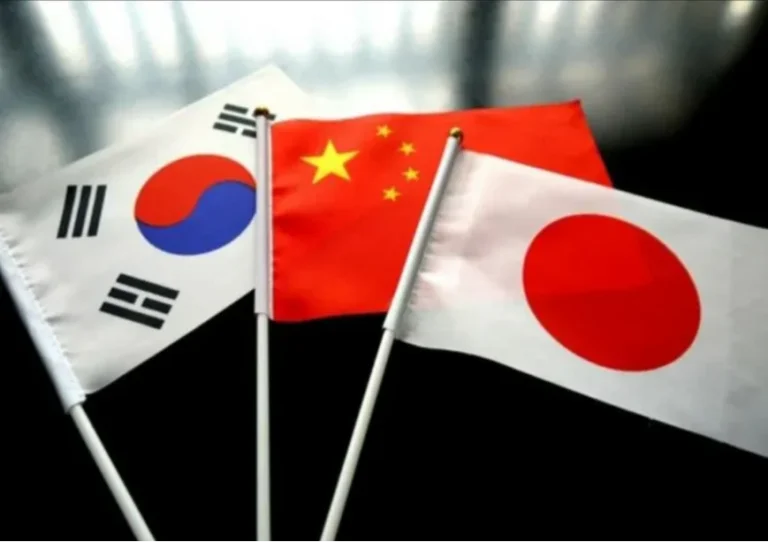
Third, South Korea should strengthen practical cooperation with Japan and other regional partners, particularly on early warning, maritime safety, and crisis response. However, cooperation should not appear to be an attempt to isolate another state. South Korea also needs to consider its economic relationship with China and avoid unnecessary regional polarization. A balanced approach would protect South Korea’s security while recognizing that stability depends on several countries’ decisions.
Challenges and Policy Recommendations
This approach has limits. North Korea may reject dialogue, and political divisions in South Korea can lead to policy changes between administrations. U.S. priorities may not always match South Korea’s immediate concerns. Stronger military cooperation can reassure allies while increasing North Korea’s suspicion. No single policy can guarantee peace.
South Korea should therefore pursue three connected goals: maintain credible deterrence, keep communication channels open, and support practical regional cooperation. It should coordinate closely with the United States on extended deterrence while ensuring that South Korean decision-makers have a meaningful role in consultations. This can strengthen public confidence in the alliance and reduce pressure for an independent nuclear arsenal, which could further complicate regional security. Extended deterrence is important both for discouraging North Korean aggression and for reducing incentives for nuclear proliferation (Cha et al., 2026).
Conclusion
South Korea’s security dilemma illustrates the difficult choices states face when threats are real but intentions remain uncertain. The U.S. alliance provides an important foundation for deterring North Korea, and realism explains why South Korea values military capability and reliable partners. However, the security dilemma shows that defensive actions can deepen an opponent’s fear and encourage further arms development. South Korea should not choose between deterrence and diplomacy. It needs both: strong defense to discourage aggression and sustained communication to manage risks and explore limited cooperation. This combination cannot guarantee peace, but it offers a more responsible path toward stability on the Korean Peninsula.
Writer: Nanda Asysyifa Farah Diba – 202510360110025
References
Cha, V., Choi, K., & Katz, K. F. (2026, February 26). The United States–Republic of Korea alliance: Strengthening extended nuclear deterrence in a shifting strategic landscape. Center for Strategic and International Studies. https://www.csis.org/analysis/united-states-republic-korea-alliance-strengthening-extended-nuclear-deterrence-shifting
Congressional Research Service. (2026, March 16). U.S.-South Korea alliance: Background and issues for Congress (R48877). EveryCRSReport.com. https://www.everycrsreport.com/reports/R48877.html
Manyin, M. E., Chanlett-Avery, E., Nikitin, M. B. D., Rinehart, I. E., & Williams, B. R. (2026, September 17). South Korea: Background and U.S. relations. Congressional Research Service. https://www.legistorm.com/reports/view/crs/671221/South_Korea_Background_and_U_S_Relations.html
U.S. Department of State. (2025, January 10). The United States of America–Republic of Korea Nuclear Consultative Group (NCG). https://2021-2025.state.gov/office-of-the-spokesperson/releases/2025/01/the-united-states-of-america-republic-of-korea-nuclear-consultative-group-ncg