
Image source: Philip Lange – Shutterstock
A long-standing system of ethical thought from China shaped social order, moral conduct, and patterns of interaction across East Asia. These ideas became firmly established on the Korean Peninsula during the Joseon dynasty, when the state adopted them as the basis for governance, education, and social organization. Core principles such as hierarchy, filial responsibility, and social harmony structured relationships within families and wider society. Over time, these norms extended beyond formal institutions and became embedded in daily practices, including language use, etiquette, and expectations of behavior. In South Korea today, these influences remain visible despite rapid industrialization and global integration. This continuity reflects an active process of reinterpretation rather than simple inheritance, where external values were reshaped into a distinct Korean social framework.
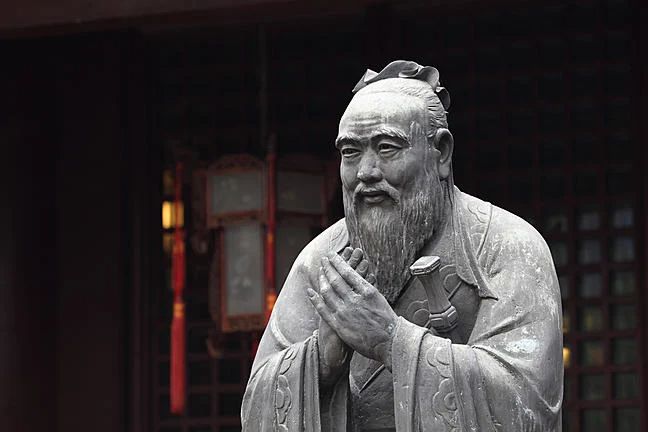
During the Joseon period, Confucian principles became the foundation of political authority and social structure. The state reorganized institutions around these ideas and promoted them through education and governance. The civil service examination system required mastery of Confucian texts, linking knowledge to both moral character and access to power. This system produced a scholar-official elite known as yangban, who dominated political and social life. Social mobility depended heavily on educational achievement, reinforcing the belief that learning determined both status and legitimacy. Through these mechanisms, Confucianism functioned as a deliberate framework used to stabilize governance and structure society.
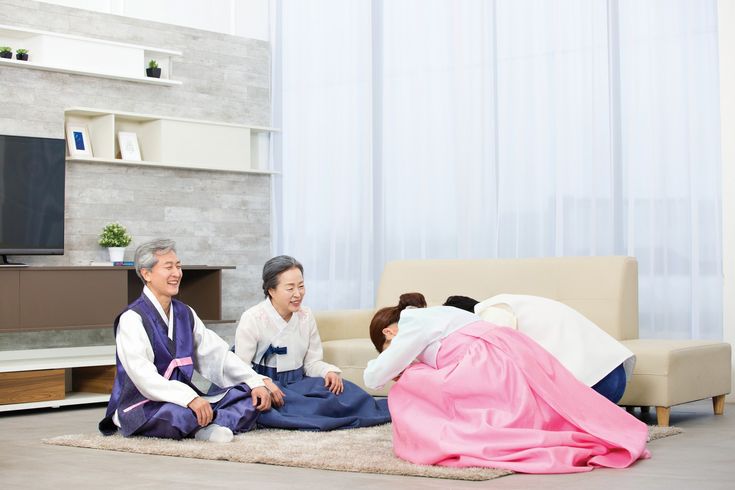
Image source: Shutterstock
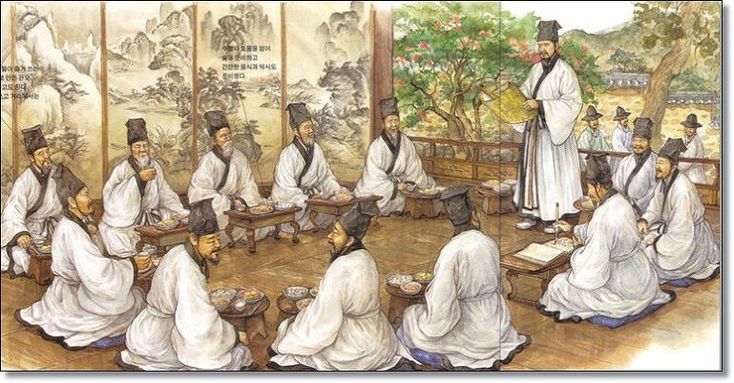
Image source: Chosun News Press
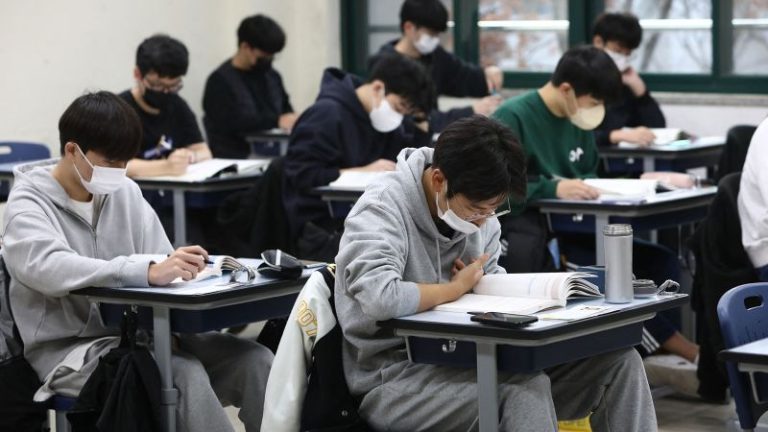
These values did not remain confined to formal institutions. Over time, they were integrated into everyday practices and adapted to changing social conditions. Norms such as respect for elders, awareness of hierarchy, and the use of honorific language became central to daily interaction. Age and social position shape communication patterns, workplace dynamics, and family relationships. Education remains a clear example of this adaptation. Academic achievement continues to function as a key indicator of social value. In contemporary South Korea, this has developed into a highly competitive system where students face significant academic pressure. Research shows high levels of stress among adolescents, affecting mental health and daily well-being.
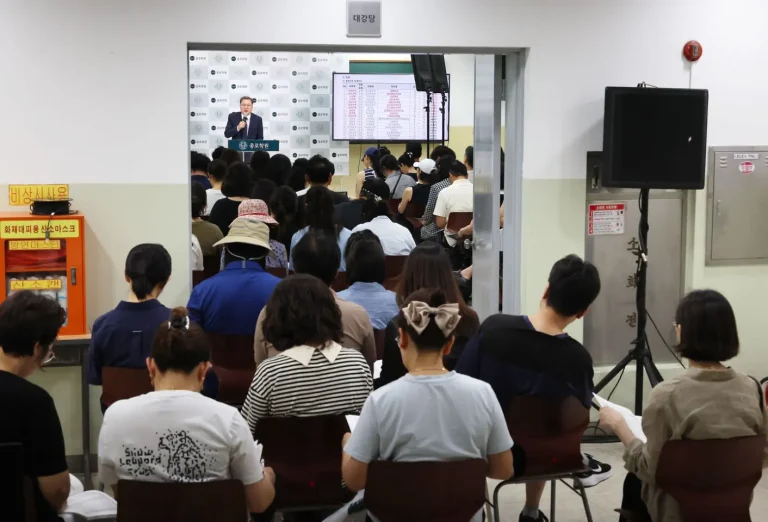
Hierarchy remains a defining feature of this system. Confucian thought organizes society through structured relationships, where each individual occupies a specific role with defined responsibilities. This structure promotes order and predictability in social interactions. In modern contexts, hierarchy continues to influence workplace culture, decision-making processes, and interpersonal behavior. Seniority often determines authority, and younger individuals are expected to show deference to those in higher positions. While this system supports stability and respect, it can also limit open communication and reduce flexibility in social and professional environments.
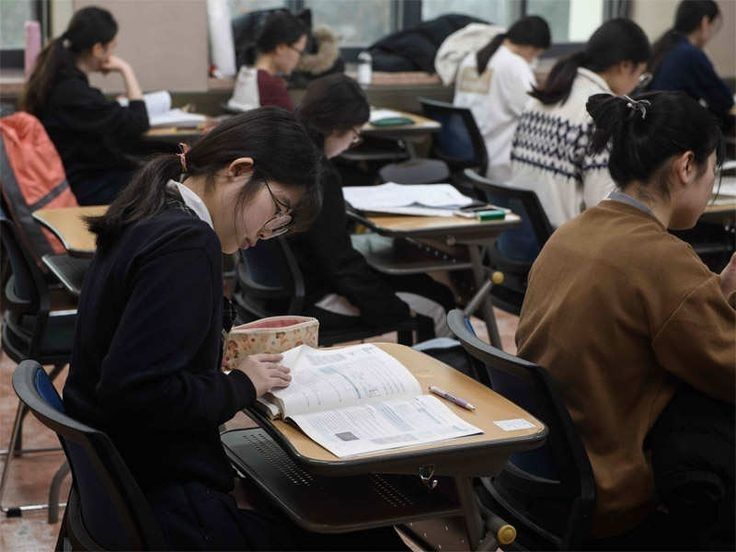
Image source: Yonhap News
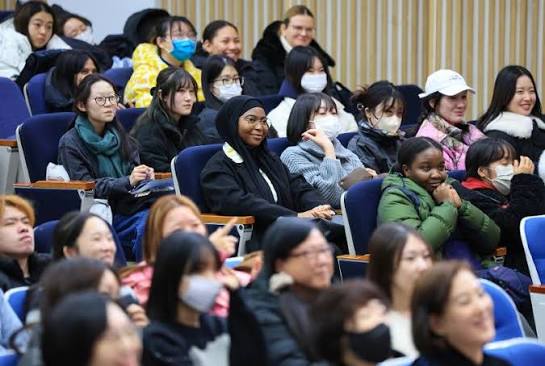
The influence of these values also extends to gender roles and social expectations. Historical norms placed men in dominant public roles while assigning women to domestic responsibilities. Although contemporary South Korea has undergone significant social and economic transformation, elements of this structure remain visible. Women have increased access to education and employment, yet disparities persist in leadership positions and workplace dynamics. This indicates that traditional frameworks continue to shape modern outcomes, even as society moves toward greater equality.
In this context, Confucianism presents both advantages and limitations. On one side, it supports social harmony, reinforces respect, and creates clear expectations in relationships. These elements contribute to stability and collective responsibility. On the other side, its emphasis on hierarchy and fixed social roles can create pressure and restrict individual autonomy. In a modern society that increasingly values equality and quality of life, these rigid structures do not always align with changing expectations. This tension highlights an ongoing negotiation between tradition and modernity within Korean society.
Confucianism remains a central element in the formation of Korean identity. Its influence extends beyond historical institutions into contemporary social practices, shaping how individuals interact, work, and define their roles. South Korea reflects a continuous process of adopting and adapting these values. The result is a dynamic system where inherited principles are preserved, adjusted, and reinterpreted to fit modern conditions. This process also suggests that cultural identity is not fixed, but continuously shaped by historical experience and present needs. The persistence of Confucian values in a modern context shows how tradition can remain influential while undergoing gradual change, allowing society to maintain continuity while responding to new social realities.
Writer: Azzalia Hafiza – 202410360110110
Reference:
Bradfield, C. (2025, May 21). South Korea and education: Pressures of the youth. STAND. https://stand.ie/stand-newsroom/south-korea-and-education-pressures-youth
Cawley, K. N. (2021, November 24). Korean Confucianism. Stanford Encyclopedia of Philosophy. https://plato.stanford.edu/entries/korean-confucianism/
Hamzah, N. A., & Tan, S. K. (2024). Kesan sejarah dan pemikiran Konfusianisme Dinasti Choson terhadap nilai dan norma kontemporari Korea Selatan. WILAYAH: The International Journal of East Asian Studies, 13(1), 171–188. https://doi.org/10.22452/IJEAS.vol13no1.10
Park, S.-H., & Kim, Y. (2018). Ways of coping with excessive academic stress among Korean adolescents during leisure time. International Journal of Qualitative Studies on Health and Well-Being, 13, 1505397. https://doi.org/10.1080/17482631.2018.1505397
Susanto, M. R. C. (2024, July 31). Menyatu dengan budaya Korea: Antara etiket, norma sosial, dan festival tradisional. Universitas Siber Asia. https://unsia.ac.id/menyatu-dengan-budaya-korea-antara-etiket-norma-sosial-dan-festival-tradisional/
The Wise Apple. (2025, September 30). Confucianism. National Geographic Education. https://education.nationalgeographic.org/resource/confucianism/