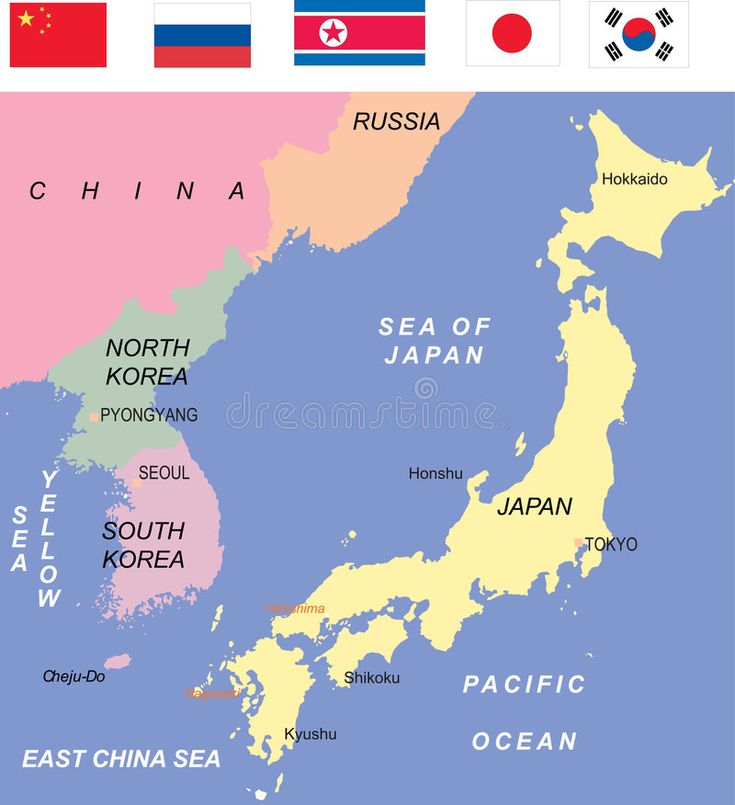

South Korea is currently known as one of the countries with the fastest economic development in the world. However, this success did not happen instantly. The country had previously experienced massive destruction due to the Korean War, which took place from 1950 to 1953. The war not only sparked military conflict but also devastated the social and economic conditions on the Korean Peninsula. After the war ended, South Korea had to face significant challenges in restoring national stability and rebuilding its shattered economy.
The impact of the war on South Korea was immense. The conflict caused severe economic and social damage, making it difficult for the country to recover in the post-war period. The extremely weak economic condition forced South Korea to seek various sources of foreign aid in order to survive and rebuild the nation. During that time, South Korea even had to incur debt from various countries. One important form of assistance it received was soft loans from West Germany, which later became one of the supporting factors in the country’s economic recovery process.
In addition to economic damage, the war also resulted in a massive loss of life. Millions of people died as a result of the conflict, and most areas of the Korean Peninsula were devastated, requiring a long time to recover. According to Ramadhani (2022), the losses inflicted by this war were enormous for all parties involved. On the United States side, approximately 33,741 soldiers were killed in action, 2,827 died in circumstances related to the war, and 103,284 were wounded. Meanwhile, on the South Korean side, around 59,000 soldiers were killed and approximately 290,000 were wounded. Civilian casualties reached nearly three million. On the other hand, casualties from North Korea and the People’s Republic of China are estimated to have reached around 500,000 killed and one million wounded. Besides the loss of life, infrastructure damage was also extremely severe. Many villages disappeared, parts of Seoul were leveled, and various infrastructures such as railway lines, communication systems, hydroelectric power plants, civilian buildings, factories, farms, and rice paddies sustained enormous damage.
Despite facing extremely difficult conditions, South Korea slowly managed to rise from its ruin. According to data from the World Bank, South Korea was once one of the poorest countries in the world in the 1960s. However, within a few decades, the country was able to develop rapidly, becoming one of the world’s major economic powers. By 2014, South Korea was even recorded as the 13th largest economy in the world. According to Choirul Tanjung, this development was inseparable from a shift in government policy focus, initially based on agriculture, then transitioning to the industrial and technology sectors (Zamzami, 2021).
In this development process, innovation and technology became one of the main keys to South Korea’s success in developing its industry and economy. The South Korean government implemented various policies focused on improving the quality of human resources. One of these was ensuring that the workforce received a good education and possessed a high work ethic. This policy was crucial because technological development and innovation require a skilled and productive workforce. With the support of quality human resources, South Korea was able to produce various industrial products that were highly competitive in the international market.
In addition to strengthening the education and technology sectors, the government also encouraged the growth of large companies capable of becoming the engine of the national economy. In this context, the large conglomerates known as chaebols played a significant role in the development of South Korean industry. During the government of Park Chung-hee, the government actively encouraged chaebols to produce various goods that could be exported to the international market. Government support for chaebols was implemented through various economic policies aimed at increasing industrial production and expanding the country’s exports.
Several prominent families then became known as the controllers of chaebol companies that held great influence over the South Korean economy. For example, the Lee family leading Samsung, the Koo family leading LG, the Chey family leading SK Group, the Shin family leading Lotte Group, and the Chung family leading Hyundai (Puspandini, 2023). These companies played a major role in expanding South Korea’s industrial capacity and driving the country’s economic growth, enabling it to compete on a global level.
However, the dominance of chaebols in the South Korean economy has also sparked various controversies, particularly concerning the relationship between economic power and political authority. In several cases, the close ties between large corporations and political elites have led to various scandals that have become public scrutiny. One quite famous case occurred during the administration of Park Geun-hye. She was found guilty on several charges related to bribery and abuse of power. The court ruled that she had colluded with her close friend, Choi Soon-sil, to pressure several large companies such as Samsung and Lotte into making large donations to foundations managed by Choi. This case illustrates how the influence of large corporations can intersect with political power.
Overall, the development of chaebols has made a major contribution to the industrialization and economic growth of South Korea. Government support for these large corporations succeeded in boosting industrial production and exports, enabling South Korea to grow into one of the world’s economic powers. However, on the other hand, the dominance of chaebols also poses its own challenges for the democratic system, especially regarding transparency and the relationship between economic power and political authority.
Writer: Safra Zarwandah – 202410360110094
References:
BBC News Indonesia. (2018, April 6). Apa yang membuat mantan Presiden Korea Selatan Park Geun-hye dipenjara selama 24 tahun? BBC News. https://www.bbc.com/indonesia/dunia-43618151
Puspadini, M. (2023, Desember 27). Chaebol: Misteri & drama 5 keluarga cengkram ekonomi Korsel. CNBC Indonesia. https://www.cnbcindonesia.com/market/20231227150229-17-500614/chaebol-misteri-drama-5-keluarga-cengkram-ekonomi-korsel
Ramadhani, I. N. (2022, Maret 13). Perang Korea (1950-1953): Latar belakang, kronologi, dan akhir perang. Kompasiana. https://www.kompasiana.com/isna00137/622e2051bb44861c24604e42/perang-korea-1850-1953-latar-belakang-kronologi-dan-akhir-perang?page=all&page_images=1
Zamzami, F. W. (2021, Januari 13). Kunci kemajuan industri Korea Selatan. PinterPolitik. https://www.pinterpolitik.com/ruang-publik/kunci-kemajuan-industri-korea-selatan/