
Image source: Pinterest
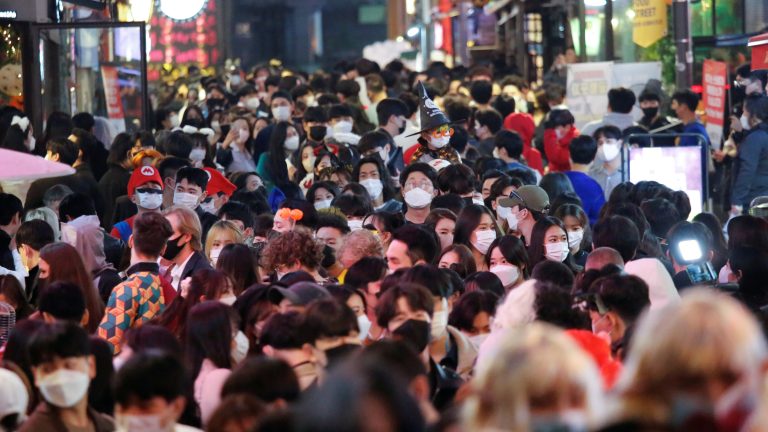
“Our ethnic homogeneity is a blessing,” a South Korean worker casually stated in a 2009 interview with The New York Times, reflecting a sentiment deeply embedded in the nation’s psyche (Shin, 2013). Historically, South Korea has constructed its national identity around the powerful concept of danil minjok, or ethnic homogeneity, where societal belonging is inherently tied to a shared bloodline and racial purity. For decades, this narrative fostered a highly cohesive society, producing a profound sense of cultural distinctiveness and pride. However, in the 21st century, the reality of South Korea’s demographic landscape has drastically shifted. The nation has effectively transformed into a multi-ethnic society, yet it struggles to become truly multi-cultural, as prejudice and discrimination against immigrants and mixed-race individuals remain prevalent (Shin, 2013). This friction reveals a critical dilemma: while deep-rooted ethnic nationalism continues to drive social exclusion, South Korea is urgently forced to engineer a multicultural society out of absolute demographic necessity—driven by the world’s lowest fertility rate and a rapidly shrinking native workforce.
South Korea is at a demographic crossroads. With the world’s lowest fertility rate, just 0.72 births per woman, and one of the most rapidly aging populations globally, the country will need to rely increasingly on immigration to address its quickly shrinking workforce (Migration Policy Institute, 2024). Korea’s journey to becoming an immigration country is a relatively new phenomenon. It has around 2.3 million foreign residents, or 4.4% of the country’s overall population. That immigrant population has grown rapidly, although from a very small base. In 1998, it was just 0.3%. By comparison, the average OECD, or developed country is 15% foreign born today. This rapid transformation has created complex policy challenges. Beyond the numbers, this demographic imperative has a tangible economic and social impact. The highly educated native population increasingly shuns “3D” (dirty, dangerous, and demeaning) jobs, creating a severe labor shortage in manufacturing and agriculture that is now filled by migrant workers from Southeast and Central Asia. Furthermore, rural areas face a critical shortage of marriageable women, prompting the state and private brokers to actively recruit foreign brides, known as marriage migrants. Thus, the influx of foreigners is not a product of liberal cosmopolitanism, but an absolute necessity for economic survival.
This sudden influx of migrants into a society historically proud of its pure bloodline inevitably sparked severe social friction. From an international relations perspective, South Korea’s multicultural turn can be analyzed through the lens of ‘stigma management’ and state identity. In 2007, the United Nations Committee on the Elimination of Racial Discrimination (CERD) issued a landmark report criticizing South Korea’s emphasis on ethnic homogeneity, stating that it fostered discrimination and xenophobia. The UN explicitly urged the government to overcome the notion of ‘pure blood.’ For a nation striving to project itself as a modern, democratic, and advanced global power, this international reprimand was a significant blow to its soft power and diplomatic prestige (Watson, 2010). In response to this international stigma, the South Korean government hastily launched state-led, top-down multicultural policies. The transition was engineered from above to restore the nation’s international legitimacy, using multiculturalism as a diplomatic tool to signal compliance with global human rights norms, rather than stemming from a grassroots civil rights movement.
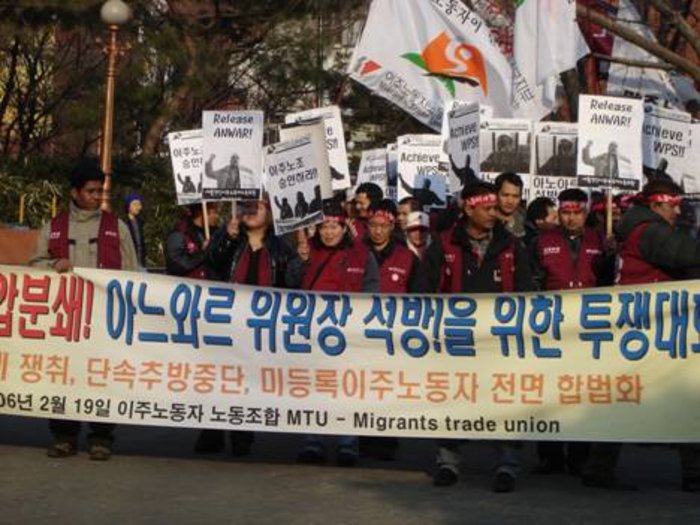
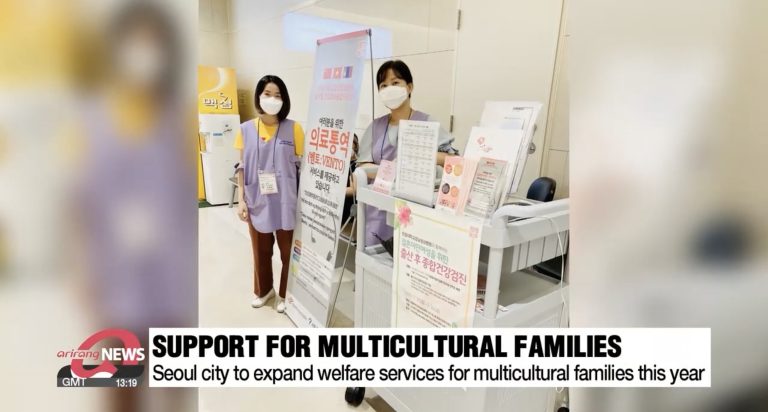
However, this top-down approach has fundamental limitations, leading to profound challenges in social integration. Because the policy is primarily a stigma management strategy and an economic fix, it treats immigrants with a utilitarian mindset. Migrants are often viewed merely as demographic tools to boost the workforce and rural birth rates rather than as equal members of a diverse society. In my opinion, this has led to a policy of assimilation rather than true integration (Yoon, 2015). The government expects migrants to quickly adopt Korean culture, while doing little to educate the native population on intercultural understanding. Consequently, systemic discrimination persists. Migrant workers frequently face exploitation and abuse in the workplace, and biracial children often endure bullying and social exclusion. Hate speech against immigrants highlights the stark contrast between the government’s official multicultural narrative and the ethnocentric reality on the ground.
In conclusion, South Korea’s ongoing transition from a society of ethnic homogeneity to one of demographic necessity illustrates a complex interplay between domestic survival and international relations. Driven by an unprecedented demographic crisis and the need to protect its international reputation from the stigma of racism, the state has forcefully attempted to engineer a multicultural society. Yet, policies dictated from the top are insufficient to erase decades of deeply ingrained ethnic nationalism. For South Korea to successfully navigate this transition and thrive as a multicultural hub, it must move beyond viewing immigrants as mere economic utilities. The nation must invest heavily in genuine intercultural education, fostering an environment where diversity is not just a pragmatic necessity, but is organically respected at the grassroots level.
Writer: Zulkarnaen Tri Aji Jaya – 202510360110021
References
Migration Policy Institute. (2024). The Role of Immigration as South Korea Navigates Demographic Decline.
Shin, G. W. (2013). Racist South Korea? Diverse but not tolerant of diversity. In R. Safer & A. Cornell (Eds.), Race and Racism in Modern East Asia: Western and Eastern Constructions. Brill.
Watson, I. (2010). Multiculturalism in South Korea: A Critical Assessment. Journal of Contemporary Asia.
Yoon, I. J. (2015). Social Integration of Immigrants and Multiculturalism in Korea. Seoul National University Asia Center.