
Image source: Yonhap News
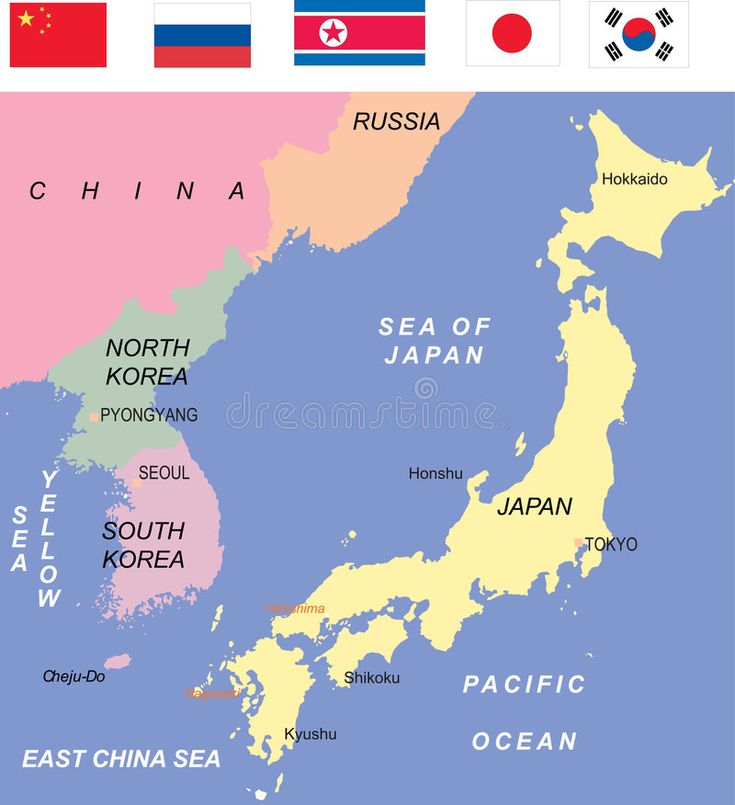
Since the late 20th century, the Republic of Korea has experienced a significant transformation, evolving from a nation focused on internal survival into one of the wolrd’s leading nations. This transformation is best understood through the lens of its foreign policy evolution, which shifted from Segyehwa (globalization) in the 1990s to the contemporary Global Pivotal State in 2022 and has continued since (Pradana, 2026). As I see it, this is important because it demonstrates how a middle power seeks to improve its role and recognition in the international system. This essay argues that South Korea’s foreign policy evolution is not only driven by material interests such as security and economic growth, but also by the need to maintain identity and recognition as explained by the concept of ontological security.
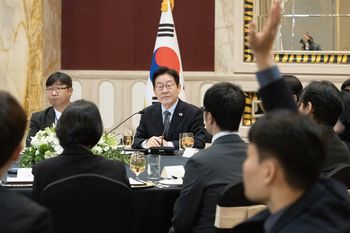
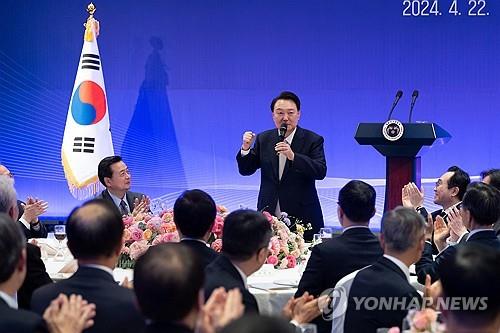
The evolution of South Korea’s foreign policy can be understood through three main phases. First, the Segyehwa policy in the 1990s focused on globalization and economic integration. President Kim Young Sam introduced it, aimed to take advantage of and benefit from globalization, especially to rebuild its international image and expand trade. Soft power and cultural diplomacy became important tools in shaping its identity (Yanti, 2015). Second, the Global Korea strategy (2008-2022) introduced by President Lee Myung Bak marked a shift toward a more active global role. South Korea increased its participation in international forums like the G20 and G7, while also expanding its contribution to development assistance and global governance (CFR, 2013; Pardo, 2022). Lastly, under the Global Pivotal State (2022-present), which was introduced by President Yoon Suk Yeol, South Korea has positioned itself as a key strategic actor, particularly in the Indo-Pacific region, strengthening cooperation with allies like the United States and taking a more active role in global security issues (Pardo, 2022). Overall, this evolution shows a transition from a passive participant to a proactive and strategic global actor.
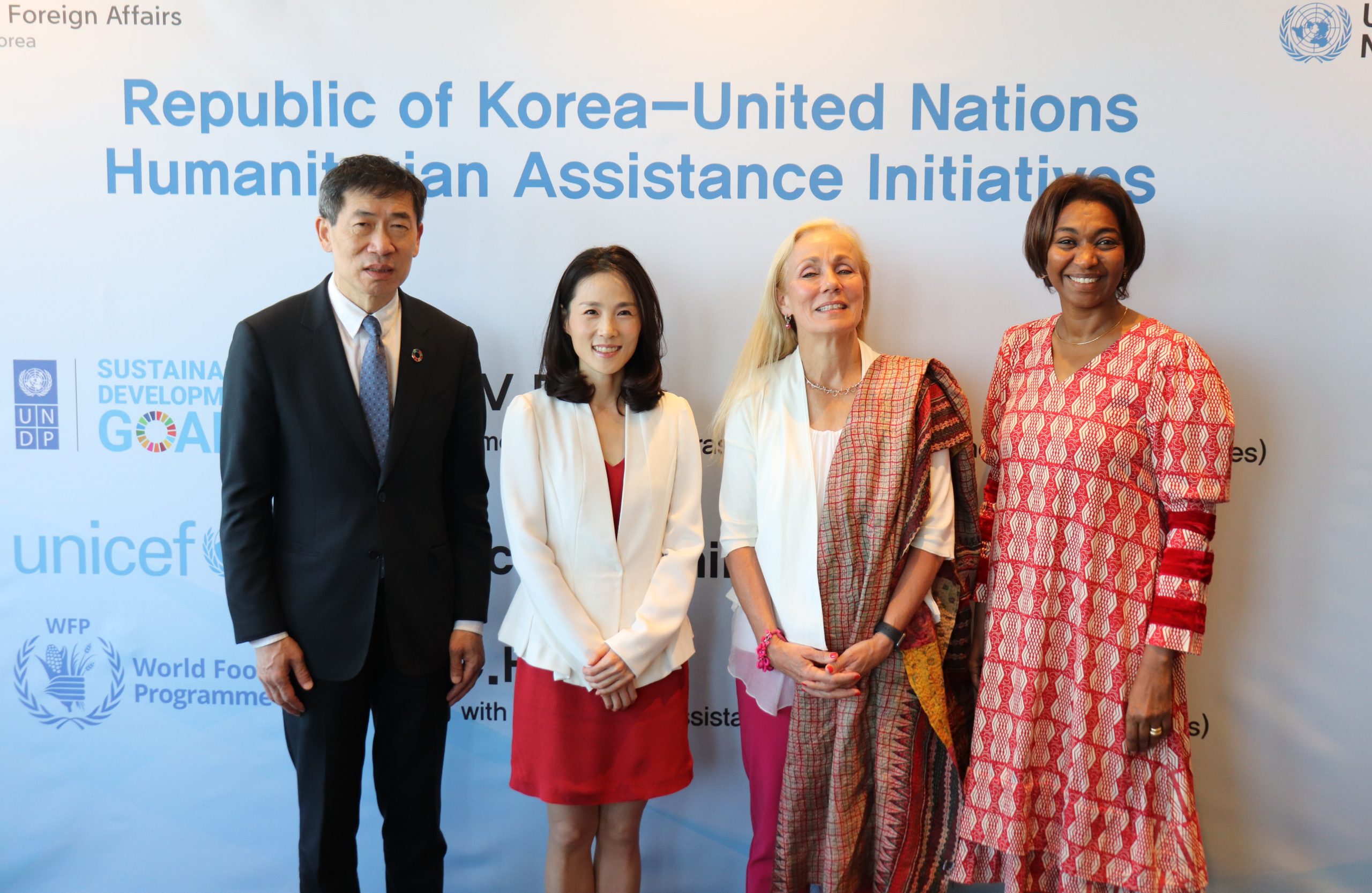
Image source: UNDP
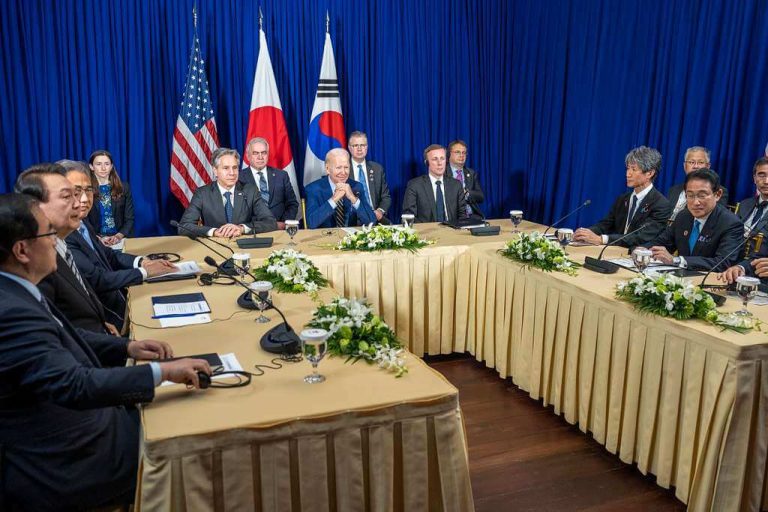
In my opinion, South Korea’s foreign policy has worked well in improving its position in the world, and the idea that it must choose between the United States and China is often overstated. In reality, South Korea’s actions show that it is closer to the United States and other similar countries, especially in security issues. The ROK–US alliance is very important because it helps South Korea become a “global pivotal state” by strengthening its diplomacy, economy, military, and soft power. At the same time, South Korea is also building partnerships with countries in the Indo-Pacific and Europe to support this goal (Pardo, 2022). However, South Korea still needs to be careful in managing its relationship with China and make sure its goals match its real abilities.
To better understand these policy shifts, it is useful to apply the concept of Ontological Security. While traditional realism might suggest these policies are pursued purely for national interest or power gain (Karpowicz, 2023), a deeper analysis reveals a drive for ontological security. Ontological security suggests that states seek not only physical survival but also a stable sense of identity (Mitzen, 2006), which is also defined as the need for a state to maintain a consistent self-identity to avoid existential shame or discontinuity (Pradana, 2026). Shame occurs when there is a gap between a state’s desired identity and how it is perceived by others. For South Korea, this includes its historical experiences as a colonized and divided nation, which contrasts with its ambition to be recognized as a leading global power. Discontinuity, on the other hand, refers to disruptions in a state’s identity narrative, such as historical trauma or ongoing security threats, including tensions with North Korea (Essen, 2020; History.com, 2025).
In conclusion, South Korea’s foreign policy evolution from Segyehwa to the Global Pivotal State framework illustrates a broader effort to secure not only its strategic interests but also its identity in the international system. The ROK–US alliance plays a crucial role in this process by enabling South Korea to project its capabilities and gain international recognition. This issue is important because it highlights the complex motivations behind state behavior, particularly for middle powers. By applying the concept of ontological security, it becomes clear that South Korea’s actions are driven by both material and non-material factors. Moving forward, South Korea is likely to continue strengthening its global engagement in order to maintain both its international position and its sense of identity.
Writer: Mudrika Sausan S Maruapey – 202410360110140
Reference
CFR. Global Governance and Middle Powers: South Korea’s Role in the G20. https://www.cfr.org/reports/global-governance-and-middle-powers-south-koreas-role-g20
Essen, H. V. (2020). A typology of ontological insecurity mechanisms: Russia’s military engagement in Syria. DiVa Portal. https://www.diva-portal.org/smash/get/diva2:1518025/FULLTEXT01.pdf
History.com. (2025). South Korea. https://www.history.com/articles/south-korea#HISTORY-OF-KOREA
Karpowicz, W. J. K. (2023). Political Realism in International Relations. Stanford Encyclopedia of Philosophy. https://plato.stanford.edu/entries/realism-intl-relations/
Mitzen, J. (2006). Ontological Security in World Politics: State Identity and the Security Dilemma. European Journal of International Relations, 12(3), 341-370. https://doi.org/10.1177/1354066106067346
Pardo, R. P. (2022). South Korea as a “global pivotal state”: the role of partners. BSoGhttps://www.brussels-school.be/sites/default/files/CSDS%20Policy%20brief_2207_0.pdf
Pradana, H. A. (2026). From Segyehwato Global Korea South Korea’s Endeavors in Addressing Ontological (In)security. PPT.
Yanti, R. P. (2015). THE ROLE OF SOUTH KOREA’S GOVERNMENT IN DEVELOPING AND SUSTAINING HALLYU. Jurnal UPNYK, 19(1), 33.