
Image source: archives.kdemo.or.kr
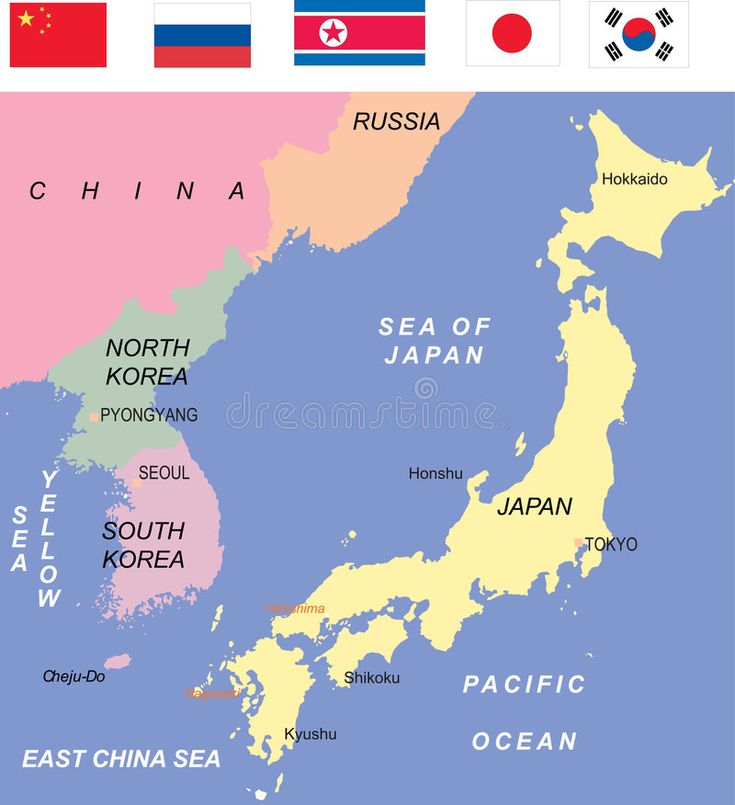
South Korea has undergone a major transformation from a country devastated by the Korean War to a global economic powerhouse. Since the 1960s, the government has implemented industrialization policies that have driven rapid economic growth (Seth, 2013). This development has not only improved people’s living standards but has also brought about social changes, such as the emergence of a more educated middle class and increasing demands for a more democratic political system. In international relations studies, South Korea’s development success is often understood through the concept of the developmental state, which emphasizes the government’s strong role in directing economic development and enabling the country to gain influence in today’s global economy (OECD, 2023).
In international relations and political economy studies, South Korea’s industrial success is often explained through the concept of the developmental state. This concept highlights the government’s crucial role in directing economic development through industrial policies, development planning, and support for strategic sectors. In the South Korean context, the state functions not only as a regulator but also as a key actor that drives industrial growth and export expansion (Gemici, 2013).
During the administration of Park Chung-hee, the government actively implemented economic policies that focused on industrialization and increasing competitiveness in international markets. The state provided various forms of support to the industrial sector and encouraged the development of national companies so that they could compete globally. Through this strategy, South Korea was able to accelerate economic growth and strengthen its industrial sector within a relatively short period of time.
South Korea’s industrialization strategy emphasized export-oriented growth and the expansion of the manufacturing sector. The government played an active role in designing policies that enabled industries to compete in global markets, particularly through support for key sectors and the promotion of international trade. These efforts significantly accelerated economic development and strengthened the country’s industrial capacity (Kim, 1997).
In addition, the state facilitated the growth of large national corporations as part of its broader industrial strategy. Through investment support, technological development, and policy incentives, these firms were able to expand and become competitive players in the global economy. This highlights how coordinated state intervention contributed to South Korea’s rapid economic advancement (Kim, 1997).
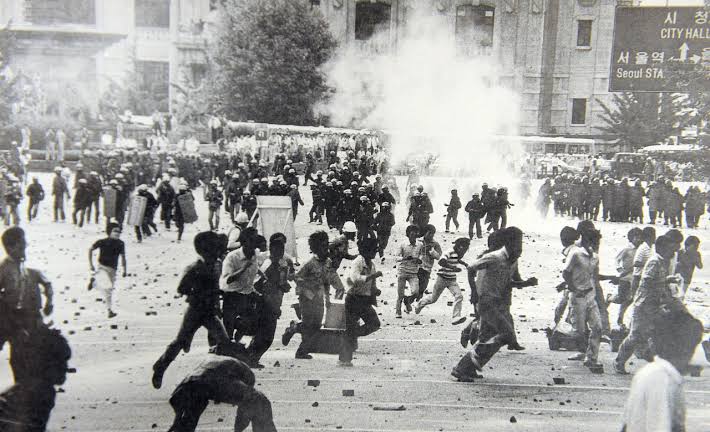
South Korea’s rapid economic development was also accompanied by changes in its political system. In 1987, a major popular movement known as the June Democratic Uprising occurred, in which students, workers, and various community groups organized demonstrations demanding political reform and direct presidential elections. This movement placed significant pressure on the government and eventually led to constitutional amendments and the establishment of a more democratic political system (Korea Democracy Archives, n.d.).
This event became an important turning point in South Korea’s democratization process. Increased education and the emergence of a middle class as a result of economic growth encouraged the public to demand broader political participation. This democratization process subsequently strengthened South Korea’s political stability and improved its image as one of the most successful democracies in East Asia. From an international relations perspective, the combination of economic development and democratic governance has also strengthened South Korea’s credibility and influence in the global arena. Countries that achieve economic success while maintaining democratic institutions are often perceived as more stable and reliable partners in international cooperation. As a result, South Korea has been able to expand its diplomatic engagement, participate actively in global economic institutions, and strengthen its role in regional and international cooperation.
Ultimately, the combination of successful industrialization and democratization enabled South Korea to strengthen its position at the global level. Today, South Korea is recognized as a developed country with strong capabilities in industry, technology, and innovation. Advances in science and technology have been crucial factors in the country’s economic transformation and have strengthened its role in the global economy. South Korea is also one of the most digitally advanced economies and plays an important role in various industries such as electronics, automotive, and information technology (OECD, 2023).
Therefore, South Korea’s experience demonstrates how economic development and political transformation can work together to increase a country’s influence in international relations. The country’s successful transition from a developing economy to a technologically advanced democracy provides an important example of how industrialization and democratization can serve as pathways to global influence.
Writer: Ayu Shinta Dewi – 202410360110088
Reference
Cumings, B. (2015). An unpromising recovery: South Korea’s post-Korean War economic development, 1953–1961. Association for Asian Studies.
Gemici, K. (2013). South Korea during the Park Chung-hee era.
Kim, L. (1997). Development of industrial policy in South Korea.
Korea Democracy Archives. (n.d.). June Democratic Uprising of 1987. https://archives.kdemo.or.kr/display/en/move610.html
OECD. (2023). A global powerhouse in science and technology. https://www.oecd.org/en/publications/korean-focus-areas_f91f3b75-en/a-global-powerhouse-in-science-and-technology_61cbd1ad-en.html