
Image source: Google
In international relations, a country does not always have to rely on military or economic power to gain influence at the global level. There is another approach that is more subtle yet remains effective, namely through soft power. Soft power is the ability of a party to direct another party to follow its wishes without using pressure or coercion. This influence arises due to a certain appeal that makes the other party voluntarily interested in cooperating or following the values offered. Soft power can be understood as the ability to mobilize cooperation from other parties through attraction, not through threats or payments (Nasution, 2023).
One way countries utilize soft power is through diplomatic relations. Diplomatic relations are a means for countries to communicate and cooperate with each other to fulfill their respective interests and needs. In practice, these relations can be influenced by various factors such as history, geographical location, government system, culture, and even religion. Among these various factors, culture is often a fairly effective instrument in building international relations. Therefore, culture then becomes an important part of diplomacy, especially in public diplomacy which aims to reach the international community more broadly.
In this context, soft power and cultural diplomacy have a very close relationship. Both function as tools to influence other countries without having to rely on military or economic power (Syahdilla et al., 2025). Through culture, a country can build a positive image while increasing the international community’s interest in its country. Besides strengthening relations between countries, cultural diplomacy also plays a role in introducing a nation’s identity and cultural wealth to the global community.
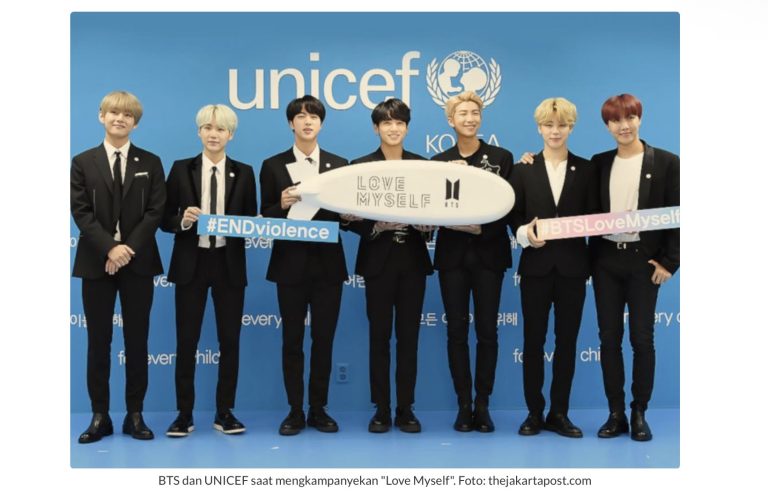
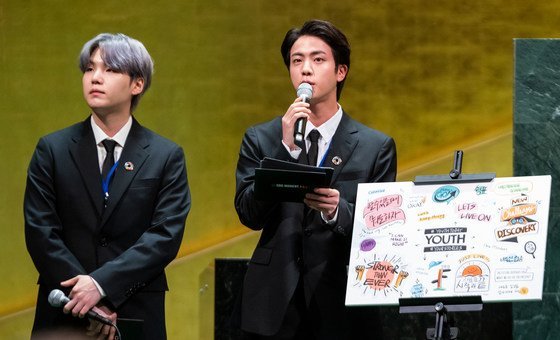
One country that has been quite successful in utilizing this strategy is South Korea (Syahdilla et al., 2025). In recent decades, South Korea has become widely known through the phenomenon of the Korean Wave or Hallyu, which is the spread of Korean popular culture to various countries through entertainment products such as music, films, television dramas, and various digital content. The South Korean entertainment industry continues to produce various works that are not only in demand by the domestic public but also receive significant attention from international audiences.
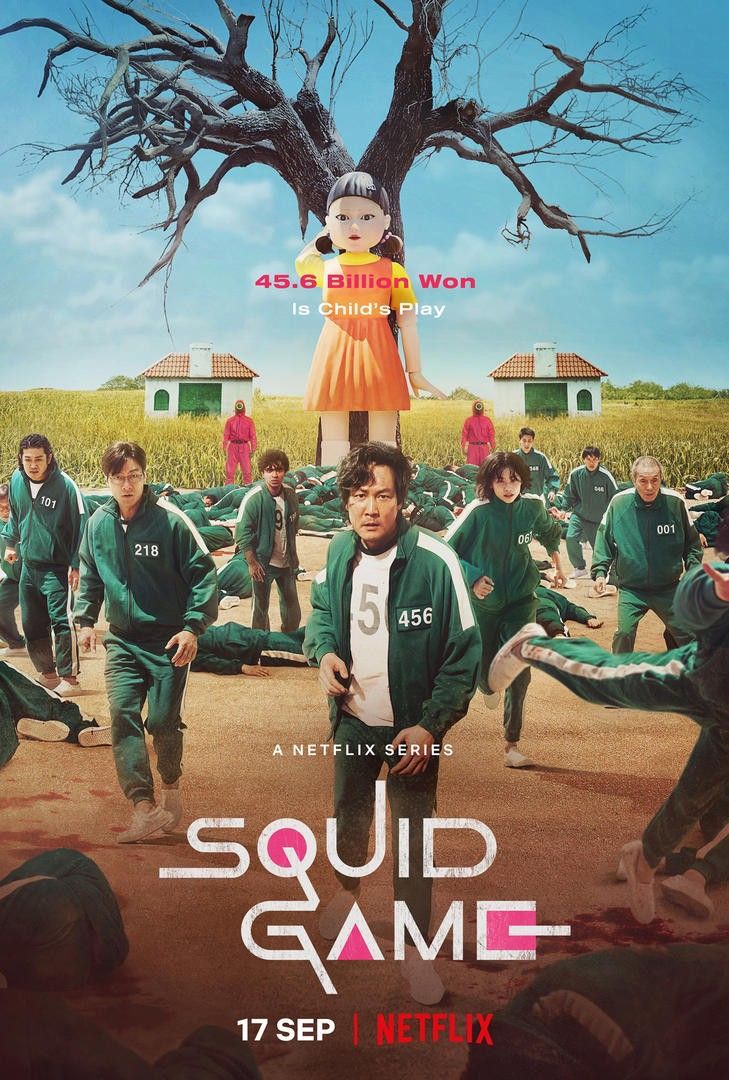
One example that demonstrates the strong influence of South Korean popular culture is the series Squid Game, released through the Netflix streaming platform. This series became a global phenomenon since its release. According to Databoks, the first season of Squid Game became the most-watched non-English Netflix series of all time with a total of 265.2 million views. Its second season has been viewed 192.6 million times, while according to FlixPatrol data, the third season even managed to rank first on Netflix in 93 countries just one day after its release. These figures indicate that this drama has a very wide audience reach in various parts of the world.
The success of Squid Game cannot be separated from how the series is packaged with an engaging storyline while touching on various social issues. The story depicts how the participants must survive through various games inspired by traditional Korean games. The suspenseful plot, the actors’ performances, and the subtly conveyed social messages make this drama able to capture the attention of viewers from various countries. Besides being entertainment, this series also indirectly introduces various elements of Korean culture to the global audience.
Various elements of Korean culture appear in the series, ranging from traditional games, typical foods, to the use of language and cultural symbols. Games like ddakji and the Korean version of red light, green light became known to many people after this series became popular. These games have even begun to be imitated and played by many people in various countries regardless of age or cultural background. Additionally, Korean specialties like Dalgona candy that appeared in this series also became popular and were widely tried by people in various countries.
The popularity of Squid Game has had a fairly broad impact on South Korea. Korean culture increasingly attracts the attention of the global community and encourages growing interest in the Korean language and culture. This success also helps strengthen South Korea’s image as a country with a creative and influential entertainment industry at the international level. Viewed from an international relations perspective, this phenomenon illustrates how popular culture can become an effective soft power instrument in shaping global perceptions of a country. When a country’s cultural products are widely accepted by the international community, that country’s influence can increase without needing to use military force or political pressure.
Other impacts are also evident from the increasing interest of the international community in South Korea more broadly. Many people become more interested in watching Korean dramas, listening to K-pop, and even learning about Korean culture. Not a few also want to visit Seoul or the locations used as filming sites for Korean dramas.
Overall, the Squid Game phenomenon shows that cultural diplomacy plays a fairly important role in international relations today. Through popular culture, a country can expand its influence without having to use military force or political pressure. Cultural diplomacy not only strengthens relations between countries but also serves as a means to introduce a nation’s identity and cultural wealth to the global community.
Writerr: Safra Zarwandah_202410360110094
References:
Muhamad, N. (2025, July 2). Squid Game 3 masuk daftar 10 serial Netflix terlaris global.
Katadata Databoks. https://databoks.katadata.co.id/datapublish/2025 /07/02|squid-game-3-masuk-daftar-10-serial-netflix-terlaris-global
Nasution, E. H. (2023). Implementasi Soft Power Rusia dalam Upaya Aneksasi Krimea Tahun 2013-2014 (Doctoral dissertation, Universitas Islam Indonesia).
Rahmatullah, M. H. F., Kasanusi, K., Triristina, N., & Iskandar, W. N. R. (2024). Pemahaman Budaya Korea Selatan melalui Fenomena K-Drama di Indonesia. AGRAPANA: Jurnal Ilmu Sosial dan Ilmu Politik, 1(1), 24-34.
Syahdilla, M., Akrom, U., & Wibison, D. R. (2025). ANALISIS KONTEN SERIAL SQUID GAME SEBAGAI ALAT SOFT POWER KOREA SELATAN DI PLATFORM NETFLIX. Jurnal Bincang Komunikasi, 3(2), 84-90.
Tempo. (2025). Squid Game 3 jadi nomor 1 Netflix global sehari setelah rilis. Tempo.co. https://www.tempo.co/teroka/squid-game-3-jadi-nomor-1-netflix-global-sehari-setelah-rilis