
Introduction
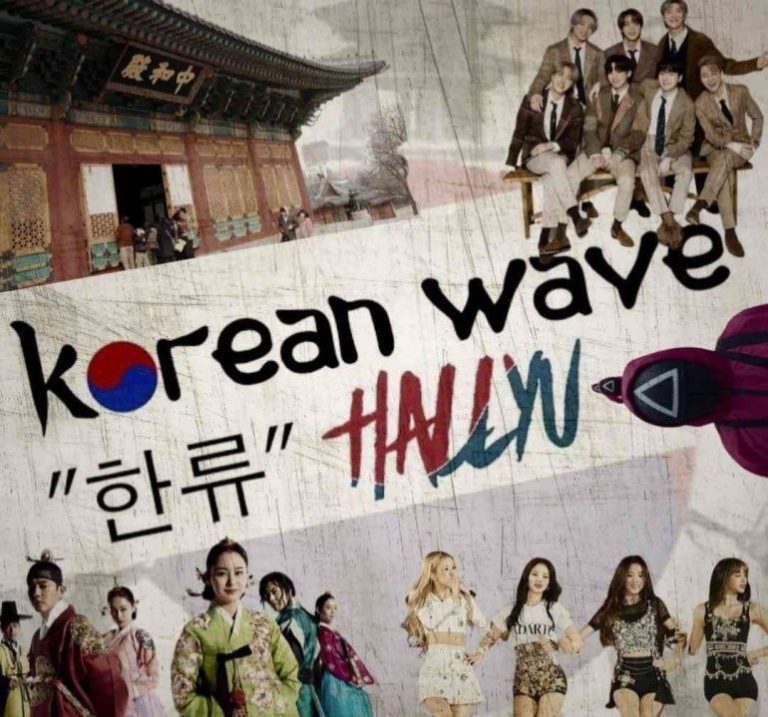
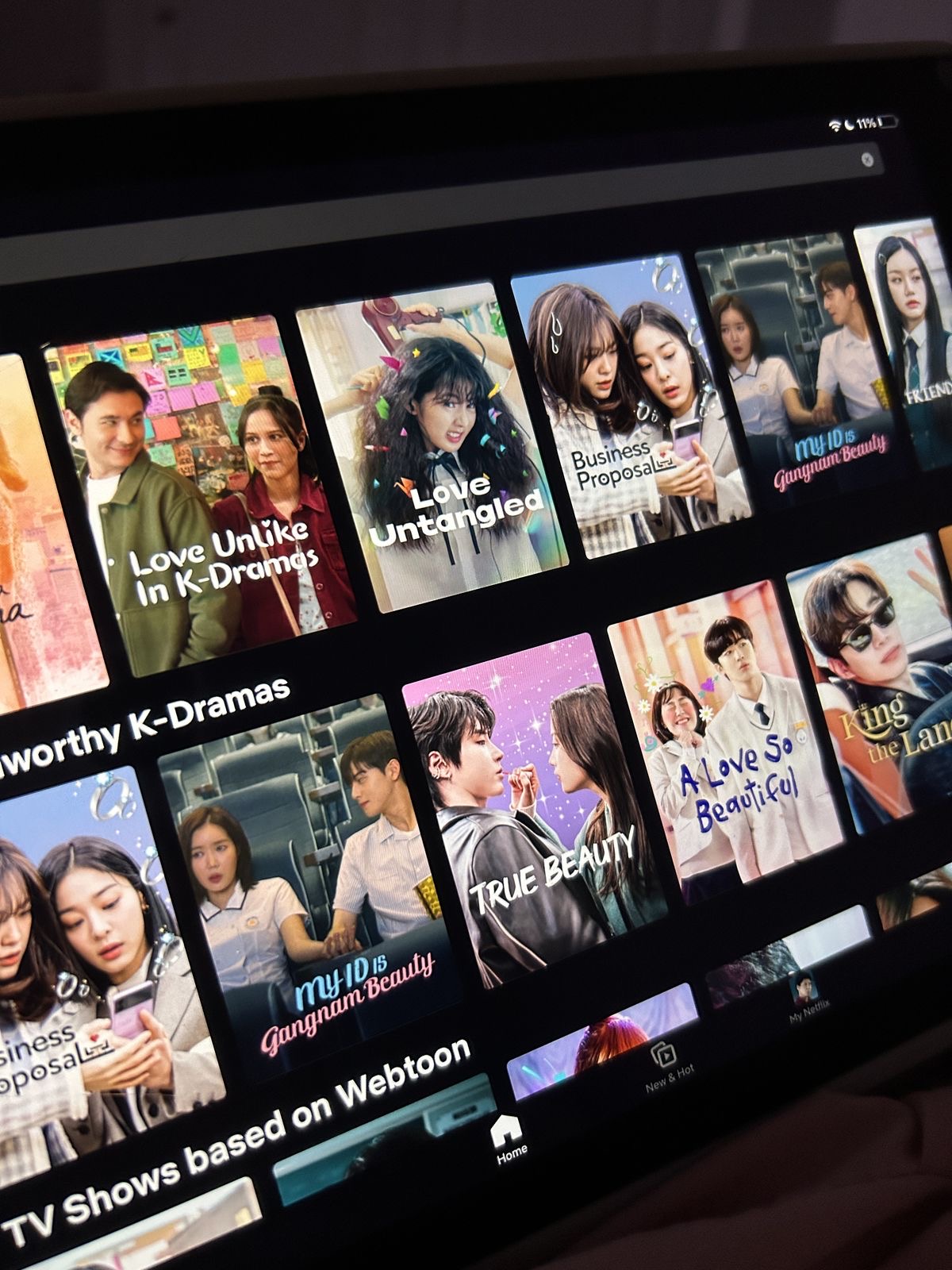
South Korea has become one of the most influential countries in the global cultural industry. Over the past two decades, South Korean popular culture, commonly known as the Korean Wave or Hallyu, has gained significant international attention. K-Pop, Korean dramas, films, fashion, and food have become popular in many countries. This phenomenon has helped South Korea build a positive international image and increase its global influence.
The development of South Korean popular culture is not only an entertainment phenomenon but also an important part of international relations. Culture can be used as an instrument to influence other countries without using military or economic pressure. This concept is known as soft power. In my opinion, South Korea is one of the best examples of how a country can use cultural influence to strengthen its international position.
The Development of South Korean Soft Power
The Korean Wave started gaining international recognition in the late 1990s and became increasingly popular during the 2000s. Initially, Korean dramas and music attracted audiences in Asian countries. However, with the development of the internet and social media, Korean popular culture expanded to Europe, America, and other regions.
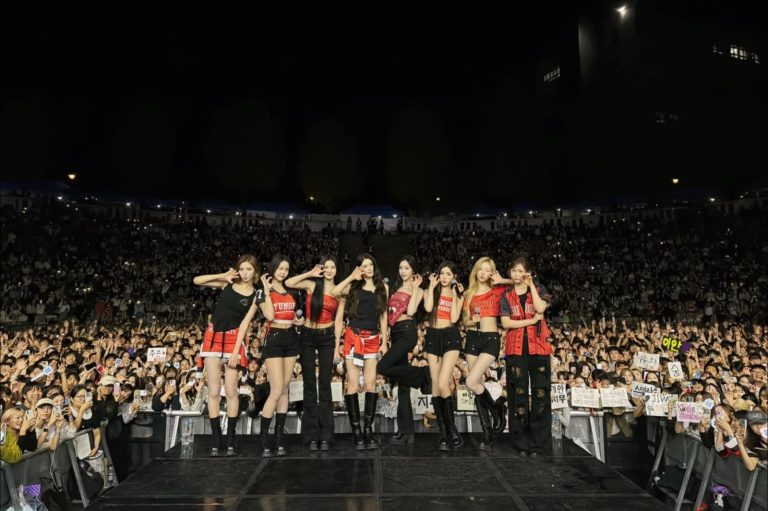
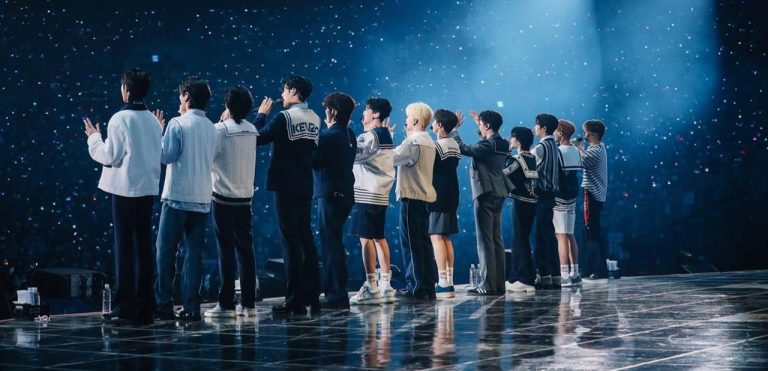
K-Pop groups such as BTS and BLACKPINK have played an important role in introducing South Korean culture to the world. Their international popularity has attracted millions of fans and increased global interest in Korean language, fashion, tourism, and lifestyle.
The South Korean government has also recognized the importance of cultural industries. Through cultural policies and support for creative industries, the government has helped promote Korean culture internationally. However, the success of Hallyu cannot be explained only by government policies. Private entertainment companies, artists, digital platforms, and international audiences have also contributed significantly.
Soft Power in International Relations
The concept of soft power was introduced by Joseph Nye. According to Nye, soft power is the ability of a country to influence others through attraction rather than coercion or payment. Unlike hard power, which relies on military strength and economic pressure, soft power uses culture, political values, and foreign policies to attract other countries.
South Korea demonstrates this concept through its cultural industries. For example, international audiences who enjoy Korean music and dramas may develop a positive perception of South Korea. Some fans become interested in learning Korean, visiting the country, and understanding its society.
This cultural attraction can create advantages in international relations. A positive national image can strengthen diplomatic relationships, encourage tourism, and support economic activities. Therefore, Korean popular culture has become an important source of South Korea’s international influence.
The Importance of Hallyu for South Korea
Hallyu is important because it provides South Korea with an additional source of international influence beyond its economic and military capabilities. South Korea is not one of the world’s largest military powers, especially when compared with countries such as the United States and China. However, its cultural influence allows it to remain highly visible in global society.
The popularity of Korean entertainment also creates economic benefits. The success of K-Pop, films, and television dramas can increase demand for Korean products, including cosmetics, fashion, food, and tourism services. This demonstrates how cultural popularity can support other sectors of the national economy.
Furthermore, Hallyu contributes to South Korea’s national branding. It helps distinguish South Korea from other countries and creates an international identity associated with innovation, entertainment, and modern culture.
Challenges and Limitations of South Korean Soft Power
Despite its success, South Korean soft power also faces several challenges. First, cultural popularity does not always translate into political influence. People may enjoy Korean music and dramas without necessarily supporting South Korean foreign policy.
Second, the global entertainment industry is highly competitive. Countries such as the United States, Japan, and China also have strong cultural industries. South Korea must continue developing its creative industries to maintain its international position.
Another challenge is the sustainability of Hallyu. Cultural trends can change quickly, especially in the digital era. The popularity of certain artists or entertainment products does not guarantee long-term international influence.
In my opinion, South Korea should not depend entirely on K-Pop or entertainment to maintain its soft power. It should also strengthen its international image through education, diplomacy, technological development, and international cooperation.
Conclusion
South Korea demonstrates how culture can become an important instrument of international relations. Through Hallyu, especially K-Pop, Korean dramas, and films, South Korea has successfully increased its global visibility and created a positive international image.
Using Joseph Nye’s concept of soft power, it is clear that cultural attraction can provide countries with significant international advantages. However, soft power has limitations because cultural popularity does not automatically create political influence.
I believe South Korea’s success comes from its ability to combine cultural industries, government support, private-sector innovation, and global communication. Hallyu shows that international influence is not determined only by military or economic power. Culture can also become a powerful resource for countries seeking a stronger position in the international system.
Writer: Rahmad Hilal Habib – 202510360110042
References
Nye, J. S. (2004). Soft power: The means to success in world politics. PublicAffairs.
Nye, J. S. (2008). Public diplomacy and soft power. The ANNALS of the American Academy of Political and Social Science, 616(1), 94–109.
Ravina, M. (2009). Introduction: Conceptualizing the Korean Wave. Southeast Review of Asian Studies, 31, 3–9.
Jang, G., & Paik, W. K. (2012). Korean wave as tool for Korea’s new cultural diplomacy. Advances in Applied Sociology, 2(3), 196–202.