
Image source: Google
South Korea is one of the countries that has successfully transformed itself from a post-war developing country into a global economic and diplomatic power. This success is reflected not only in domestic economic growth but also in its active involvement in various international organizations. Through participation in the United Nations (UN), the Organisation for Economic Co-operation and Development (OECD), the G20, and the Asia-Pacific Economic Cooperation (APEC), South Korea affirms its position as an important actor in the international system. This essay will discuss South Korea’s role in international organizations and its contributions to peace and development.
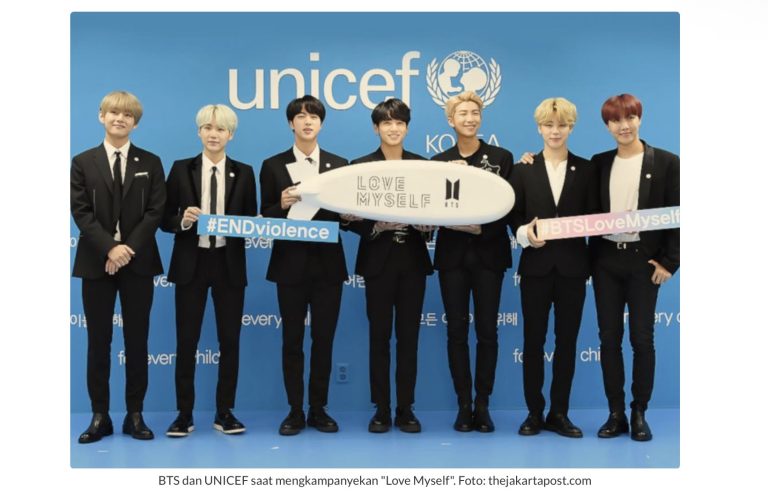
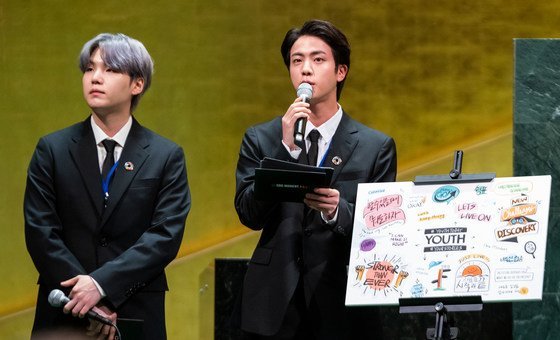
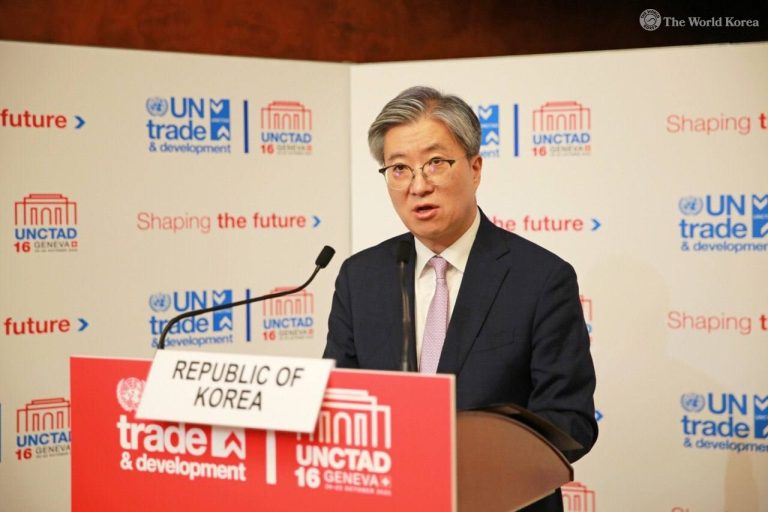
South Korea in UN – Souce: Google
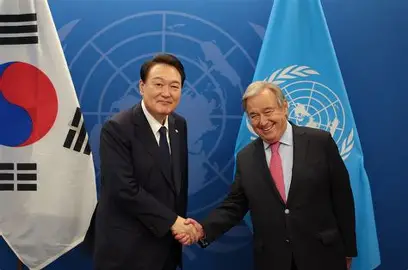
South Korea has been recognized by the UN since 1948 as the legitimate government of the Korean Peninsula, joining as a full member in 1991. The country has been elected three times as a non-permanent member of the UN Security Council (UNSC): 1996–1997, 2013–2014, and 2024–2025. During the 2024–2025 UNSC term, Korea is enhancing peacekeeping, non-proliferation such as the Arms Trade Treaty, and human rights in North Korea (co-sponsor of resolution 2025). It has become a ‘global pivotal state’ with a focus on conflict prevention, AI security, and peace on the Korean Peninsula. In 2026, this role will be expanded to global issues such as Pyongyang sanctions and multilateral cooperation. This demonstrates South Korea’s commitment to global stability. Support for the Sustainable Development Goals (SDGs) is also part of South Korea’s strategy, particularly in technology, education, and health, which align with its domestic strengths.
South Korea joined the OECD in 1996 as the 29th member, marking its status as a developed country following the ‘Miracle on the Han River.’ South Korea has made significant contributions to the OECD, transforming from a recipient of aid to a global donor. According to research by Kim (2019) in the Asian Journal of Comparative Politics, South Korea’s membership in the OECD has strengthened its reputation as a development model that successfully combines rapid industrialization with political democratization. Thus, the OECD is not only an economic forum but also a venue for legitimacy for South Korea as a developed country.
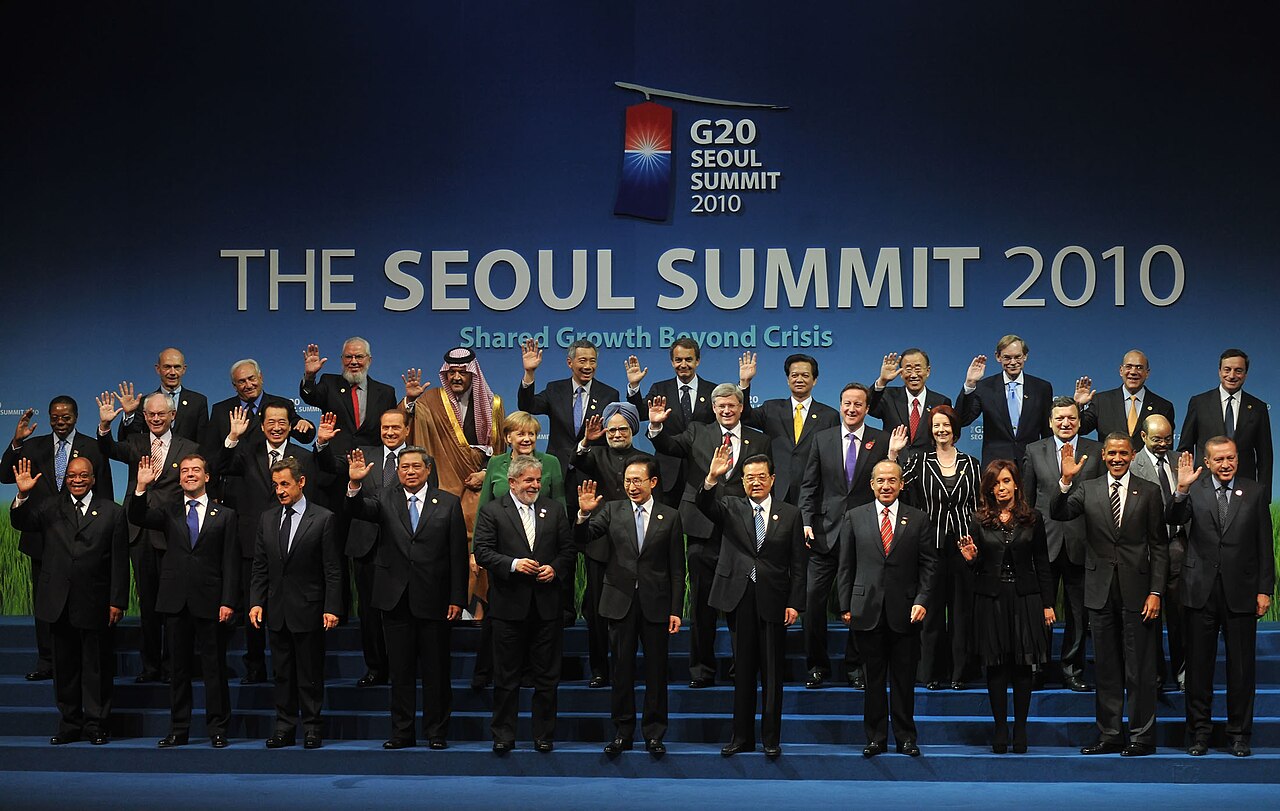
In addition, South Korea also plays a strategic and proactive role in the international forums of the G20 and APEC, acting as an important bridge between developed and developing countries to promote inclusive and sustainable economic cooperation. In the G20, South Korea has been a key member since its establishment in 1999, with a peak of influence when it led the presidency in 2010 under the theme “Shared Growth Beyond Crisis.” At that time, they represented Asia’s aspirations (together with China, Japan, and Indonesia), which account for 85% of global GDP, promoted financial safety nets to recover from the 2008 crisis, and coordinated multilateral efforts with non-members. In 2025-2026, South Korea’s G20 Sherpa actively coordinates with Indonesia on natural disasters, critical minerals, human-centered AI, and equal access, as emphasized by President Lee Jae Myung at the summit, highlighting fair opportunities for all parties.
South Korea in APEC
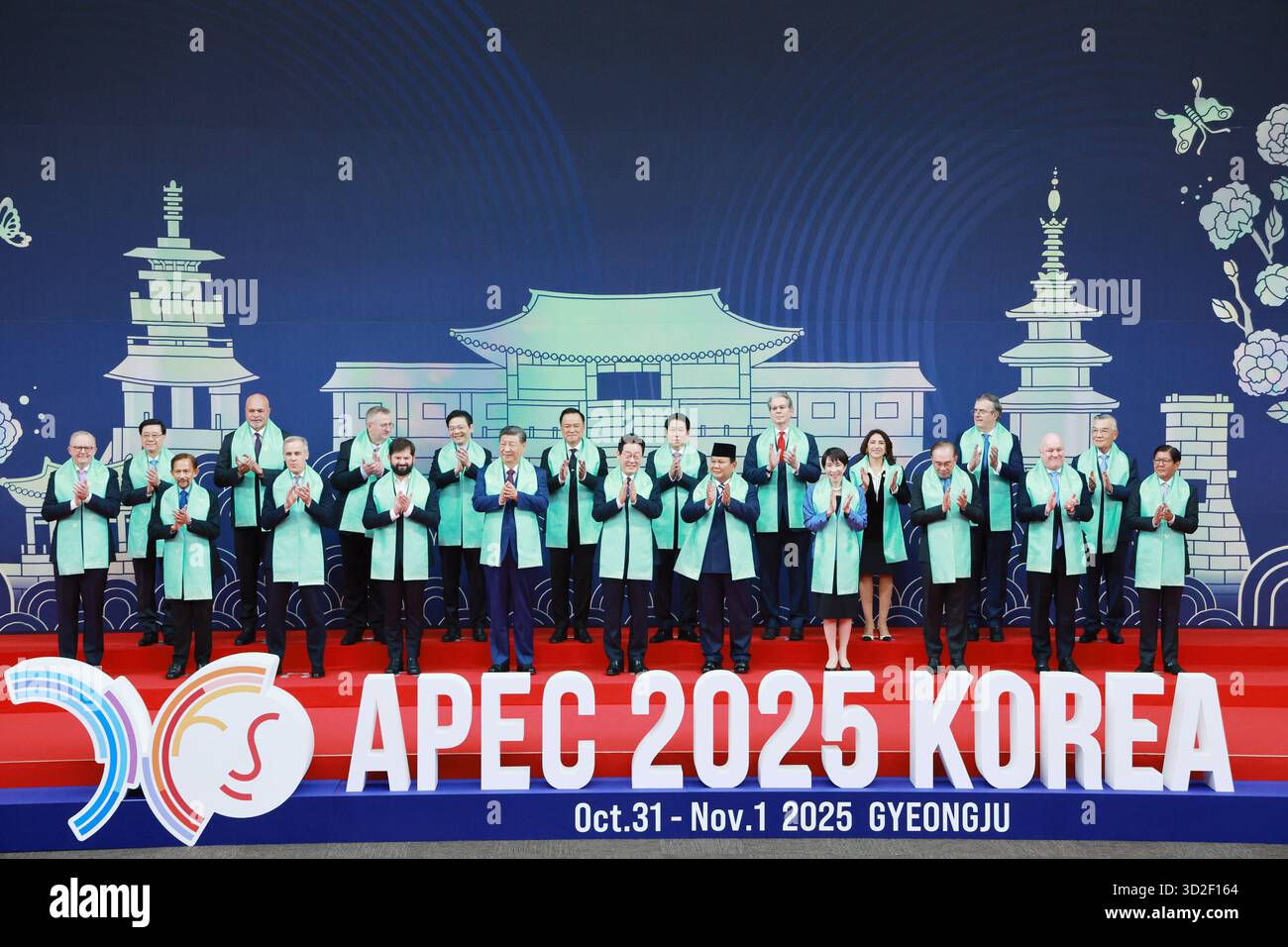
At APEC, as the host of the 2025 Summit in Gyeongju with the theme ‘Bridging Diplomacy,’ South Korea led efforts against the US-China trade war, strengthening bilateral relations such as with Indonesia in EVs, batteries, and strategic minerals. They launched the Asia-Pacific AI Center initiative (2026-2030) to close the technology gap, included the cultural sector in the main agenda for the first time through the CCI (Cultural and Creative Industries) Dialogue, and promoted digitalization and regional economic integration ahead of APEC 2026 in China.
The topic of South Korea’s role in international organizations is important to discuss because it reflects the remarkable transformation of a country from a poor post-war condition into a global economic and diplomatic power. This success not only demonstrates how rapid industrialization and political democratization can proceed hand in hand, but also shows how a country utilizes its membership in international organizations such as the UN, OECD, G20, and APEC to strengthen its global legitimacy and influence. Therefore, this topic is important because it provides an understanding of how a country can use international organizations as an arena to expand influence, maintain global stability, and at the same time support domestic interests.
Writer: Muhammad Nazhif Wiradafa – 202410360110106
References
Bernal, G. (2024, February 28). Can South Korea become a global pivotal state? Lowy Institute – The Interpreter.
CNBC Indonesia. (2025, October 31). RI-Korsel perkuat kerja sama ekonomi jelang KTT APEC 2025. CNBC Indonesia .
Indonesia Korea Journalist. (2019, August 15). RI-Korsel perkuat kerja sama regional lewat APEC hadapi perang dagang. Indonesia Korea Journalist.
Indonesia Korea Journalist. (2022, December 5). Pengalaman Korea Selatan, manuver Indonesia dalam presidensi G20. Indonesia Korea Journalist.
Kim, J., & Kim, T. (2025). Navigating South Korea’s development studies: A compressed transformation. The European Journal of Development Research. Springer.
Ministry of Foreign Affairs of the Republic of Korea. (2024). South Korea elected as non-permanent member of the UN Security Council for 2024–2025. Seoul: MOFA.
Organisation for Economic Co-operation and Development (OECD). (1996). Republic of Korea joins the OECD as the 29th member country. Paris: OECD.
Panke, D., & Stapel, S. (2023). Cooperation between international organizations: Demand, supply, and restraint. The Review of International Organizations. Springer.
United Nations. (1991). Admission of the Republic of Korea to membership in the United Nations. UN General Assembly Resolution 46/1.
Organisation for Economic Co-operation and Development (OECD). (1996). Republic of Korea joins the OECD as the 29th member country. Paris: OECD.