
Image source: Pinterest
Abstract
As we know, South Korean culture is one of the most popular cultures lately, which has also succeeded in attracting the attention of many people around the world. This phenomenon that we usually call as the Korean Wave (Hallyu) has proven that music, films, and all dramas produced by South Korea had created a big influence on global society, not only in the fields of industry and fashion, but they also influence the political world by making it as a soft power in diplomacy. In this article, we will discuss all these things using theories from several studies on Korean Wave, which is not only influential in the industrial field but also very effective as a diplomatic tool to increase South Korea’s global influence.
Introduction
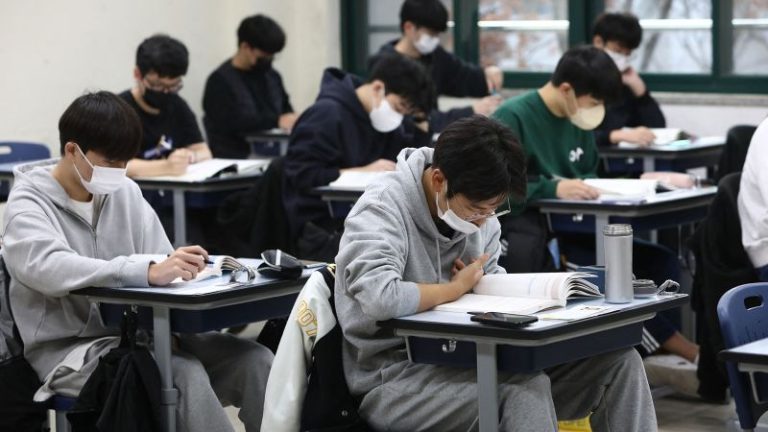
As time progresses, South Korea has experienced the rapid growth through its culture which has succeeded in attracting lots of international attentions. Through K-pop music, films, and K-dramas, South Korean culture has gained global popularity which is widely consumed by people from various backgrounds in the world. This interesting phenomenon is commonly known as the Korean Wave or Hallyu which is nothing but the development of South Korea’s culture since the 1990s throughout the world through entertainment products such as music, drama, and also films.
A state could strengthen its relations with other states through cultural diplomacy, namely by carrying out cultural exchanges and also social values (Gunawan, 2021). Not only as a national identity, this also proves that culture can also be one of the tools that has an important role in building relations between states. Due to its rapid cultural development, South Korea has utilized this as a means to expand its influence on the international world.
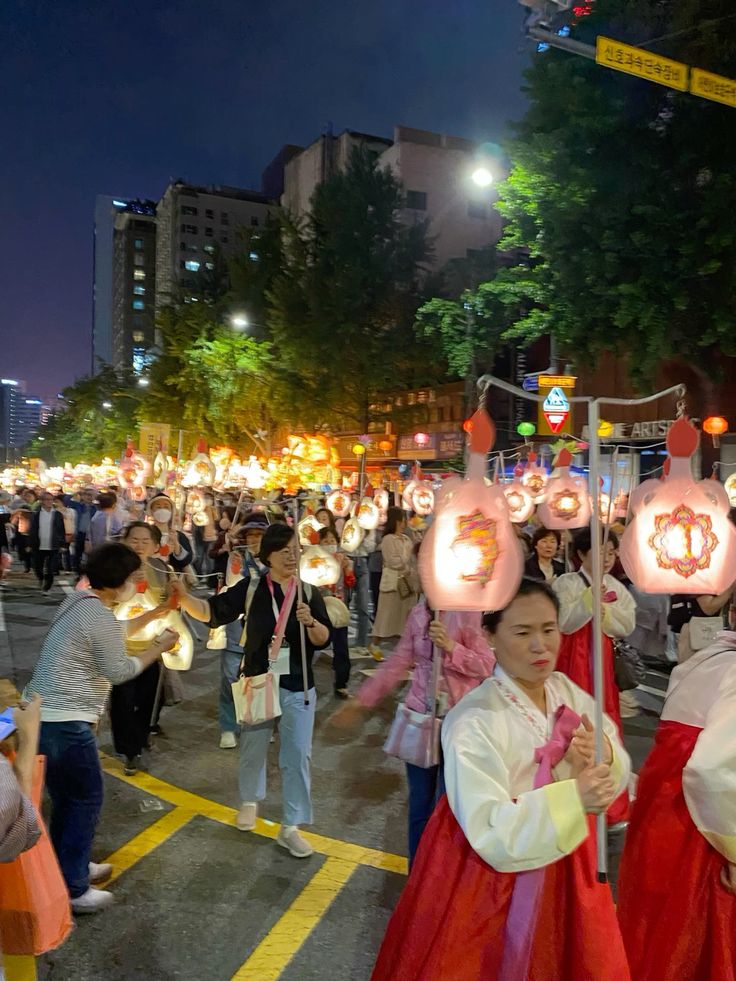
Image source: Pinterest
This major phenomenon can be explained with the concept of soft power. According to Nye (2004), soft power is the ability of a state to influence other states not by using the military or economic power, but through cultural attraction, values, and policies. In this context, we can take the Korean Wave (hallyu) as one of the real example of soft power in international diplomacy.
The Rise of South Korea’s Popular Culture
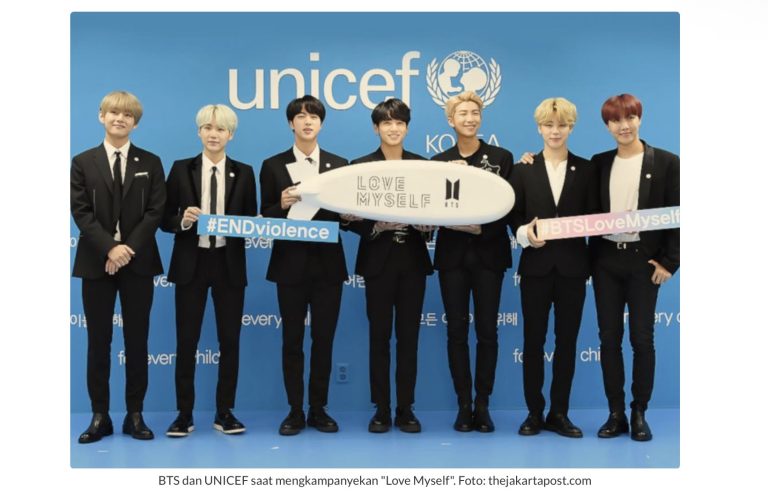
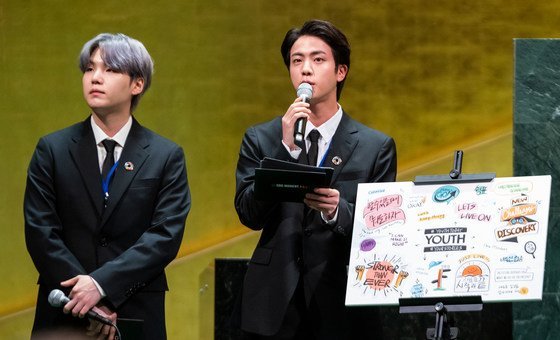
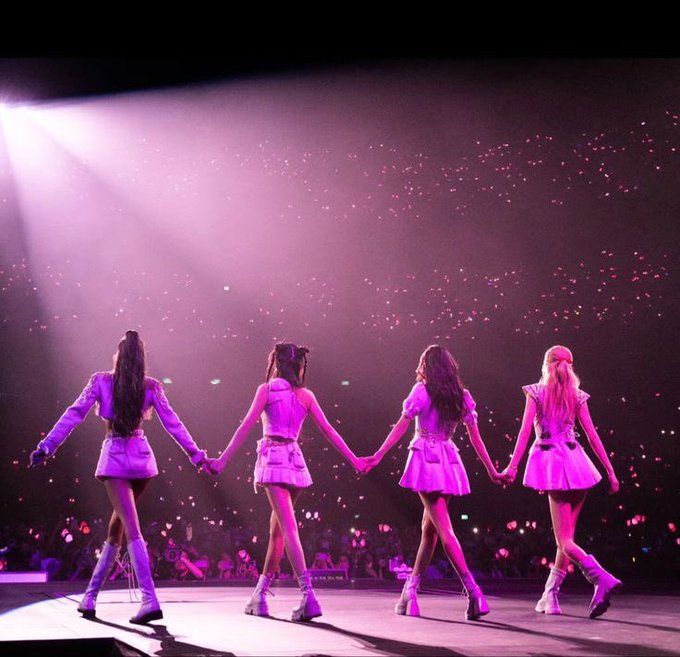
As we know, the development of South Korea’s culture that is so popular is caused by the rapid development of the industrial entertainment. K-pop music and also K-Drama have succeeded in making South Korean culture attract the attention of the entire global society, making it even more popular. Music group like the BTS and also Blackpink is certainly not foreign to our ears, they are the most popular boy band and girl band who have succeeded in having so many fans from various countries, while squid game is one example of a series that is very popular in the global industry.
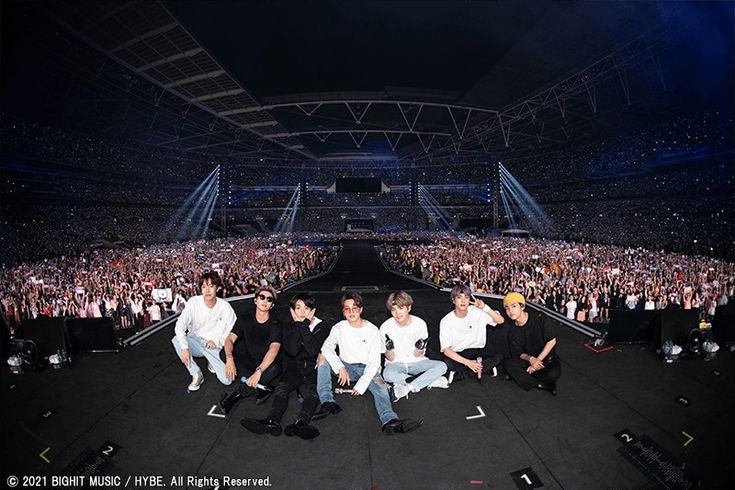
With this phenomenon which is none other than the Korean Wave (Hallyu) can show us that the Korean culture has the ability to be part of world popular culture. According to Glodev, Wijaya, and Ida (2012), the Korean Wave is one of the globalization impacts of Korean culture which has susccessfully spread widely through the media and entertainment industry. With the development of digital and modern technology, the spread of this culture might even be faster and allow Korean cultural content to be easily accessed by people from various countries. If the consumption of Korean culture continues to increase, the Korean Wave wll become one of the most influential cultural developments in recent decades.
Cultural Diplomacy and Government Support
Behind the success of the Korean Wave in the entertainment world, the South Korean government also participated in providing support through its policies, such as promoting Korean culture in various cultural diplomacy programs, international festivals, and also cultural institutions established in various countries.
One example of the government support is by the establishment of the Korean Cultural Center, which is served as a platform to introduce Korean culture to foreigners through various activities such as cultural festivals, art exhibitions, Korean language classes, and also the film and music promotions. This is an effort of the South Korean government in expanding its cultural influence internationally.
The Korean Wave is a highly effective tools in increasing South Korea’s global influence through its cultural strength (Sunyogita, 2021). Government support also demonstrates that popular culture is a very strategic component of South Korea’s diplomacy.
Analysis Using Soft Power Theory
Soft power is a concept that explains a country’s ability to influence others to achieve its desired goals without resorting to military or economic force, but rather through the appeal of its culture, political values, and policies. In South Korea, the Korean Wave is an example of soft power, a key source of enhancing its image in the eyes of the world.
Korean culture which is none other than an example of soft power diplomacy has the ability to build a positive image of the country while increasing foreign interest in their culture (Gunawan, 2021).
The increase in tourists visiting South Korea is an impact of the Korean Wave (Hallyu) phenomenon. Furthermore, this phenomenon has led to a surge in the popularity of South Korean products such as skincare, cosmetics, and foods. This demonstrates that a growing popular culture not only benefits the entertainment industry but can also boost the economy and aid diplomacy in South Korea.
Conclusion
Through its popular culture, South Korea has successfully captured the attention of the global society, thereby enhancing its positive image internationally. This Korean Wave demonstrates that culture is not only a tool of entertainment in the industrial world but can also be a highly effective tool for diplomacy in the international relations.
The Korean Wave phenomenon demonstrates that cultural power in this era of globalization has become a crucial factor in the international diplomacy. With the support of the government, Korean culture which currently is so popular will develop into a highly effective source of the soft power and have the potential to expand South Korea’s influence globally.
Writer: Aisyah Salsabila Khoirunnisa’ – 202410360110048
Reference:
Balraj, B. M., & Manan, M. H. bt A. (2022). The conception of soft power in Korean’s popular culture. International Journal of Academic Research in Business and Social Sciences, 12(9), 1905–1910. https://doi.org/10.6007/IJARBSS/v12-i9/14387
Glodev, V., Wijaya, G., & Ida, R. (2023). The Korean wave as the globalization of South Korean culture. WACANA: Jurnal Ilmiah Ilmu Komunikasi, 22(1), 108–120. https://doi.org/10.32509/wacana.v22i1.2671
Gunawan, I. (2022). Korean cultural diplomacy: Uniting society through soft power. Journal of Social and Political Sciences, 5(3), 155–166.
Kim, H. J. (2021). Hallyu, the Korean wave: South Korea’s transition to cultural powerhouse. Journal of Law, Social Justice & Global Development, (25).
Kim, Y. (Ed.). (2021). The soft power of the Korean wave: Parasite, BTS and drama. Routledge.
Li, L., & Hongtao, L. (2017). Joseph Nye’s soft power theory and its revelation towards ideological and political education. Humanities and Social Sciences, 5(2), 69–74. https://doi.org/10.11648/j.hss.20170502.13.
Sari, L. P. (n.d.). Analisis Korean wave sebagai bentuk soft diplomacy yang efektif di bidang kebudayaan. Journal of Diplomacy and International Studies, 13–25.
Vyas, R. (2024). Harnessing cultural soft power: A study of South Korea’s global influence through popular culture. Journal of Asian Studies and International Relations, 6(1), 25–32.