
Image source: Pinterest
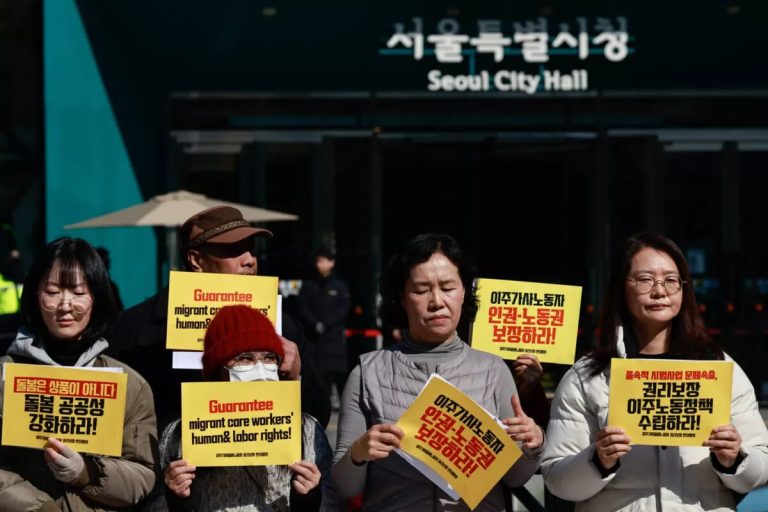
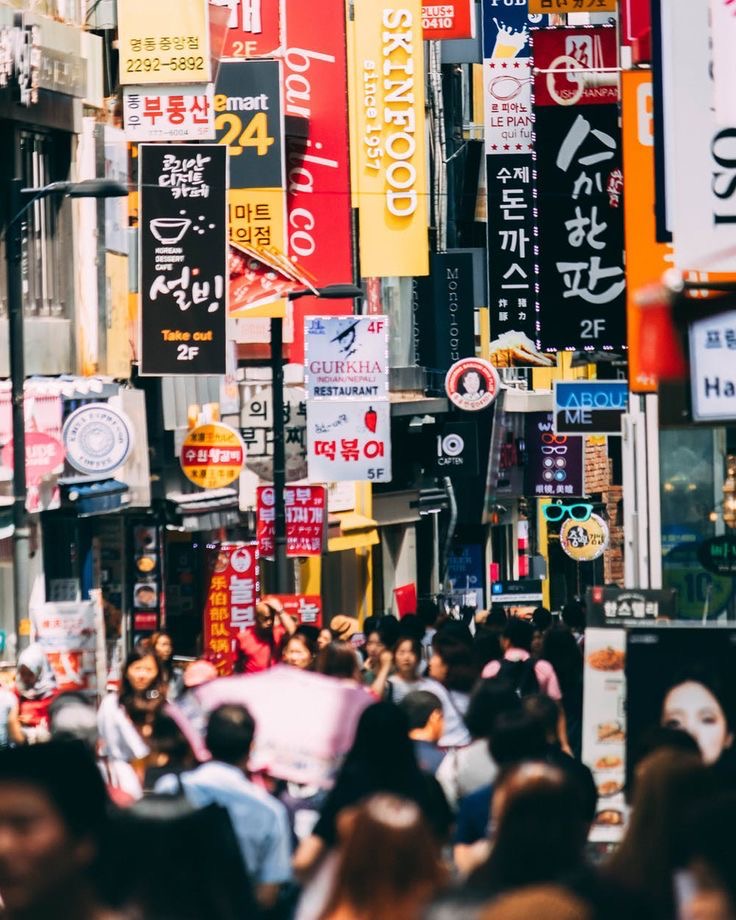
For a long time, South Korea was known as a state that adhered to monoculturalism. This was proven by South Korea’s demographic composition, which historically consisted of 99% ethnic Koreans. This strict monoculturalism started to shift in the late 1980s. During this time, South Korea transitioned from a labor-exporting country to a labor-importing country. Rapid economic growth and the emigration of Koreans to the West, where many decided to permanently reside, resulted in a shrinking domestic labor force. These circumstances initiated South Korea to look outward, collaborating with 15 Asian countries to recruit labor force workers, which ultimately diversified the nation’s demographic composition. This ethnic diversification intensified through marriages between female migrants and South Korean males, as well as male migrants marrying South Korean females.
The sudden arrival of foreign migrants created significant friction. Labor unions and support groups initially opposed them, especially since these migrants were primarily recruited to fill the gap for “3D” (Difficult, Dirty, and Dangerous) work. This demographic shift created a shared living space where South Korean citizens had to assimilate with migrants permanently residing there. Unfortunately, this assimilation process was far from easy. South Korea’s deeply rooted concept of Han minjok, the belief that the nation is bound by a single ethnic bloodline has severely hindered integration. This ethno-nationalist ideology historically propagated ethnic homogeneity, making the concept of multiculturalism entirely foreign to the traditional Korean identity. Consequently, this mindset often results in racism toward other ethnic groups, even when those individuals hold legal citizenship and permanent residency in South Korea.
Because of this societal friction, multicultural families (often referred to in policy as damunhwa gajok) face difficult living situations. They frequently receive discrimination and face intense social pressure to perform traditional Korean culture while completely abandoning their cultures of origin . Despite the passage of the Multicultural Families Support Act in 2008, the very term “multicultural family” is frequently used as a stigmatizing label that pushes these individuals to the periphery of society. Public discourse often associates the label with economic precarity, marginalized labor, and a need for social assistance rather than genuine cultural integration. This tension and systemic inadequacy are most painfully visible in the education system. Children from multicultural families often experience severe structural and relational barriers in schools. The South Korean educational system lacks adequate support mechanisms and inclusive curricula to accommodate diverse backgrounds, leading to bullying, social exclusion, and a higher risk of systemic discrimination for these children.
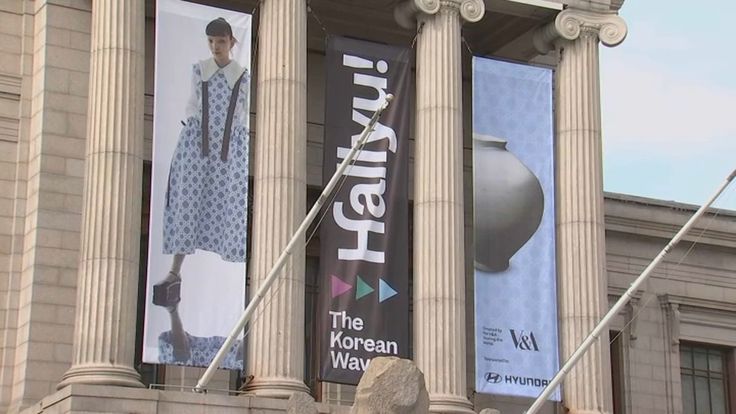
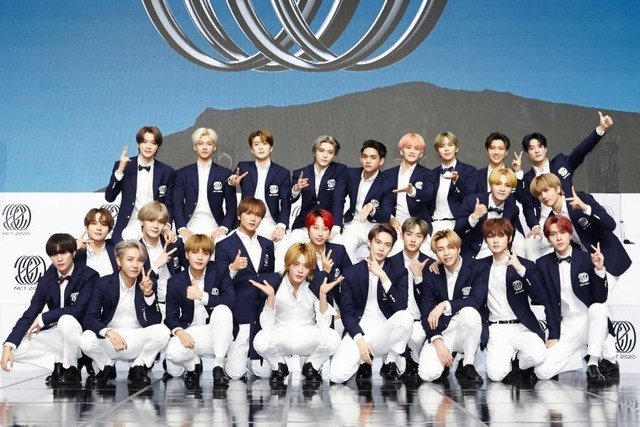
However, a powerful bridge for multiculturalism in South Korea has emerged through a globally celebrated avenue: the entertainment industry. In the 21st century, K-Pop has taken the world by storm, expanding far beyond linguistic and geographical barriers. Furthermore, the industry has actively welcomed members from different ethnic and national backgrounds, ranging from Chinese and Japanese to Thai, Indian, and Vietnamese performers. Multinational groups such as TWICE, BLACKPINK, and NCT—have seamlessly integrated foreign members who stand shoulder-to-shoulder with their Korean counterparts on the global stage.
While the inclusion of foreign idols was initially viewed by domestic audiences as a purely commercial strategy by entertainment companies to penetrate overseas markets, their highly visible presence is slowly reshaping domestic perceptions. These foreign artists serve as highly effective cultural ambassadors; their inclusion in K-Pop acts as a gateway to understanding diverse cultures and promoting cross-cultural cooperation. For the South Korean public, seeing non-Korean idols learn the language, adapt to the culture, and contribute to the nation’s global prestige challenges the rigid ethno-cultural understanding of “Koreanness”. Although domestic audiences can sometimes be overly critical in scrutinizing how well these foreign idols adapt to Korean norms, this widespread exposure fosters a necessary, country-wide dialogue about diversity. When South Korean citizens take pride in a multinational group representing their country globally, it subtly dismantles the rigid borders of the Minjok ideology, proving that national pride does not require racial exclusivity.
By utilizing K-Pop as a cultural strategy, South Korea can further spread awareness of multiculturalism, particularly among its younger generations. The music industry’s public embrace of diversity promotes unity among fans from different cultural backgrounds. Furthermore, because K-Pop inherently blends Western musical genres and cross-cultural aesthetics, it organically normalizes hybridity rather than strict traditionalism. If educational institutions and policymakers harness this cultural shift, the normalization of foreign idols on television and social media can actively translate into the normalization of multicultural children in classrooms.
In conclusion, while South Korea’s history as a monocultural state has created significant systemic friction, educational inadequacies, and discrimination for migrants, the nation is currently in a state of evolution. The deeply rooted belief in a single bloodline historically created a hostile environment for multicultural families. However, the global rise of K-Pop and its intentional integration of multinational members offer a highly visible and influential strategy to spread multicultural awareness. By challenging traditional definitions of what it means to represent South Korean culture, K-Pop serves as a vital bridge, helping to transform a historically closed society into a more inclusive, empathetic, and globally integrated nation.
Writer: Khayla Chintia Bilbina – 202310360311136
REFERENSI
Istad, F., Kim, M. J., & Curran, N. M. (2022). More or less a foreigner: Domestic reception of multinational K-pop groups. Asian Journal of Social Science, 50(4), 268-275.
Jin, D. Y., & Yoon, K. (2016). Global Imagination of K-Pop: Pop Music Fans’ Lived Experiences of Cultural Hybridity. Popular Music and Society, 39(4), 515-531.
Lee, J. K., & Kim, S. (2021). Social Welfare Policy for Marriage Migrants and Their Families in South Korea. Journal of Human Rights and Social Policy.
Park, E. (2025, October 31). South Korea’s migrant workers trapped in a legal cage. East Asia Forum. Retrieved November 7, 2026, from https://eastasiaforum.org/2025/10/31/south-koreas-migrant-workers-trapped-in-a-legal-cage/
Racism in Korea: Unwitting discrimination. (2022, June 30). The UOS Times. Retrieved November 7, 2026, From https://times.uos.ac.kr/news/articleView.html?idxno=10464
Sekitar 5 persen penduduk Korsel berlatar belakang imigran. (n.d.). https://world.kbs.co.kr/service/news_view.htm?lang=i&id=Po&Seq_Code=83327
Shin, G.W. (2006). Ethnic Nationalism in Korea: Genealogy, Politics, and Legacy. Stanford University Press.
Zulkarnain, A. R. M., & Suharyono, K. N. I. (2022). K-Pop and Contemporary Cultural Diplomacy: The Influence of K-Pop Idol Neo Culture Technology (NCT) on Indonesia’s Cultural Diplomacy in the Digital Age. Hasanuddin Journal of Strategic and International Studies (HJSIS), 1, 45–54.