
Picture source: Pinterest
Introduction
Soft power, an effort that can influence how international actors behave, cannot be underestimated in this modern era. Aiming interests by presenting charms rather than by force or taxes, this method is effective in shaping other actors’ interests, causing them to adjust their goals voluntarily. One of the most successful soft power implementations in the world is South Korea through their cultures, which has more than 225 billion global fans in 2024 (Brand Finance, 2025). This large number of South Korea’s cultural consumers could shape other states’ policies, especially toward South Korea, which led South Korea to gain certain advancements.
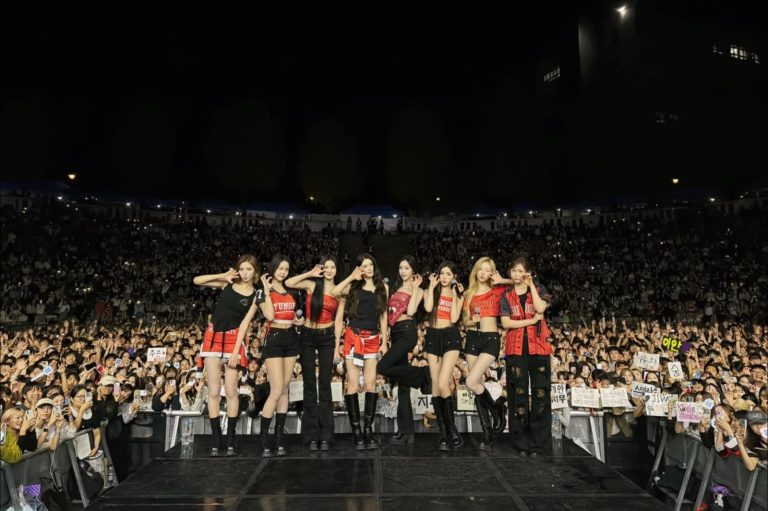
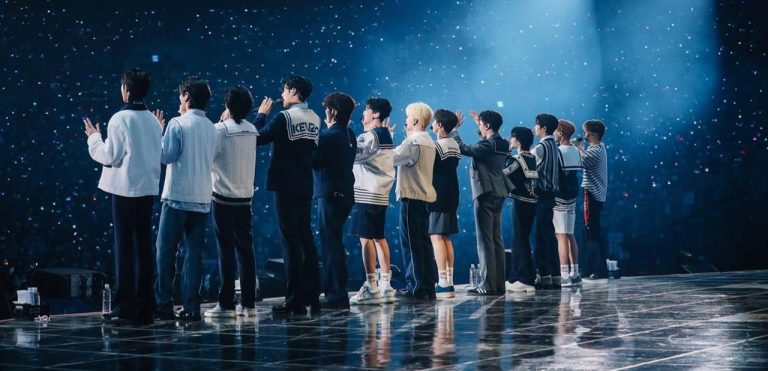
Initiated to react to the 1990s crisis, Hallyu or to be known as Korean waves focused on strengthening Korea’s won exchange rate through expanding cultural exports, which was inspired by the succeed of Jurassic Park movie that was equal to the selling of 1,5 million Hyundai cars (Victoria and Albert Museum, 2024). At first, South Korea tried to expand its culture through movie productions, then in the early 21st century, they expanded the strategy through the creation of K-Pop. This positive trend led South Korea to expand more cultures like K-Drama, which successfully ranked the state as the 11th global soft power with a score of 59.2/100 (Brand Finance, 2025). These efforts turned South Korea into a strong international actor that catagorized as a middle power state, which is influential enough in shaping global decisions.
Development of South Korea’s Cultural Soft Power Strategy
At the beginning, Hallyu was initiated to solve the 1990s crisis through cinema productions, before then expanding into pop culture. This movement was also aimed at seeking alternative state’s income other than manufacture industries. In recent times, South Korea uses Hallyu as their political power that benefits economically, or even global policy making. This Korea Wave is also beneficial not only for their domestic residents but also other states’ citizens though selling pop culture merchandizes toward fans.
The opportunity of Korea Wave advanced South Korea to expand its foreign policy strategies, especially toward economy. In 2020, about USD 200 million in foreign direct investment (FDI) flowed into South Korea’s cultural content industries, then the investments were mainly used to produce cultural content to meet the demand of overseas users (Jumaway, 2025). However, the opportunity of Hallyu is not merely about FDI initiatives, but it also increase the domestic economic growth by empowering their residents and encourage them to produce Korea’s brands massively. This phenomenon can be proven by the increase of Hallyu-based product export that reach into 13,7% per year, which is around 2,5 times higher than South Korea’s national export growth (Jin et al., 2024).
South Korea’s Global Role as a Middle Power State
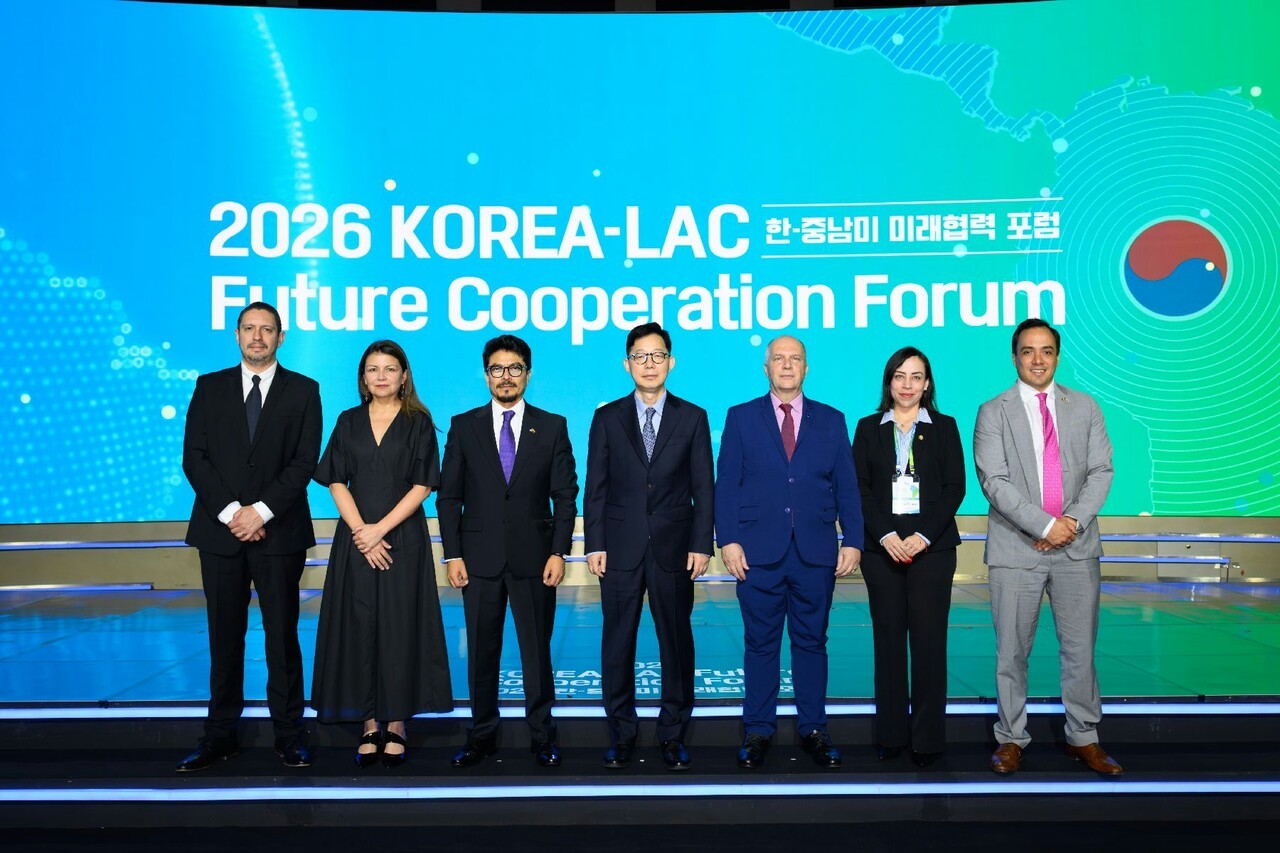
South Korea is positioned as the 12th largest economic state in the world by GDP with a projected GDP of approximately $1.94 trillion USD for 2026 (OECD, 2026). With this positive trend, South Korea has become one of the most reliable states to get partnership with, especially toward least-developed or developing states. Additionally, this state is also participating in realizing global prosperity through establishing many cooperations with other institutions and states actively. Those kinds of strategies have transformed South Korea to be more recognized by international actors, which shows a significant transformation in just only two decades.
These advancements solidify South Korea’s position as a strategic and influential middle power. As a state that has successfully transformed from a poorer state to a consistent global donor, South Korea plays a vital role as a bridge builder between developed and developing states. South Korea does not merely emphasize national interests but actively contributes to the stability of the world order through the implementation of soft power. The state has also emerged as a capable actor in balancing the dynamics of great power competition while remaining a reliable partner for collective progress on the international stage by utilizing its potential soft power.
Conclusion
In conclusion, South Korea’s journey demonstrates that a country’s influence is not just about military might or old-school industry anymore. By embracing Hallyu, Seoul managed to flip the script after the 90s economic crisis, turning K-pop and cinema into a massive engine for growth that now outpaces their traditional exports. It’s a clever move that transformed “cool” culture into serious political capital, racking up billions of fans and billions of dollars in investment along the way. They’ve essentially proven that in the modern era, being a cultural powerhouse is just as effective as being an industrial one.
This shift has carved out a unique spot for South Korea as a “middle power” that actually carries weight. Instead of just taking sides in big-power rivalries, they’ve positioned themselves as a reliable bridge between the world’s wealthiest nations and those still on the rise. By using their soft power to lead on global issues rather than just pursuing their own interests, they’ve become a key player in keeping the international order stable. In just twenty years, South Korea has gone from a struggling state to a sophisticated global leader that everyone wants to partner with.
Writer: Adhi Kumara Jagadhita – 202410360110022
References
Brand Finance. (2025, September 24). The land of morning calm: South Korea’s rising soft power. https://brandfinance.com/insights/the-land-of-morning-calm-south-koreas-rising-soft-power
Jin, F., Kim, S.-H., Choi, Y.-K., & Yoo, B.-K. (2024). A study on the impact of Hallyu (Korean wave) on Korea’s consumer goods exports to China: Panel analysis using big data and provincial-level data. Sustainability, 16(10), 4083. https://doi.org/10.3390/su16104083
Jumaway, J. (2025, August 21). South Korea leverages cultural exports for economic growth. International Trade Council. https://tradecouncil.org/south-korea-leverages-cultural-exports-for-economic-growth/
Organisation for Economic Co-operation and Development. (2026). OECD economic outlook, volume 2026 issue 1: Korea. In OECD Economic Outlook (Vol. 2026, Issue 1). https://www.oecd.org/en/publications/oecd-economic-outlook-volume-2026-issue-1_2d1956f0-en/full-report/korea_19213db6.html
Victoria and Albert Museum. (2024, April 17). The hallyu origin story. V&A. https://www.vam.ac.uk/articles/the-hallyu-origin-story