
Image source: Google
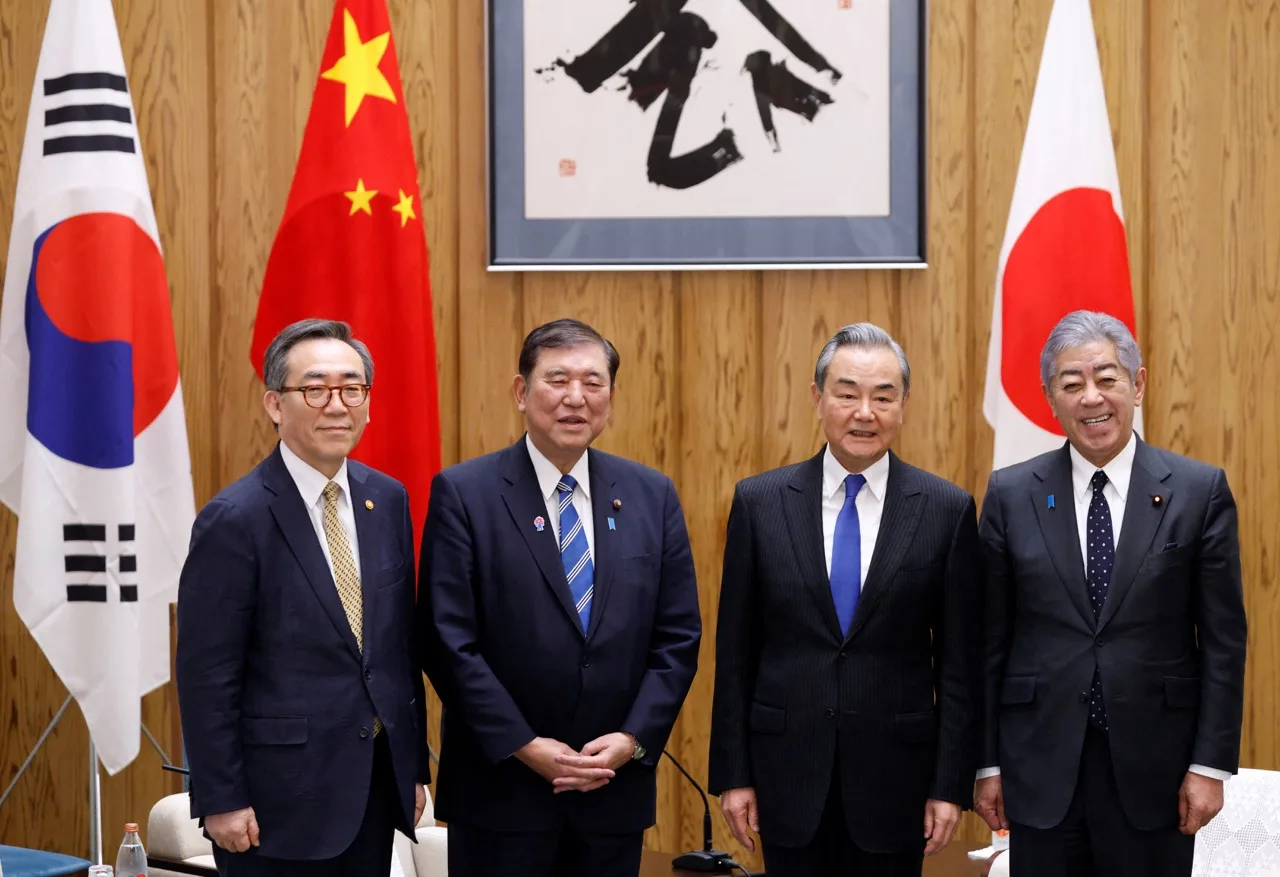
In advance, the Three of them were have complicated relationship within due for their History relationship. That, strongly shaping Modern Geopolitical Impact. South Korea’s Disputes Between Japan and China that were Rooted Originally from Colonialization of Japan During WW I until WW II, and Also China’s Influence at Cold War Era Between Ideologies of Both Fraction within Korea Internally. And that case also has such influence in their own Foreign Policy
Their Conflict with Japan were centered through unresolved issues such as Wartime forced Labor, _Comfort Woman_, and Territorial disputes over Takeshima. These issues not just legal nor diplomatic Disaggremment; but also tied into root of their National identity and Generational Collective Traumas. Meanwhile in other sides, tensions with China are more like strategical Nature, particularly regarding to North Korea and Regional Security dynamics. China’s support for North Korea and Opposition towards Western fractions (mainly US) . Missiles defense systems like THAAD in South Korea illustate Geopolitical friction.
From international relations perspective, realism helps explain South Korea’s Cautious balancing act through all their regards and internal Decisions. South Korea Mainly depends on US for Security, particularly against North Korea, but also Relies in China as their Main impactful Trading Partner. This creates a classic Security and Economic Dilemma within. Liberalism however, offer Another sights despite tensions. South Korea continues to engage in economic corporation and Multilateral diplomacy suggesting that interdependence tempers were outright conflicts.
In my View, South Korea Foreign Policies reflecting high-level structure of middle-power Strategy constructs. It could avoids rigid alignment and either, instead of practices strategic ambiguity maintaining alliances while hedging against Regional Instability. It is an actual adaptation thorough complex environment where history, Economic, and Security are entangled.
The concerns of those issues lies in its broader regional implications. Eastern Asia lacks of strong multilateral security framework like NATO, si historical disputes can easily Escalate into Diplomatic crisis between them. South Korea’s approach in Balancing Experience with pragmatism plays impact in stabilizing role, even if there’s such imperfections.
In summary, SK handling of histori disputes reveals its evolving identity as a Middle power. Not mere reacting to History, but Actively Shaping their role within Eastern Asia by navigating through major powers while also preserving their National Interests.
Writer: Dafa Dafitra – 202410360110025
Reference
Shin, G.-W. (2016). History wars and reconciliation in Japan and Korea. Stanford University Press.
Snyder, S. A. (2018). South Korea’s new southern policy: Implications for the United States. Council on Foreign Relations.
The Pacific Review. (2017). China, THAAD, and the politics of economic retaliation.