
Image source: Jung Yeon-Je/AFP via Getty Images
Introduction and problem Statement
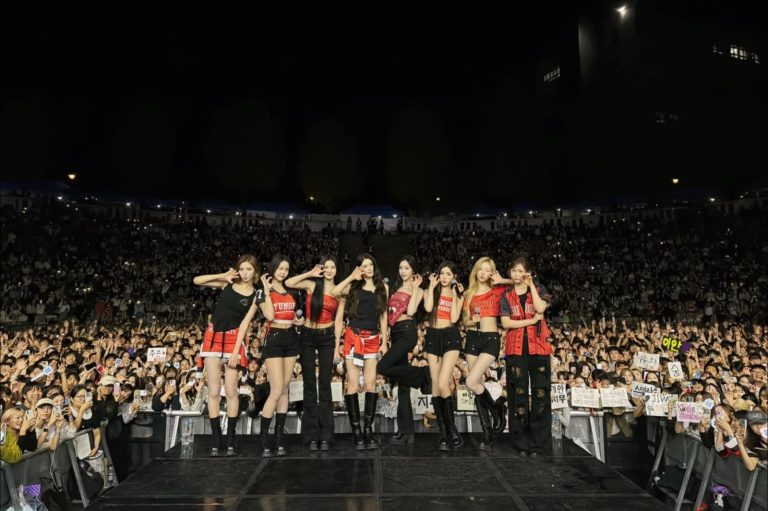
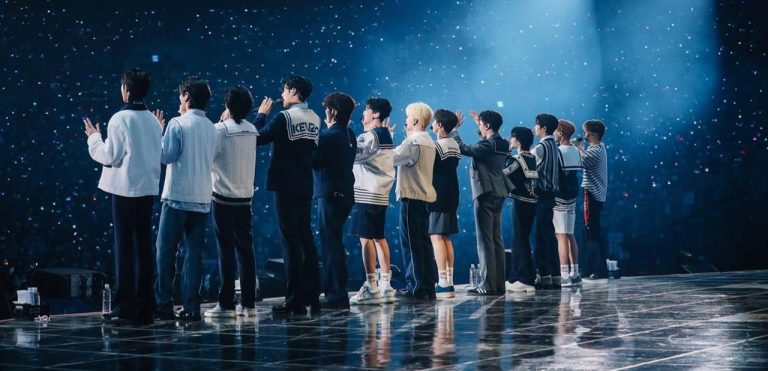
South Korea sells itself to the world as modern, progressive, and endlessly exportable, from K-pop groups with global fan armies to K-dramas that top Netflix charts everywhere. But behind that polished image sits a country with the widest gender pay gap in the OECD, a parliement where only about one in five seats belongs to women, and a young generation so split along gender lines that it now shows up as a measurable voting bloc. In 2025 women at South Korea’s major corporations earned an average of 67.73 million won a year, compared to 97.8 million won for men, a gap of 30.7 percent that actually widened from the year before (Shin, 2026). Women hold only around 20 percent of the 300 seats in the National Assembly, well below the global average of 27.2 percent and the Asian average of 22.1 percent (Gao and Elfving-Hwang, 2026). And for the better part of a decade, one of the more reliable applause lines in Korean presidential campaings has been a promise to shut down the Ministry of Gender Equality and Family altogether (The Korea Times, 2025).
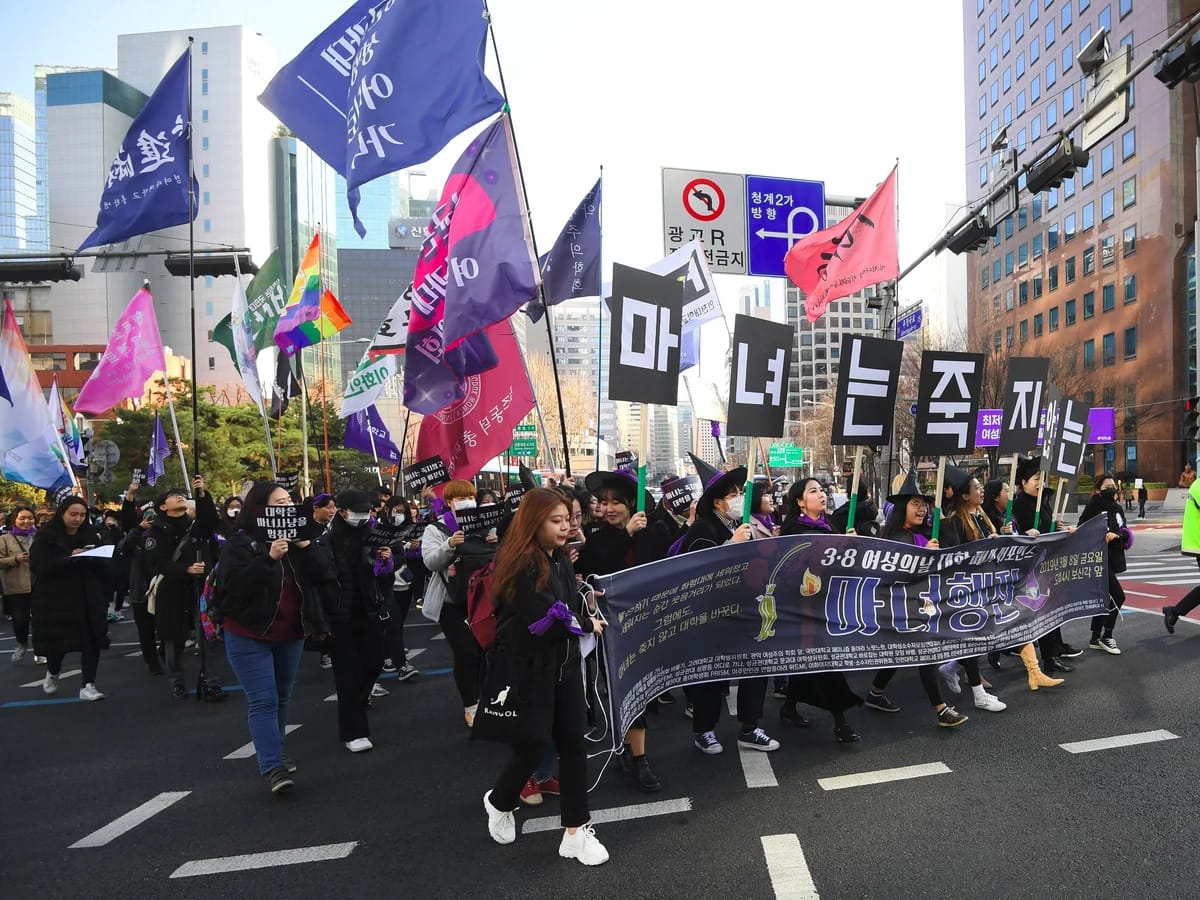
This matters well beyond South Korea’s own borders. The same generation of women being paid less and shut out of political office is also driving the country’s birth rate to the lowest in the world. Many have joined what is known as the 4B movement, refusing to date, marry, have sex with, or raise children with men, as a direct response to a culture they experience as stacked againts them at almost every level (Encyclopaedia Britannica, 2026). A country cannot keep exporting an image of gender-forward, empowering pop culture while it’s wages, it’s parliement, and it’s own presidential campaigns keep sending the opposite massage. That contradiction is not just an awkward footnote to an otherwise good story. It is now colliding directly with the demographic emergency South Korea’s own government has called it’s most urgent long-term problem.
Issue analysis and opinion
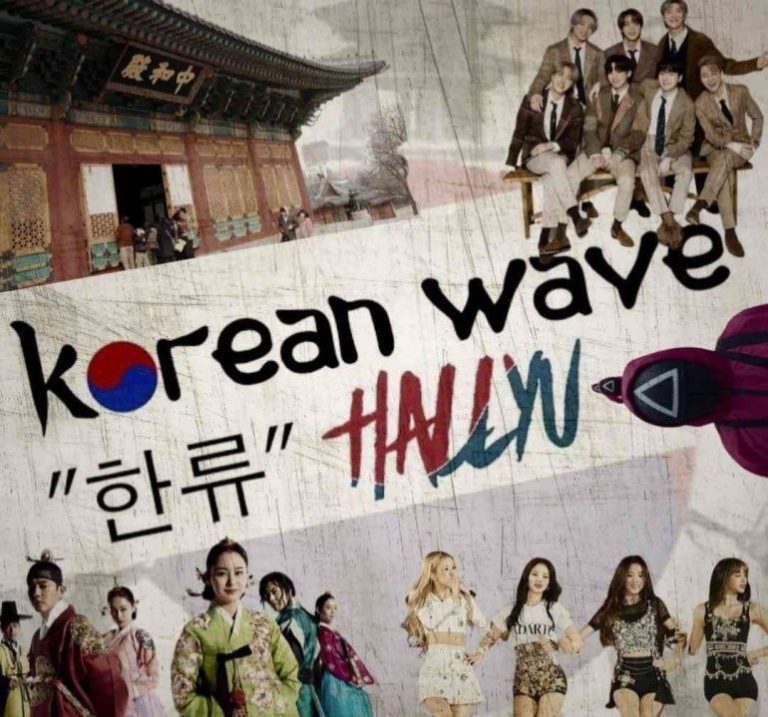
This is best understood through the idea of soft power, the term Joseph Nye coined to describe a country’s ability to get what it want’s internationally through attraction and image rather that force. For two decades, Hallyu, the Korean Wave, has been one of the most effective soft power exports of any country in recent memory. Groups like BTS built global followings partly on messages of self-acceptance, and Korea dramas and films, fron Crash Landing on You to Kim Ji-young, Born 1982, found international audiences largely because they took gender and social pressure seriously as subject matter. The image South Korea exports is of a society actively working through these tensions.
The trouble is that soft power built on image eventually has to be backed up by subtance, and domestically, the record tells a much messier story. Under former President Yoon Suk Yeol, gender equality was treated less like a policy goal and more like a political liability. Yoon campaigned in 2022 partly on abolishing the Ministry of Gender Equality and Family, and during the 2025 election his ally Lee Jun-seok leaned on similarly divisive rhetoric, drawing strong support from young men while young women voted heavily againts him (Gao and Elfving-Hwang. 2026). It took a change in government under President Lee Jae-myung. Who took office in june 2025, to reverse course and start rebuilding the ministry’s mandate and staffing (Seoul Economic Daily, 2026; The Kore Times, 2025). That kind of policy whiplash, where an entire government ministry’s survival depends on which candidate happens to win, tells you gender equality in South Korea is still treated as negotiable rather than settled.
In my view, this is where the soft power argument stops being reassuring and starts being a warning sign. A country can produce as many empowering pop songs as it wants, but if it’s own workplaces pay women 30 percent less and it’s own parliement keeps them out of the room where decisions get made, the cultural export starts to look like a performance rather than a reflection of the society actually producing it. Worse, it feeds directly into the demographic crisis the government claims to care about most. Women joining the 4B movement are not opting out of marriage and childbirth for no reason; they are responding rationally to a system that penalizes them economically and politically for staying in it. A government that want’s a higher birth rate while treating gender equality as a bargaining chip every election cycle is working againts it’s own stated goal.
Conclusion
South Korea’s gender inequality is not a side issue quietly sitting beneath it’s cultural succes story; it is actively working againts the country’s own demographic survival and undercutting the credibility of everything it exports through Hallyu. The soft power built through K-pop and K-dramas cannot substitute for equal pay, equal representation, and political leadership that treats gender equality as a given rather than a bargaining chip up for regenotiation every election. If South Korea genuinely want’s both a stable population and a soft power image it can stand behind without irony, closing the wage gap, keeping the Ministry of Gender Equality and Family funded and staffed regardless of who wins the next election, and getting more women into the National Assembly are not threw saparate projects. They are the same project, and right now, none of them are finished.
Writer:
Reference
Encyclopaedia Britannica. (2026, May 9). 4B movement.
https://www.britannica.com/topic/4B-movement
Gao, M., & Elfving-Hwang, J. (2026, May 12). South Korea election: Lee Jae-myung takes over a country split by gender politics. The Conversation.
Seoul Economic Daily. (2026, March 8). President Lee vows to restore gender equality policies on International Women’s Day.
https://en.sedaily.com/politics/2026/03/08/president-lee-vows-to-restore-gender-equality-policies-on
Shin, S. (2026, March 8). Gender pay gap hovers near 30% in Korea: report. The Korea Herald.
https://www.koreaherald.com/article/10689441
The Korea Times. (2025, October 23). After year in limbo, gender ministry gets reboot.