
Image source: Pinterest
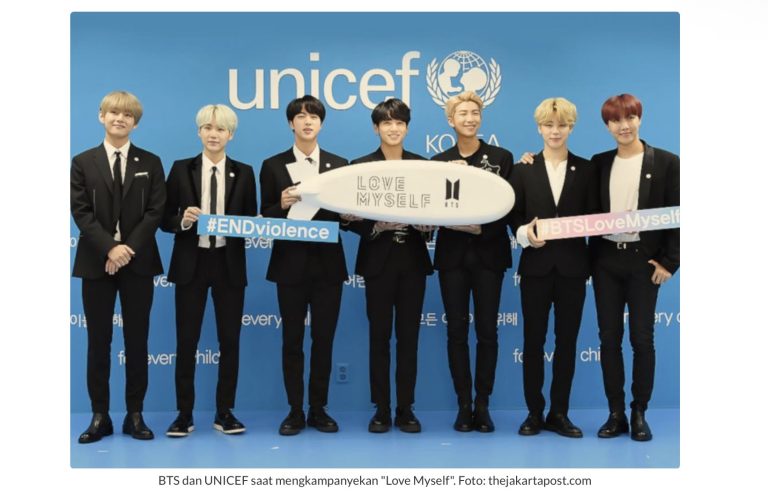
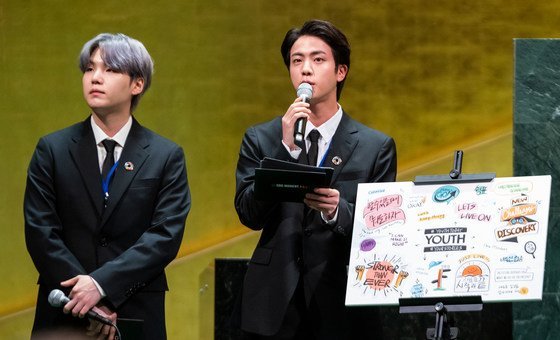
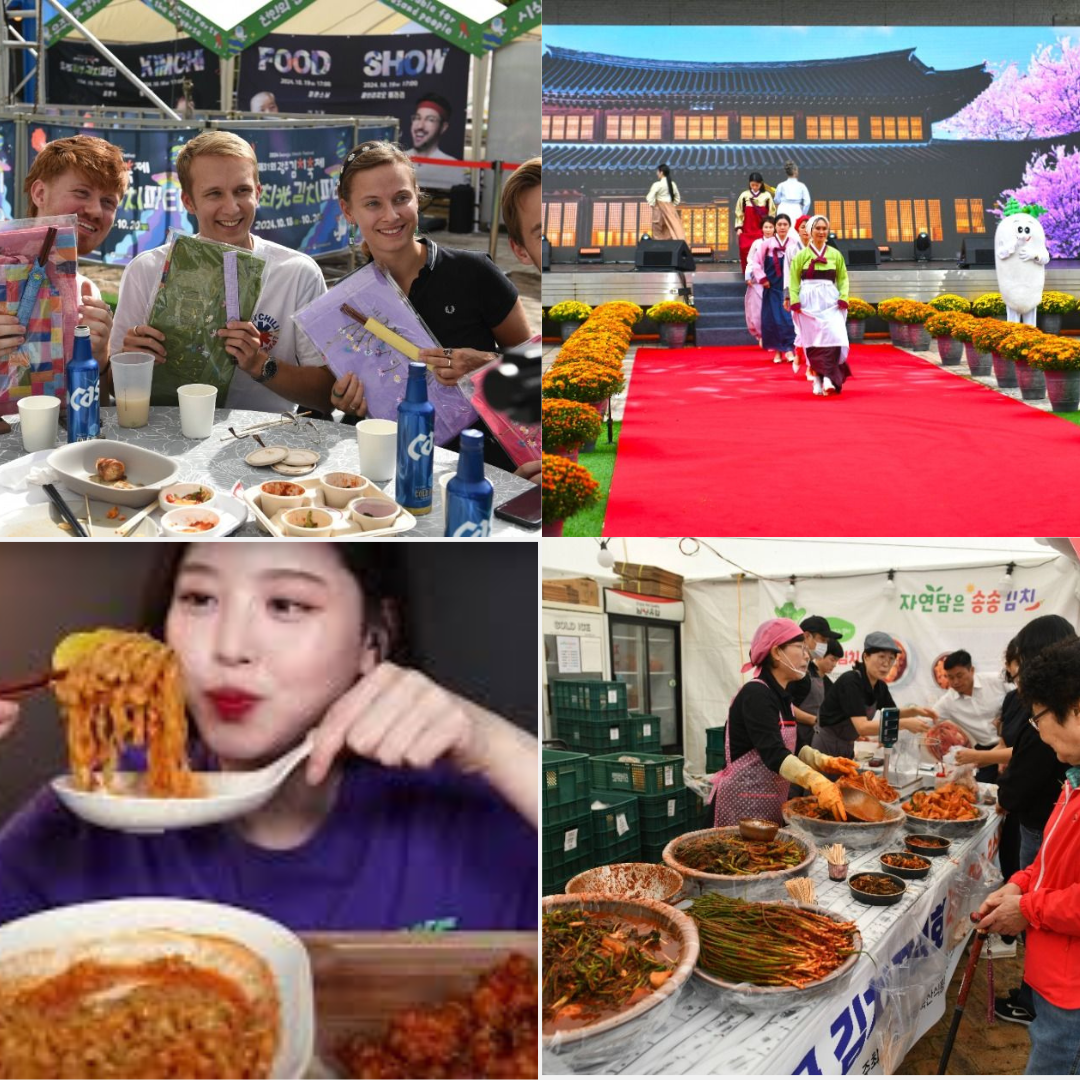
South Korea is currently known for its soft power diplomacy, especially in cultures such as K-pop, K-dramas, and fashion, but apart from these three famous things, there is also a soft power diplomacy of Korea that equally popular and no less popular, namely K-food. The current Korean food trend has mushroomed in various countries, one of which is Indonesia, foods such as Kimchi. Spicy Chicken Buldak Ramen or Rose Tteokbokki are the hallmarks of the famous K-food. The beginning of the popularity of Korean food was when Korean pop began to gain popularity on the global stage, fans flocked to be curious about the food eaten by their idols, along with other factors that make Korean food increasingly plunder the world food trend is when the YouTube video show known as ‘Meokkbang’ as known as eating broadcast, where YouTubers record themselves while eating. So, this Korean wave can be called South Korea’s effort in using gastrodiplomacy.
In South Korea diplomacy, especially in K-food, South Korea has adopted gastrodiplomacy, which is defined as the practice of using experience as a political tool for foreign relations and supporting the country’s image (Nihayati, A., Pertiwi, E., & Haripa,I. T. 2022). For example, the export potential of traditional South Korean food, Kimchi, in 2025 was reported to have the highest sales of $137.39 million (The Korea times, 2025). Kimchi is a traditional Korean food with a fermentation or preservation process because Korea was once hit by famine and poverty that required them to make food that could be stored for days (Kwon, DY., Soon-Hee, K., Chung, KR, 2023). With the expansion of the perspective, Korean gastrodiplomacy is not only about food but also a powerful tool for South Korea to develop its national image, In Addition to food, Korean-themed restaurants, instant food products, and tourist attractions have experienced a sharp increase in popularity, which, like a domino effect, has channeled appreciation for food into a broader appreciation of the country’s culture and values. Ultimately, South Korea benefits not only economically but also through diplomatic relations with other countries (Luthfiyana, A. 2025). For example, the Gwangju Kimchi Festival, which will be held in October 2026, will feature various kimchi varieties and a competition to find a kimchi master (VisitKorea, 2026). South Kores utilizes all diplomatic instruments with its culture, creating numerous collaborations with various countries. For example, Indonesia, which once held a festival related to K-food, plays a role in South Korea not only expanding its market, increasing exports, and developing the economy, but also strengthening ties between its citizens by uniting to introduce Korean food so that it can be recognized and traded.
South Korea’s gastrodiplomacy through K-food is a highly strategic soft power instrument for strengthening South Korea’s national image and diplomatic standing internationally. This phenomenon stems from the synergy between the popularity of K-pop and K-dramas, which sparked global curiosity, further fueled by digital trends like Mukbang content. By adopting gastrodiplomacy practices, South Korea uses culinary arts not merely as an export tool but also as a political tool to build international relations. K-food’s primary role in this regard is as a pathway for global audiences to learn about Korean historical values and identity, as in the case of Kimchi, which demonstrates the nation’s resilience in the face of past hardships. However, a more profound impact lies in the creation of cultural domino effect, whereby appreciation for food evolves into a widespread admiration for Korean values. Through international festivals and market adaptation, South Korea has successfully transformed cultural dependence into sustainable diplomatic influence. K-food serves as a communication tool that unites citizens worldwide. Lastly, the success of this gastrodiplomacy has strengthened South Korea’s international standing, enabling it to drive markets and win the hearts of international communities through its distinctive cuisine.
Writer: Sabianti Oktavia R. – 202410360110047
References
Kwon, D.Y., Soon-Hee, K., Chung, K.R. et al. Science and philosophy of Korea traditional foods (K-food). J. Ethn. Food 10, 26 (2023). https://doi.org/10.1186/s42779-023-00194-3
Kto, K. T. O. (2026). Gwangju Kimchi Festival (광주김치축제)- VISITKOREA. Gwangju Kimchi Festival (광주김치축제). https://english.visitkorea.or.kr/svc/contents/contentsView.do?menuSn=228&sContsTtl=&sort=bgngYmd&vcontsId=198450
Lutfiana, A. (2025). Culinary Diplomacy -How Korean Cuisine Shaped South Korea’s Image in Indonesia.
Nihayati, Arina & Pertiwi, Elyana & Haripa, Tri. (2022). The Analysis of South Korean Gastrodiplomacy Towards the Increases of South Korean Kimchi Export. Journal of World Trade Studies. 6. 53-66. https://10.22146/jwts.v6i2.3607.
Yonhap. (2025, November 23). Kimchi exports expected to hit all-time high in 2025: customs data. The Korea Times. https://www.koreatimes.co.kr/economy/20251124/kimchi-exports-expected-to-hit-all-time-high-in-2025-customs-data