
Image source: Instagram LIPI Indonesia
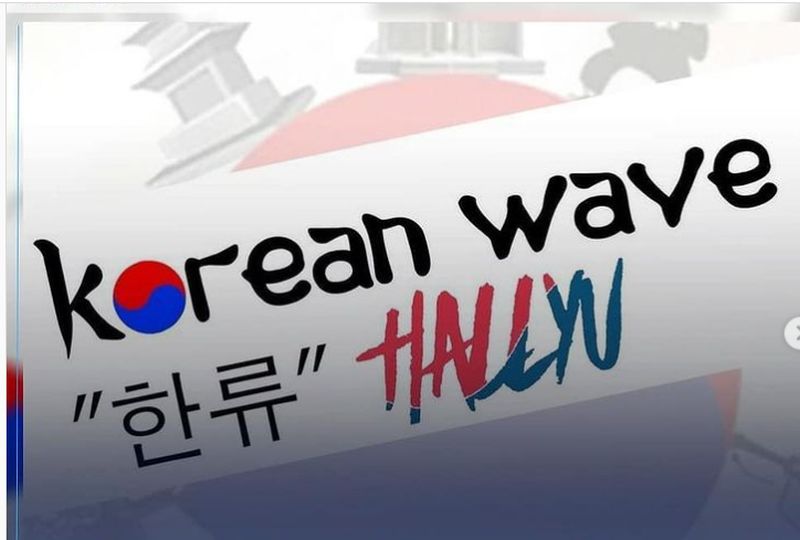
The Korean cultural wave, known as the Hallyu wave, has evolved into a global phenomenon that influences not only the entertainment industry, but also the economy, society, and culture. From K-pop music and Korean dramas to cuisine and fashion, K-Culture has successfully transcended geographical boundaries and introduced a new image of South Korea to the world. Behind this rapid growth lies a significant force, the role of the Korean cultural industry as a driver of the primary economy that bridges cultures across nations (Ardia, 2014). The central issue behind this rapid growth lies in the strategic role of the cultural industry as a primary driver of a primary economy capable of bridging identity gaps between nations. Since the 1997 monetary crisis, South Korea has consciously adopted a soft power strategy to revitalize its economic development. Through government support and the leverage of digital platforms, K-Culture has transitioned from a mere entertainment tool into a sophisticated instrument of cultural diplomacy, creating spaces for cross-border collaboration and fostering a more inclusive global society.
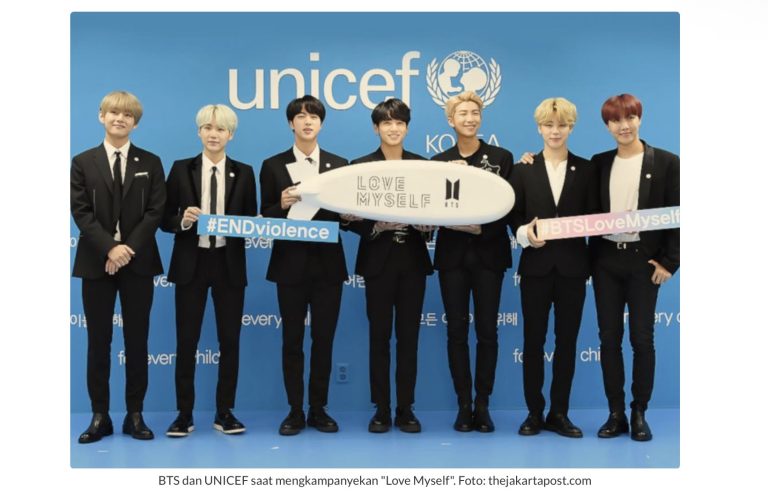
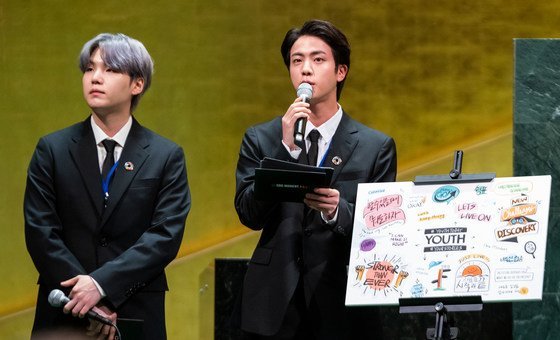
The K-Culture industry is not merely a form of entertainment, but a form of cultural diplomacy that expands South Korea’s global economic reach. The success of music groups such as BTS and BLACKPINK, for example, not only enhances the country’s reputation but also drives exports of Korean products ranging from cosmetics and food to technology. South Korea’s Ministry of Culture, Sports, and Tourism noted that the Hallyu Wave contributed 0.2% of South Korea’s GDP in 2004, or approximately USD 1.87 billion. And more recently, in 2019, Hallyu was estimated to have contributed USD 12.3 billion to the Korean economy (Roll. M, 2021). =This figure demonstrates just how significant the impact of culture is on a nation’s economic well-being. More than just economic figures, the K-Culture industry also opens up opportunities for cross-cultural interaction. This phenomenon creates a new multicultural environment where fans from various countries interact with one another, share values, and even learn the Korean language. Many foreigners ultimately choose to study, work, or even live in South Korea because they are inspired by its culture. As a result, Korean society, which was once homogeneous, is now increasingly open to diversity, although there are still some who reject these differences.
This phenomenon is no longer merely a cultural exchange; Korean entertainment companies now employ artists and staff from all over the world. K-pop groups like BLACKPINK, which includes members from Thailand and Australia, and one member of the group XODIAC who is from Indonesia, illustrate how the creative economy serves as a platform for authentic strategic collaboration to engage people far from Korea. On the one hand, this practice adds depth to Korean music and culture, but on the other hand, it fosters learning about cross-cultural cooperation within a highly competitive industry environment. In addition to government support, cross-border collaboration among entertainment companies has also been a key factor. Many Korean production companies have partnered with agencies from Japan, the United States, and even Indonesia to expand their markets. These collaborations not only boost economic value but also foster greater cultural diversity (Suryani, 2014).
In the digital age, the influence of K-Culture has grown significantly thanks to social media platforms such as YouTube, TikTok, and Spotify. These platforms enable the rapid spread of Korean culture while facilitating cross-cultural dialogue. Fans from various countries, including Indonesia, can interact and form a global community of like-minded individuals. This is clear evidence that a culture-based economy can foster a more inclusive society that values diversity. In addition to facilitating global interaction through digital platforms, K-Culture also makes a significant contribution to South Korea’s tourism industry. Many fans visit to explore the filming locations of popular dramas, K-pop museums, and regularly held music concerts. This phenomenon is known as cultural tourism, where travelers do not merely sightsee but seek to experience Korean popular culture firsthand. As a result, the number of international tourists has risen every year, opening new economic opportunities for local residents in the hospitality, food, and related creative industries. Therefore, the Hallyu Wave not only expands the reach of culture but also strengthens the domestic economy through culture-based tourism.
In short, the Hallyu Wave has definitively proven to be much more than a fleeting entertainment trend; it is the cornerstone of South Korea’s highly effective soft power strategy. By deliberately transforming its cultural industry into a primary economic driver, South Korea has successfully achieved remarkable financial milestones, evidenced by billions of dollars in GDP contributions, surging cross-sector exports, and a thriving cultural tourism sector. Beyond the economic metrics, K-Culture acts as a powerful catalyst for global multiculturalism. Through strategic international collaborations, the inclusion of multinational talents in the industry, and the widespread use of digital platforms, South Korea has created a borderless and inclusive community of global citizens. Ultimately, this phenomenon demonstrates that when leveraged strategically, a nation’s creative economy can transcend geographical boundaries, simultaneously enriching its domestic prosperity and establishing a lasting diplomatic legacy on the world stage.
Writer: Palmeda Hersa Putra Abistha – 202410360110111
References:
Ardia, V. (2014). DRAMA KOREA DAN BUDAYA POPULAR. Jurnal Komunikasi, Volume 2, Nomor 3, 12-18.
Citra Hennida, R. A. (2017). Budaya dan Pembangunan Ekonomi di Jepang, Korea Selatan dan China. Global & Strategis, Th.10, No.2, 248 – 256.
Suryani, N. P. (2014). Budaya dan Pembangunan Ekonomi di Jepang, Korea Selatan dan China. GLOBAL Vol. 16 No. 1, 69-83.
Sari, I. C., & Jamaan, A. (2014). Hallyu sebagai fenomena transnasional. Jurnal Online Mahasiswa (JOM) Bidang Ilmu Sosial dan Ilmu Politik, 1(2), 1–14.
Roll, M. (2021, October). Korean wave (Hallyu) – The rise of Korea’s cultural economy & pop culture. Martin Roll. https://martinroll.com/resources/articles/asia/korean-wave-hallyu-the-rise-of-koreas-cultural-economy-pop-culture/