
Image source: Google
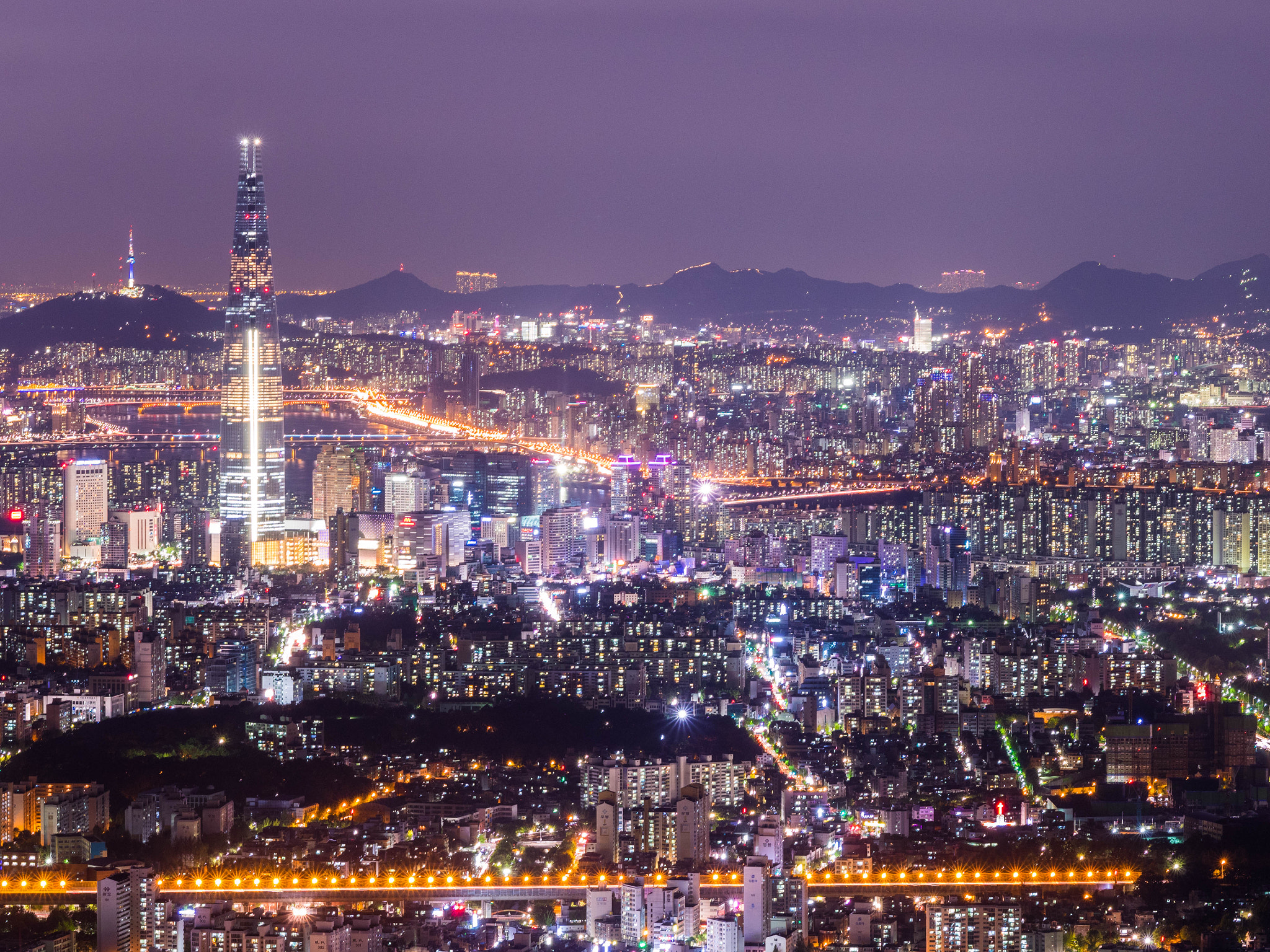
South Korea is widely recognized today as a developed and influential country but its progress to this position is complicated. After the Korean War, South Korea was one of the poorest countries in the world. Nonetheless, its transformation into a developed country with strong economic and cultural influence within a few decades is remarkable. This shift was carried out through the policies such as from Segyehwa to the concept of ‘Global Korea’. It is not only about economic improvement but also about how South Korea establish its identity in the international system. Particularly, it concerns with the concept of ontological insecurity which refers to a state’s uncertainty about its identity and role in the world (Giddens, 1991). This essay will address this issue, discuss why it is important and contribute an analysis using international relations concepts.
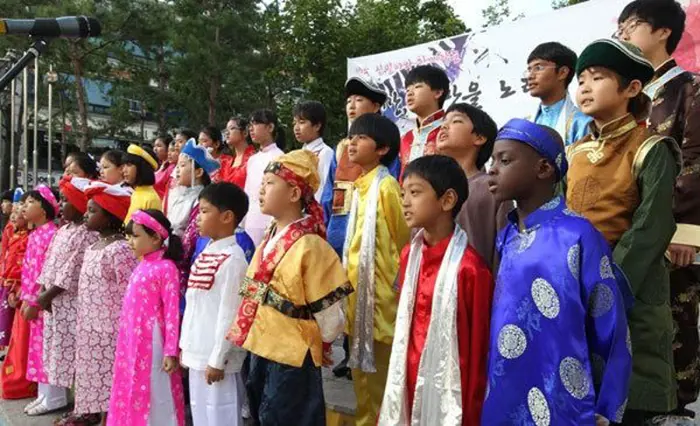
In the 1990s, President Kim Young-Sam introduced the policy of Segyehwa and focused on globalization by opening its markets, expanding trade and becoming more engaged with international institutions. The major purpose was to enhance the country’s global competitiveness and reputation. During the period of president Lee Myung Bak, this purpose was developed into the concept of ‘Global Korea’. It inspired South Korea not only to involve in international affairs but also to actively support to them. For instance, the country conducted major global events, raised contributions to its foreign aid program and publicized its culture globally through K-pop, films and television dramas.
These attempts are shaped by the concept of ontological insecurity. According to Giddens (1991), ontological security is the need for a stable sense of identity. This has made South Korea difficult because of the experiences such as Japanese colonization, the Korean War and continuing tensions with North Korea. The insecurity about its national identity and long-term future was generated by these facts. Consequently, the country has participated more actively and visibly in the international institution in order to strengthen its identity. Through this aspect, it intends to express itself as a stable, modern and recognized country.
This point is crucial because it helps understand why South Korea contributes hugely to global community. For example, it cooperates with the United States not for only security protection but also for adjusting itself with a stable and powerful global system. Furthermore, South Korea endorses its culture universally so that its global image and soft power were strengthened. The progress of companies such as Samsung also promotes its positive image. Through these efforts, South Korea not only attains recognition but also develops national confidence. Hence, its regulated global strategy is not just about advancing power but also about establishing the stable identity.
From my point of view, South Korea has achieved enormous success in tackling its ontological insecurity, despite some challenges still exist. Through an advantageous standpoint, it is now considered a developed and influential country. Moreover, since its cultural products are well-known globally and its role in international organizations is significant, it is understandable that its strategies of globalization and identity-building have been effective despite some issues still affect its sense of security. The most important challenge is the ongoing tension with North Korea; this situation creates a security dilemma in which both sides feel threatened expanding their military strength which causes greater instability rather than peace.
According to an international relations theory such as liberalism and constructivism, South Korea’s strategy can be considered. Liberalism emphasizes on cooperation, global institutions and economic interdependence. South Korea practices this approach by actively participating in international organizations and building strong economic relationships with other countries (World Bank, 2020). On the one hand, constructivism focuses on the importance of identity, norms and opinions. South Korea’s efforts to promote its culture and improve its global image reflect this perspective (Wendt, 1999). The country is not only responding to external threats, but also actively constructing its identity and shaping how it is perceived in the international system.
In conclusion, South Korea’s transformation from Segyehwa to “Global Korea” represents how a country can utilize globalization to tackle deeper issues such as identity and insecurity. Even though challenges still remain particularly in relation to North Korea, South Korea has kept significant progress in establishing a strong global presence. Overall, South Korea’s experience illustrates how countries struggle to balance both physical and psychological security in global relations.
Writer: May Phyo Aung (EMPM Student in Universitas Muhammadiyah Malang)
References
Anthony Giddens
Giddens, A. (1991). Modernity and self-identity: Self and society in the late modern age. Stanford University Press.
Alexander Wendt
Wendt, A. (1999). Social theory of international politics. Cambridge University Press.
World Bank
World Bank. (2020). World development report 2020: Trading for development in the age of global value chains. World Bank Publications.
https://en.wikipedia.org/wiki/List_of_tallest_buildings_in_South_Korea