
Imgae source: Pinterest
Introduction
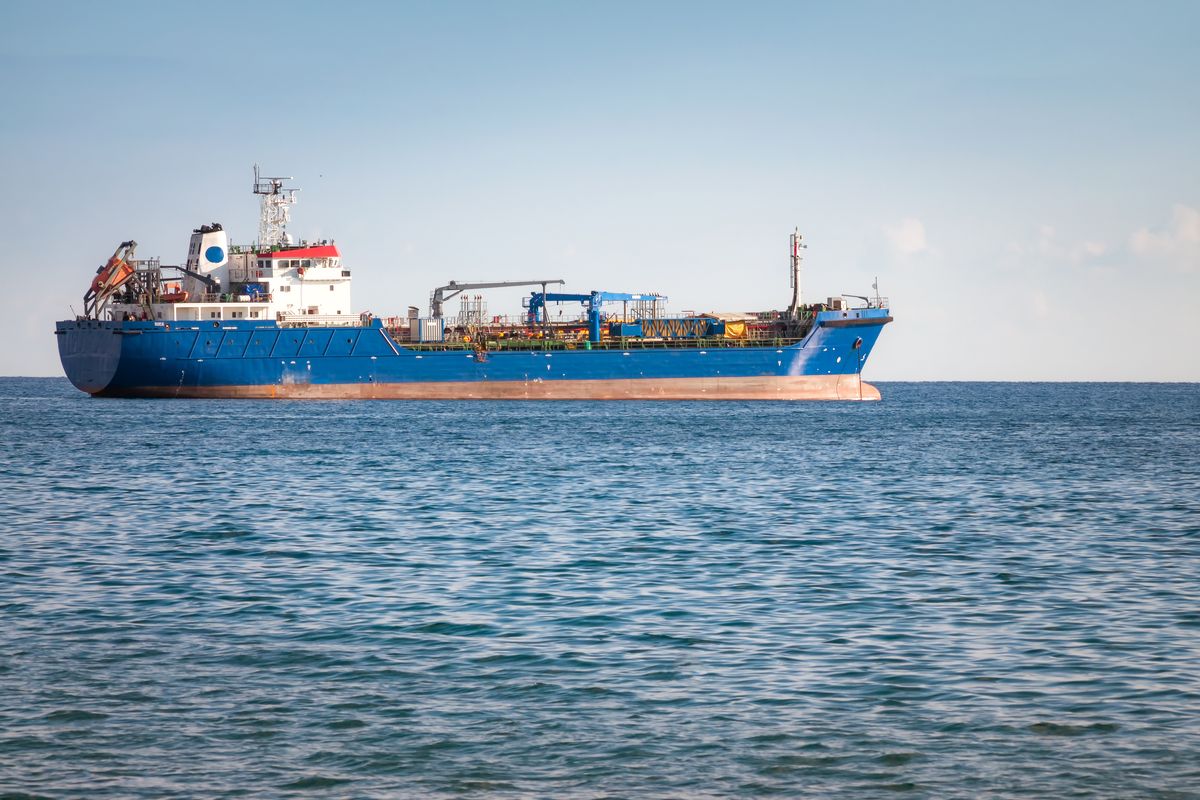
The blockade of Hormuz Strait shows a significant impact toward the global oil distributions, where this starit holds around 27% of the world’s crude palm oil and other petroleum products, also control around 20% of liquified natural gas (LNG) expeditions (Congress.Gov, 2026). Additionally, South Korea as a prominent manufacturing state must find a way out toward this issue to keep the balance of the domestic socio-economic condition. Moreover, the pressure from the domestic actors like the parliamentary and the societies toward the energy security give an additional strain toward the government to make a quick, yet effective response to maintain the domestic stability. This article examines how the South Korean government responds these pressures by engaging in international bargaining to secure oil imports amid pressure from domestic actors (Putnam, 2019).
Discussion
The Hormuz Strait’s blockade by Iran is Utilized due to giving pressure to the US’s alliances, such as South Korea through their geopolitical power in responding the 2026’s Israel-US invasion (Globalnews.Ca, 2026). The relliance toward this strait’s trade route, which control around South Korea’s 70% of raw oil import (1,7 milion barrels per day) treats this state’s energy security (Hormuz Crisis Forces Japan, South Korea to Rethink Strategy, 2026). South Korea may face not only energy crisis, but it will affect also to the domestic economy, which may occur a great inflation through the commodities’ rising prices. To prevent this possibility, South Korean government already made some strategic responses.
To response the energy crisis, South Korea released the largest amount of strategic petroleum reserves (SPR) in its history with the total around 22.46 million barrels from March 2026. This is a significant contribution in stabilizing the world oil’s price by contributing around 5,6% from International Energy Agency (IEA)’s global action that released the total amount of 400 million barrels globally. Moreover, in optimizing this move, South Korean government also executed the “Swap” mechanism since April 2026, which allows domestic refineries to borrow from government’s oil stock for a quick processing, with the responsible to return the petroleum in the same volume after the commodity from alternative routes arrived in the harbor (S&P Global, 2026).
Additionally, the South Korean Ministry of Economy and Finance implemented set of emergency measures in protecting their domestic stability through fuel tax cut by 27 March 2026, that lower the taxes on gasoline by 15% and solar by 25%. In detail, this policy succeed to decrease the gasoline price from 1.934 per liter to 1.724 won per liter and the solar from 1.923 won per liter to 1.713 won per liter, which prevent the possibility of inflation. (KBS WORLD Indonesian, 2026). By maintaining the price of gasoline, the government succeed to maintain the whole products and services price rates and protecting the people’s purchasing power to keep the running of economic cycle.
Moreover, South Korea succeed to seek for alternative oil exporter states, which reduce their dependence on oil expeditions from Hormuz’s route from 69% to 56%. It added several states as their new trading partner to stabilize their domestic condition, such as Brazil, Ecuador, Kazakhstan, Algeria (The Korea Herald, 2026). This pragmatic response shows the capability of South Korean government in finding an alternative way for the domestic oil supply needs, while also try to strengthen its relation toward other states. Even though South Korea found new partners in oild trade sector, they still have to actively negotiate with Iran to escape from this crisis.
Conclusion
The Hormuz Strait’s blockade by Iran creates a complex two level game tension for South Korea, where the government have to maintain the international geopolitics’ pressure that have a significant effect toward the domestic stability. As a prominent manufacturing state that is relying on energy supply, South Korea succeed to response in pragmatic war through the combination of both domestic and foreign policies. Domestically, the release of strategic petroleum reserves (SPR) with amount of 22,46 million barrels, the establishment of emergency swap policy, also the petroleum tax cut that is proven to reduce the inflation and protecting citizens’ purchasing power and increasing the win-set from the government. Additionally, diversification of trading partners like Brazil and Kazakhstan succeed to reduce the dependence toward the Hormuz Strait’s route from by 13%. However, South Korea still have to negotiate with Iran to get a long-term effectivity in securing energy supplies, even though they made several wise responses already.
Writer: Adhi Kumara Jagadhita – 202410360110022
References
Hormuz crisis forces Japan, South Korea to rethink strategy. (n.d.). Retrieved May 1, 2026, from https://www.dw.com/en/strait-of-hormuz-iran-war-japan-south-korea-shipping-trade-energy-gas-oil/a-76881461
Iran Conflict and the Strait of Hormuz: Impacts on Oil, Gas, and Other Commodities | Congress.gov | Library of Congress. (n.d.). Retrieved May 1, 2026, from https://www.congress.gov/crs-product/R45281
Pemerintah Korsel Turunkan Pajak Bahan Bakar Mulai 27 Maret l KBS WORLD Indonesian. (n.d.). Retrieved May 1, 2026, from https://world.kbs.co.kr/service/news_view.htm?lang=i&Seq_Code=81037
Putnam, R. D. (2019). Two-level games: The impact of domestic politics on transatlantic bargaining. In America and Europe in an Era of Change (pp. 69-83). Routledge.
Korea secures 74.6m barrels of oil for May, reduces Middle East reliance – The Korea Herald. (n.d.). Retrieved May 1, 2026, from https://www.koreaherald.com/article/10725144
South Korea to release record 22.46 million barrels of oil reserves in emergency action | S&P Global. (n.d.). Retrieved May 1, 2026, from https://www.spglobal.com/energy/en/news-research/latest-news/crude-oil/031126-south-korea-to-release-record-2246-million-barrels-of-oil-reserves-in-emergency-action
Why Iran is using passage through Strait of Hormuz as geopolitical ‘ransom’ – National | Globalnews.ca. (n.d.). Retrieved May 1, 2026, from https://globalnews.ca/news/11733167/iran-ships-strait-of-hormuz/