
Image source: Google
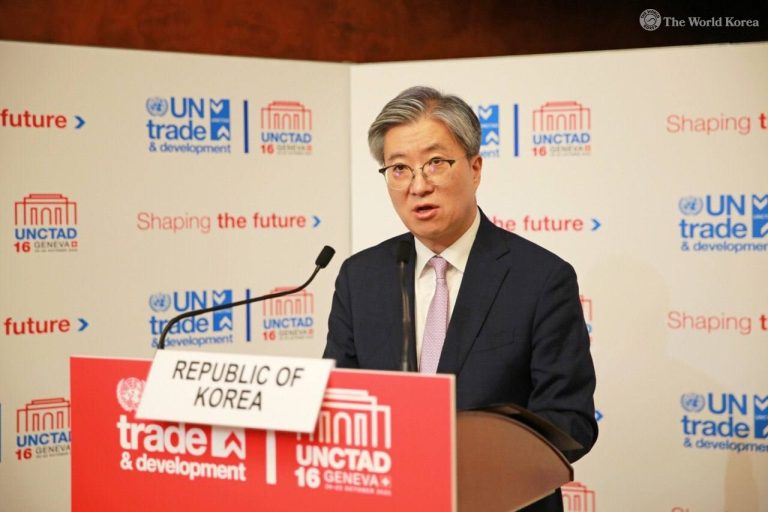
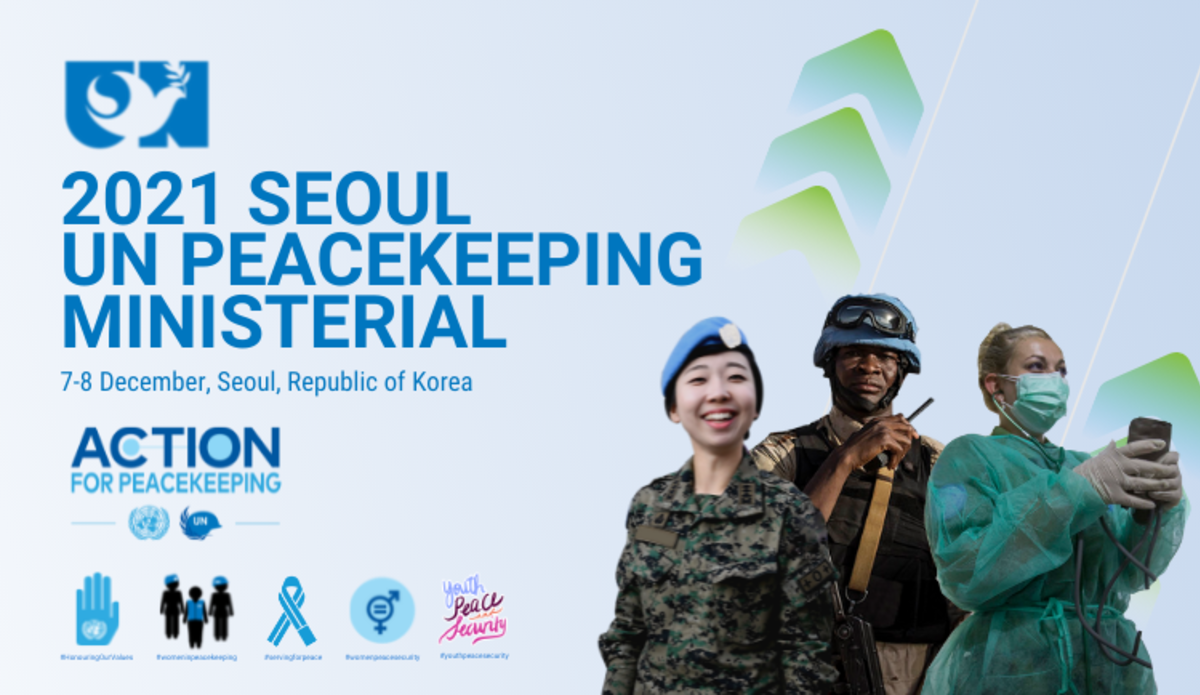
For about 100 years, South Korea was known as a ‘Hermit State’ in the Josean Dynasty peninsula, long before it was divided into South and North Korea. South Korea has actively begun to build and raise its image on the international stage, especially through global institutions such as United Nations in Hanbit Unit and the new initiative like Action for Peacekeeping (A4P). The peacekeeping movement was born in March 2018 by UN Secretary General António Guterres on the Action for Peacekeeping as known as A4P initiative to improve peacekeeping operations. South Korea contributes to world peace by sending approximately 1,038 troops as of November 2020 to 14 different regions, such as Lebanon and South Sudan, South Korea has joined for UN peacekeeping operations since its briefing in 1993 in Somalia (Yun, J., and Jo, Y. 2022). In addition to acting as peacekeepers aside from military implementation, it also take advantage of other aspect to protect civilians that is when the British Engineer Task Force collaborates with the Republic of Korea (ROK) UNMISS military forces in Bor, for the need to maintain medical hygiene standards in UNMISS hospital upgrade project in South Sudan (Thompson, K.M. 2026). South Korea once again demonstrated its success on the global stage when Seoul was chosen as the venue for the UN Peacekeeping Ministerial Meeting, on December 7 to 8, 2021. The conference is set to take place at a time of increasing pressure on peacekeeping operations (Forti., D. 2021), this conference also highlighted medical and technology capacity building in peacekeeping as an important cross-cutting issue (UN, 2021).
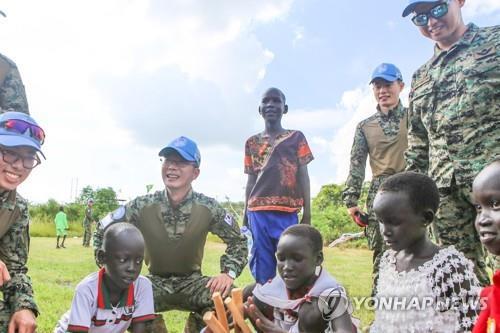
Image source: Yonhap News
South Korea’s active participation in UN peacekeeping missions, through the Hanbit Unit in UNMISS and the Action for Peacekeeping (A4P), has become a crucial and pressing issue in the dynamics of international security, they received an official gratitude from UN Peacekeeping in May which was uploaded on the official UN Peacekeeping website. This is what makes South Korea’s role so crucial, emphasizing that security not solely achieved through military force but also through infrastructure development and public health standards. Seoul’s success in integrating medical technology and innovation, as discussed at the 2021 UN Peacekeeping Ministerial Meeting, demonstrates that a country’s contribution is no longer measured by the number of weapons, but rather by the effectiveness of the solutions offered, with a priority on protecting civilians. South Korea appears to have adopted the Middel Power concept by positioning itself as a bridge between large UN member states and developing countries. By acting as a peacekeeping force, South Korea has proven itself worthy by being active and responsive to issues, particularly the issue of South Sudan. In its liberal institutionalism, South Korea views the UN as an instrument to strengthen its international role while simultaneously achieving national interests through multilateral cooperation. South Korea promotes the value of multiculturalism through the Hanbit Unit stationed in South Sudan, and when the South Korean capital was used as the venue for the UN Peacekeeping Ministerial Meeting in 2021, it made South Korea as successful example of multiculturalism in the international arena.
The issue of South Sudan is crucial, but compared to many issues in other countries, it has received little attention, even though it is a major concern for South Korea and the UN. When South Korea deploys thousands of personnel to conflict zones such as South Sudan and Lebanon, they are actually investing in the stability of the international system. South Korea’s role as a peacekeeper is evident in its military deployment in South Sudan and its assistance in hospital upgrades, which have significantly impacted efforts to achieve peace and maintain the health and safety of civilians. Ultimately, South Korea has proven that true strength in the 21st century lies not only in the ability to win wars, but also in the ability to build and maintain sustainable peace.
Writer: Sabianti Oktavia R. – 202410360110047
References
Forti, D., (2021). The Road to Seoul: Previewing the 2021 UN Peacekeeping Ministerial.
Republic of Korea. (2019). United Nations Peacekeeping. https://peacekeeping.un.org/en/republic-of-korea
Seoul UN Peacekeeping Ministerial. (2021). United Nations Peacekeeping. https://peacekeeping.un.org/en/2021-seoul-un-peacekeeping-ministerial
Thompson, K., (2026). UNMISS hospital upgrade project in South Sudan: A case of responsible project management. In Sage Business Cases. SAGE Publications, Ltd., https://doi.org/10.4135/9798348846169
Wigell, M. Conceptualizing regional powers’ geoeconomic strategies: neo-imperialism, neo-mercantilism, hegemony, and liberal institutionalism. Asia Eur J 14, 135–151 (2016). https://doi.org/10.1007/s10308-015-0442-x
Yun, J., & Jo, Y. (2022). A Study on Implementation Plan for the South-North Korean Unification and Security Strategy. International Journal of Military Affairs, 7(1), 1-10. dx.doi.org/10.22471/military.2022.7.1.01