
Image source: Pinterest
In the current dynamics of international relations, a country’s power is not always measured solely by its military or economic strength. A country’s power can be viewed in a more nuanced way through its ability to attract the attention and sympathy of other nations. This concept, known as “soft power,” was first introduced by Joseph Nye. Nye argues (2008) that soft power is a nation’s ability to influence others through the appeal of its culture, values, or policies—rather than through coercion. In recent years, South Korea has emerged as a successful example of leveraging soft power through cultural diplomacy, particularly through the phenomenon known as the Korean Wave (Hallyu).
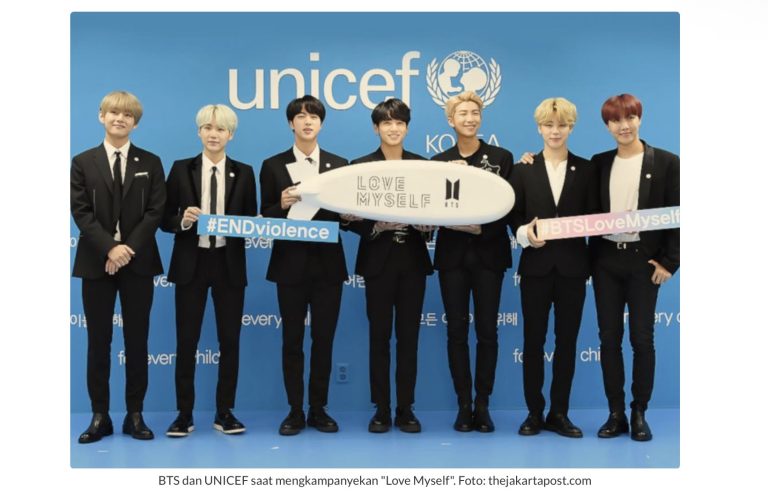
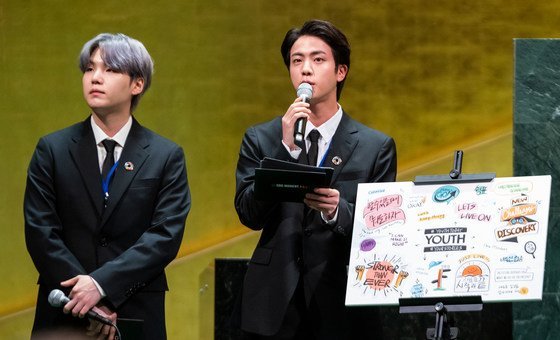
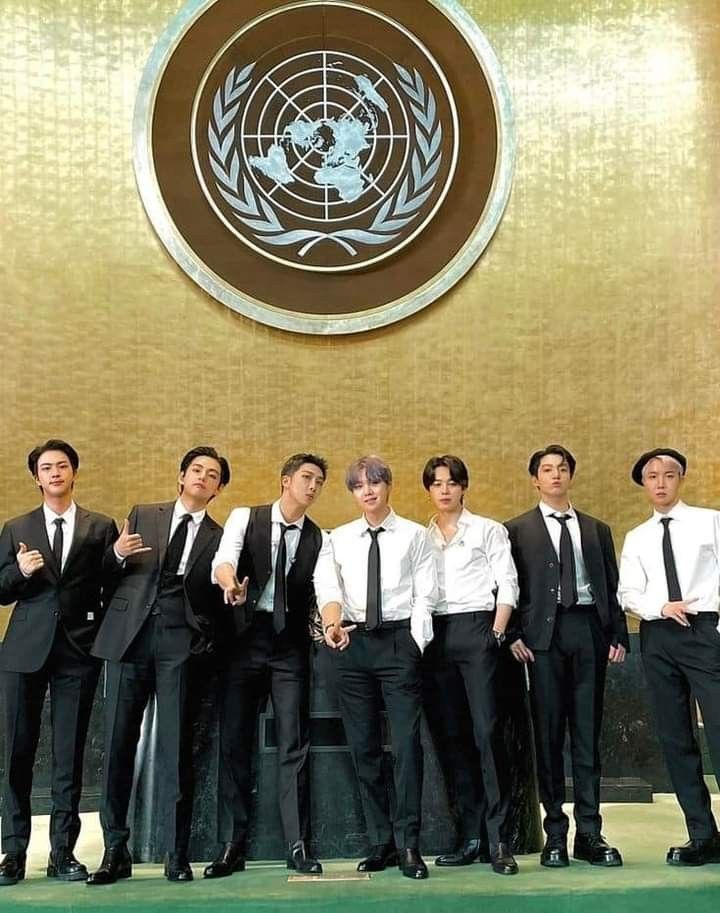
The Korean Wave phenomenon, commonly referred to as Hallyu, refers to the rising global popularity of South Korean culture spreading across various countries worldwide (Kim, 2022). The Korean Wave began to gain traction in Asia in the late 1990s; however, with the development of the internet and the digital world, South Korean culture has frequently been discussed across the globe (Srinivas, 2021). Today, aspects of Korean culture—such as music, dramas, films, and lifestyle—have become part of the world’s popular culture (Bassini, 2025). This phenomenon is also empirically evidenced by the group BTS, which frequently engages in cultural diplomacy, including delivering a speech at the UN regarding the importance of empowering the younger generation.

Image source: Pinterest
From the perspective of international relations, the Korean Wave phenomenon demonstrates how the concept of soft power can be applied in modern diplomacy. South Korea has successfully built an image as a modern, creative, and innovative nation through the dissemination of its culture. Its reputation on the international stage has continued to grow thanks to this positive image, which has also strengthened South Korea’s influence on the global stage (Kim, 2022). Thus, Korean culture is not merely entertainment but also serves as a crucial instrument in shaping international relations and expanding a nation’s influence.
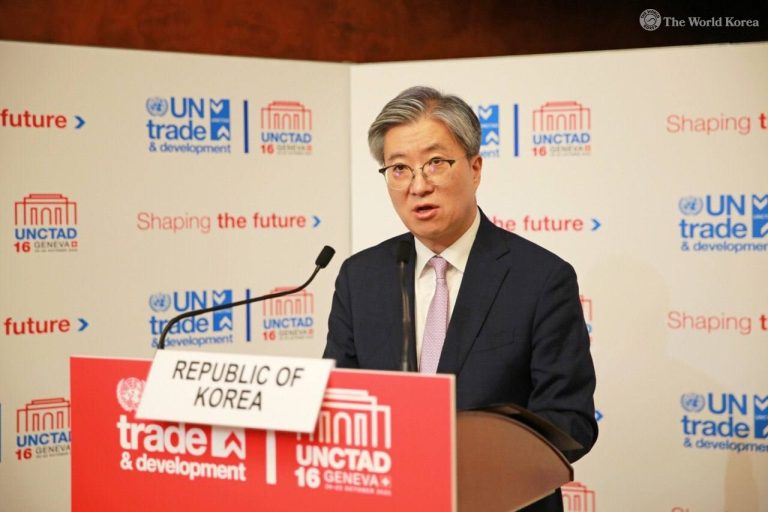
South Korea’s cultural diplomacy is also considered successful due to the roles of various actors, ranging from state actors to non-state actors. The dissemination of this national culture is further aided by government participation through policies aimed at promoting South Korean culture abroad (Gunawan, 2024). On the other hand, non-state actors such as entertainment companies, the media industry, and artists also play a crucial role in spreading culture through the production and distribution of content that resonates with the global market (Gunawan, 2024). The popularity of groups like BLACKPINK and artist Lee Min-ho further expands the reach of South Korean culture through dramas, music, and social media. The epic collaboration among these various actors creates a network that makes South Korean culture accessible to a broad international audience. This demonstrates how diplomacy is not only achieved through inter-state relations but can also be facilitated through cultural interaction and global communication in the modern era.
The Korean Wave, or Hallyu, has not only had a cultural impact but has also brought benefits to South Korea’s economic and political sectors (Sunyogita, 2024). Many local Korean products, such as Samsung, Hyundai, and various cosmetics, are gaining increasing popularity in the global market due to the popularity of K-dramas, K-pop music, and films produced in South Korea. This has led to an increase in visitors to tourist destinations in South Korea (Sunyogita, 2024). On the other hand, South Korea has also become a global lifestyle hub, as evidenced by the wide variety of clothing styles, makeup trends, hairstyles, and more.
In my opinion, South Korea’s success in leveraging cultural diplomacy demonstrates that soft power is becoming increasingly important in contemporary international relations. Although military and economic power remain crucial factors in global politics, the ability to garner sympathy and build a positive image also plays a highly significant role. South Korea has successfully demonstrated that a country with relatively limited territorial size and military strength can still wield substantial global influence through effective cultural strategies.
In conclusion, South Korea’s cultural diplomacy through the Korean Wave serves as a concrete example of how soft power can be utilized as a tool to enhance international influence. Through music, films, dramas, and various other cultural products, South Korea has successfully expanded the reach of its influence while building a positive image in the eyes of the global community. This phenomenon demonstrates that culture can serve as a strategic source of strength in a nation’s foreign policy. In an era of globalization and rapidly advancing digital communication, South Korea is likely to continue maintaining its position as one of the most influential soft power forces in the world.
Writer: Maulana Fareid – 202410360110146
References
Gunawan, I. (2023). Korean cultural diplomacy: Uniting society through soft power. Jurnal Info Sains: Informatika dan Sains.
Nye, J. S. (2008). Public diplomacy and soft power. The Annals of the American Academy of Political and Social Science, 616(1), 94–109.
Sunyogita, S. (2024). Harnessing cultural soft power: A study of South Korea’s global influence through the Korean wave. Asian Journal of Language, Literature and Culture Studies.