

Image source: Google
South Korea has become one of the most influential cultural powers in the world through the spread of its popular culture, often referred to as the “Korean Wave” or Hallyu. Cultural products such as K-pop music, Korean dramas, films, and fashion have reached global audiences and significantly enhanced South Korea’s international image. This phenomenon represents a strong example of soft power, a concept introduced by Joseph Nye, which refers to the ability of a country to influence others through attraction rather than coercion or force. Through culture, values, and public diplomacy, a country can build a positive reputation and increase its influence in global affairs.
The rise of South Korea’s cultural diplomacy began in the late 1990s and early 2000s when Korean dramas and music started gaining popularity across Asia. Television dramas such as Winter Sonata attracted a large fan base in countries like Japan and China, marking the beginning of the Korean Wave. Over time, the global success of K-pop groups and internationally acclaimed Korean films further strengthened South Korea’s cultural presence. Cultural products not only entertain audiences but also introduce Korean language, lifestyle, food, and values to the global community. As a result, many people around the world develop a positive perception of South Korea and become interested in its culture.
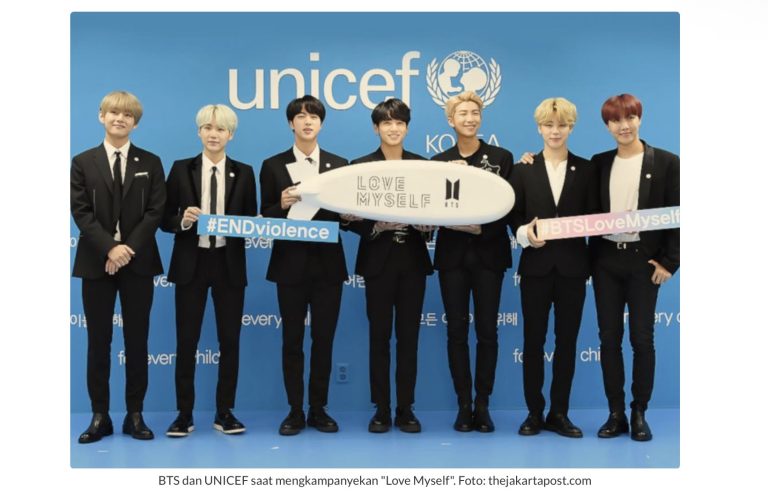
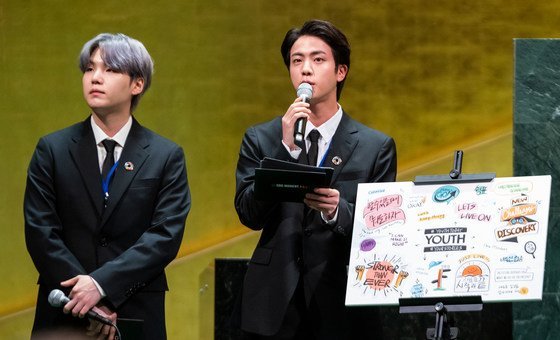
In recent years, the influence of Korean culture has expanded even further due to digital technology and global media platforms. Social media, streaming services, and video platforms have allowed Korean music and dramas to reach international audiences quickly and efficiently. K-pop artists such as BTS and BLACKPINK have gained millions of global fans and have performed in major international events and concerts around the world. Similarly, Korean films and series have gained global recognition, including the international success of films such as Parasite, which won several prestigious awards. These achievements demonstrate how South Korea has successfully utilized cultural products to expand its cultural influence on a global scale.
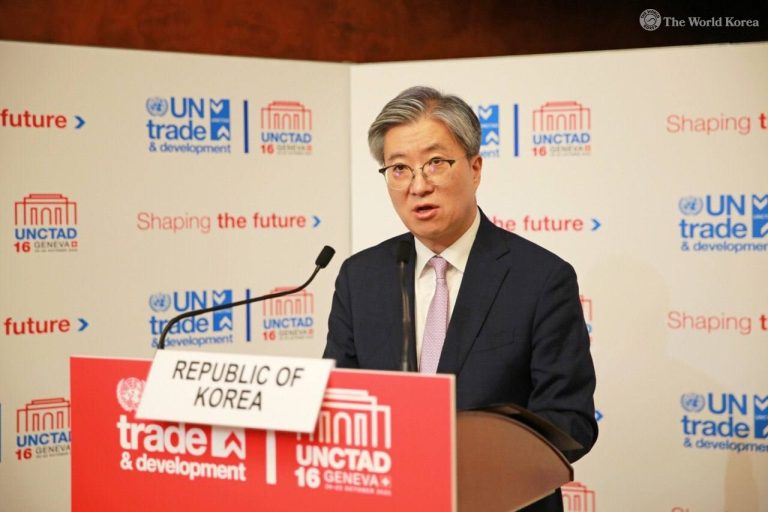
From the perspective of international relations theory, soft power plays an important role in shaping a country’s influence in the international system. Unlike military or economic power, soft power works through attraction and persuasion. When people admire a country’s culture, values, or lifestyle, they are more likely to view that country positively and cooperate with it. South Korea’s government has actively supported cultural industries and cultural diplomacy through institutions such as cultural centers, international cultural events, and support for creative industries. This strategy allows South Korea to strengthen its national image and expand its influence globally.
The South Korean government has also implemented policies that encourage the growth of its entertainment and creative industries. Government agencies provide funding, training, and international promotion for cultural products. Korean cultural centers established in many countries promote Korean language classes, cultural festivals, and exhibitions. These initiatives help introduce Korean culture to international audiences and strengthen people-to-people connections between South Korea and other countries.
The global popularity of Korean culture has also produced economic benefits. For example, tourism to South Korea has increased as many international fans visit filming locations of famous dramas or attend K-pop concerts. Korean food, fashion, and cosmetics have also gained international recognition, contributing to the country’s economic growth. Many international consumers are interested in Korean beauty products, technology, and lifestyle trends because they are influenced by Korean celebrities and media.
This shows that cultural diplomacy can support both political and economic interests.
In addition, South Korea uses cultural diplomacy to build stronger international relationships. Cultural exchanges, international concerts, film festivals, and educational programs help create mutual understanding between South Korea and other countries. Through these activities, South Korea can promote dialogue, cultural appreciation, and international cooperation. This approach aligns with liberal international relations theory, which emphasizes cooperation, interdependence, and the importance of cultural interaction in global politics.
However, despite its success, South Korea also faces challenges in maintaining the sustainability of the Korean Wave. Cultural trends change quickly, and competition from other global entertainment industries continues to grow. The government and entertainment companies must continue to innovate and adapt to new global audiences. Additionally, issues such as cultural fatigue, market saturation, and political tensions in the region could affect the spread of Korean culture. Therefore, South Korea needs to continue investing in creative industries and cultural innovation to maintain its global cultural influence.
In conclusion, South Korea’s use of soft power through cultural diplomacy has significantly strengthened its position in global politics and culture. By promoting K-pop, films, dramas, and cultural exchange programs, South Korea has successfully enhanced its national image, expanded its international influence, and generated economic benefits. The Korean Wave demonstrates how cultural attraction can become a powerful tool in international relations and global development. As globalization continues to increase cultural interactions among nations, South Korea’s experience shows that culture can serve as an effective bridge for diplomacy, cooperation, and international engagement.
Writer: Cut Faiza Dzikrillah – 202410360110128
References
Nye, J. S. (2004). Soft power: The means to success in world politics. Public Affairs.
Kim, Y. (2013). The Korean wave: Korean media go global. Routledge.