

Image source: Pinterest
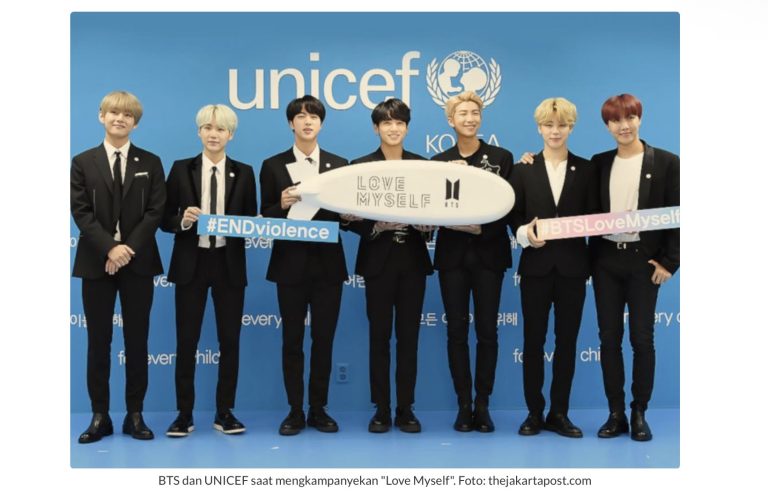
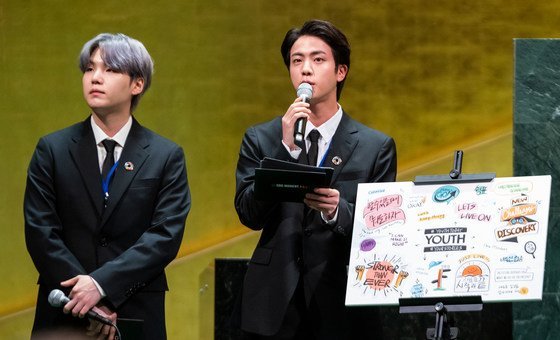
Globalization has brought significant changes to many aspects of human life, including the spread of culture across countries. In recent decades, South Korea has attracted global attention through the phenomenon known as the Korean Wave (Hallyu), which refers to the spread of South Korean popular culture such as K-pop music, Korean dramas, films, and various other cultural products. This phenomenon demonstrates how culture can transcend geographical boundaries and influence societies around the world. The popularity of K-pop artists, the international success of Korean films, and the increasing global interest in Korean cuisine and lifestyle indicate that South Korean culture has become part of global popular culture. According to Martin Roll, the development of the Korean Wave is part of a successful strategy that enhances South Korea’s global image while strengthening the country’s creative industries (Roll, 2021).
The spread of South Korean culture can be understood through the concept of soft power introduced by Joseph S. Nye Jr. In this theory, a country’s power is not determined solely by military or economic capabilities, but also by the attractiveness of its culture, values, and policies that can influence other countries voluntarily (Nye, 2004). Through popular cultural products such as K-pop, films, and Korean dramas, South Korea has successfully built strong cultural appeal among international audiences. The global interest in these cultural products indirectly creates a positive image of South Korea as a creative, modern, and innovative country. This positive image also facilitates South Korea’s international relations, as other countries tend to be more open to cooperation with nations that possess strong cultural appeal. Therefore, the spread of popular culture can serve as an effective form of cultural diplomacy in expanding a country’s influence at the global level.
One important factor behind the spread of the Korean Wave is the growing popularity of Korean dramas in many countries. Korean dramas not only provide entertainment but also present cultural values, lifestyles, and the identity of Korean society that attract international audiences. Through engaging storylines and high-quality production, Korean dramas are able to create emotional connections with global viewers. This makes Korean dramas an effective instrument of cultural diplomacy in introducing Korean culture to the international community. According to Martin Roll, the development of South Korea’s entertainment industry is part of a national strategy to enhance global competitiveness through the creative economy. Research by Sari (2025) also shows that the popularity of Korean dramas as part of the Hallyu phenomenon contributes to strengthening South Korea’s international relations while encouraging economic growth through increased consumption of cultural products and tourism.
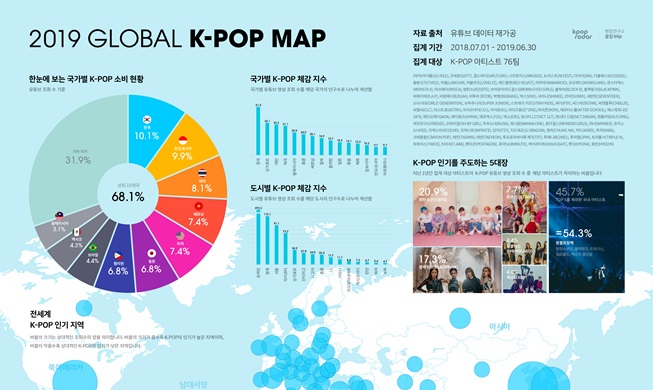
In addition to influencing popular culture, the Korean Wave has also produced broader impacts on South Korea’s global image and economy. The popularity of Korean culture has increased international interest in various Korean products such as food, cosmetics, fashion, and tourism destinations. This shows that popular culture can function as an indirect promotional tool for national products, thereby strengthening South Korea’s economic competitiveness in the global market. The phenomenon also illustrates how culture can serve as an important instrument in strengthening a country’s identity and national branding at the international level. A report by UN Trade and Development also states that South Korea’s creative industries make a significant contribution to the country’s economic growth and cultural exports. This demonstrates that the success of the Korean Wave not only impacts the cultural sector but also strengthens South Korea’s position in the global economy.
Overall, the Korean Wave demonstrates how culture can serve as an important instrument for expanding a country’s influence in international affairs. Through music, dramas, films, and various other cultural products, South Korea has successfully attracted global audiences while building a positive image as a creative and innovative country. This phenomenon reflects the application of the soft power concept proposed by Joseph S. Nye Jr., in which cultural attraction can influence other countries without relying on military power or economic pressure. Therefore, the Korean Wave is not only a popular cultural phenomenon but also an effective strategy of cultural diplomacy that strengthens South Korea’s role and influence in international relations. This phenomenon also indicates that in the era of globalization, cultural power can become an important instrument for countries to enhance their international influence without relying solely on military or economic strength.
Writer: Ayu Shinta Dewi – 202410360110088
References
Nye, J. S. (2004). Soft power: The means to success in world politics. PublicAffairs.
Roll, M. (2021). Korean wave (Hallyu): The rise of Korea’s cultural economy and pop culture. https://martinroll.com/resources/articles/asia/korean-wave-hallyu-the-rise-of-koreas-cultural-economy-pop-culture/
Sari, I. (2025). Drama Korea Queen of Tears sebagai soft power diplomacy dan pendorong perekonomian. Jurnal Ilmiah Global Education.
UN Trade and Development. (2023). K-pop blueprint: Drawing inspiration from South Korea’s creative industries. https://unctad.org/news/k-pop-blueprint-drawing-inspiration-south-koreas-creative-industries