
Image source: Author’s personal documentation
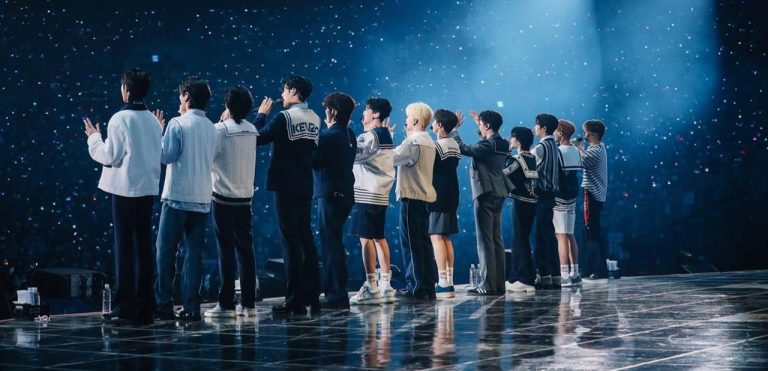
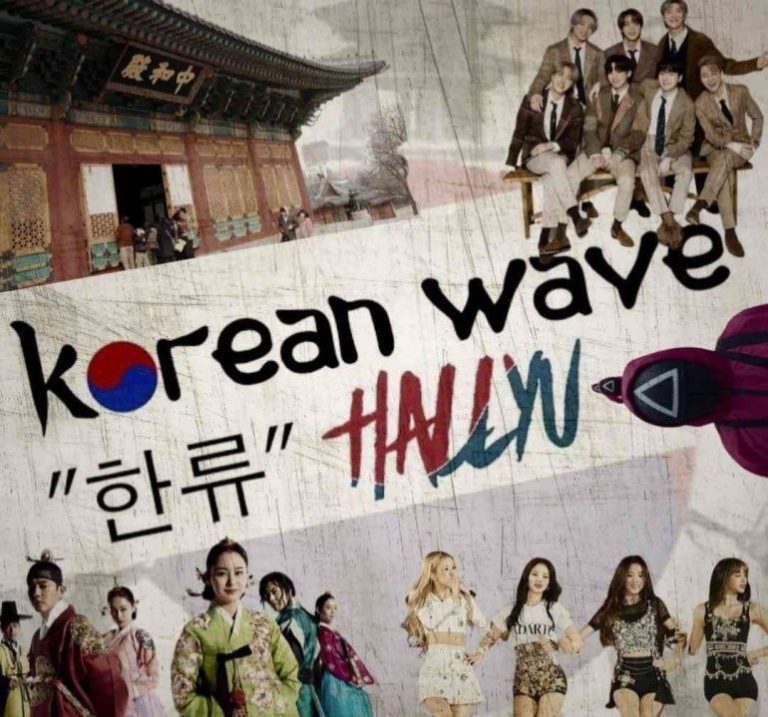
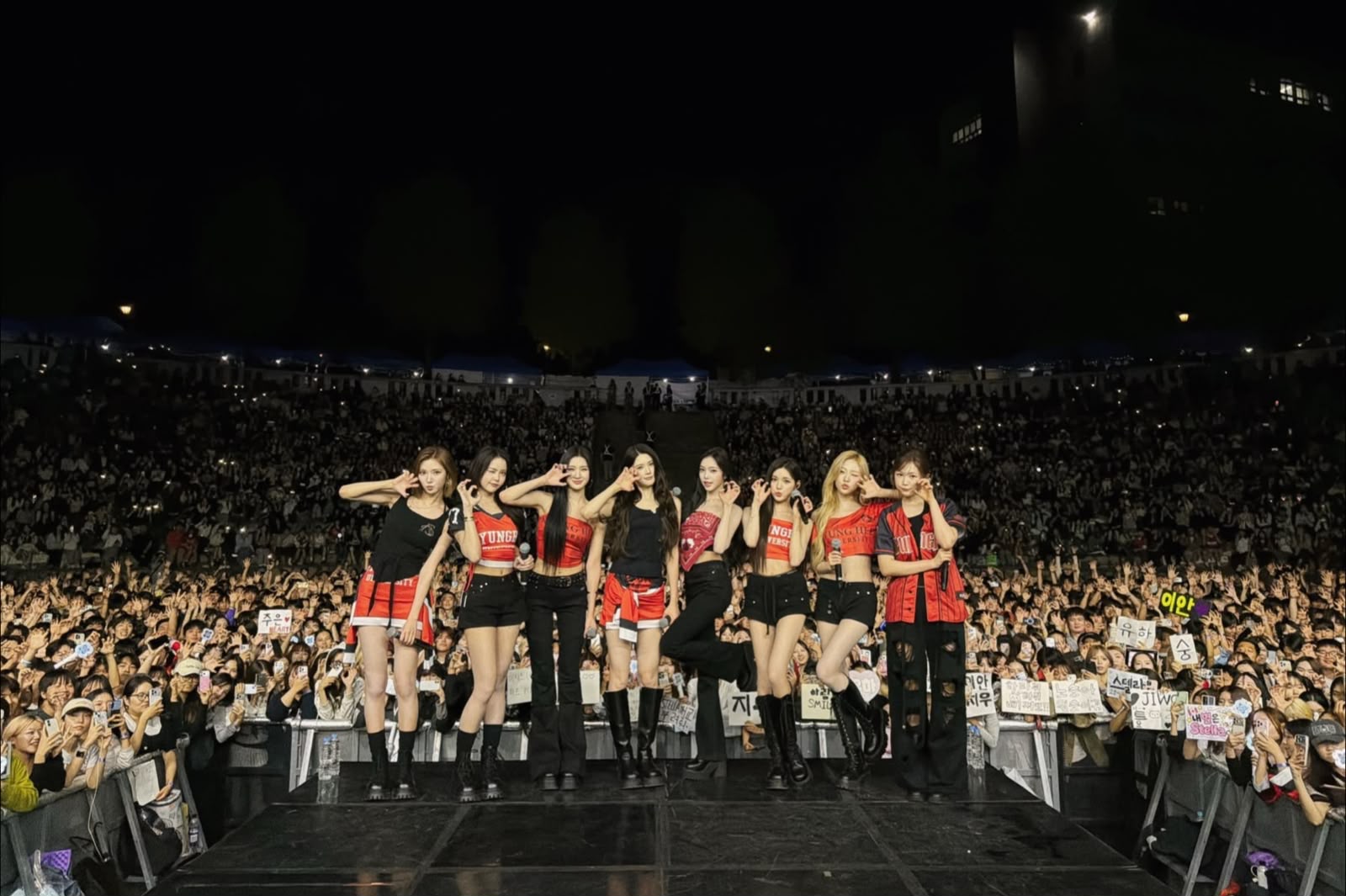
South Korea sits in one of the most militarized regions in the world. It faces a nuclear-armed North Korea, borders powerful neighbors such as China and Japan, and depends on a security alliance with the United States. With such constraints on its hard power, one might expect Seoul to have limited global influence. Yet Korean music, dramas, films, and food are now recognized far beyond Asia. This phenomenon, known as Hallyu or the Korean Wave, is the issue I discuss in this essay. I argue that Hallyu is a real and valuable source of soft power for South Korea, but it is fragile and cannot replace credible diplomacy and security policy. The topic is important because it shows how a middle power can build influence through attraction rather than force, which is a central debate in contemporary international relations.
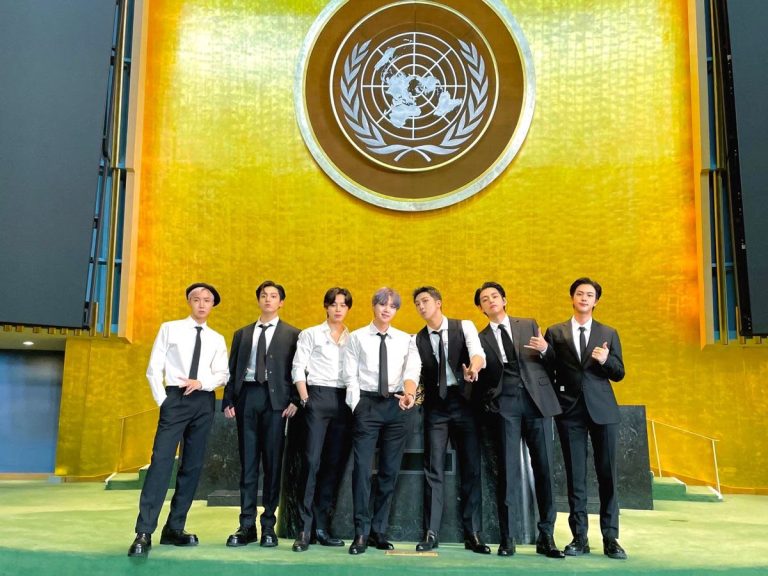
Hallyu is generally traced to the late 1990s, when Korean television dramas and pop music became popular in China and other parts of East and Southeast Asia (Kim, 2013). Its reach later expanded dramatically. Jin (2016) describes a New Korean Wave driven by digital platforms and social media, which allowed Korean content to reach global fans directly without relying on traditional broadcasters. Milestones such as the success of BTS, the film Parasite winning Best Picture at the 2020 Academy Awards, and the global popularity of the Netflix series Squid Game in 2021 show that Korean culture has moved from a regional trend to a worldwide presence. The government also played a role. After the 1997 Asian financial crisis, policymakers began to treat cultural industries as a growth sector and invested in their development (Jin, 2016).
To analyze this issue, I use two concepts from IR theory. The first is soft power, defined by Nye (2004) as the ability to obtain preferred outcomes through attraction rather than coercion or payment. According to Nye (2004), a country’s soft power rests mainly on its culture, its political values, and its foreign policies, as long as others see them as legitimate. Lee (2009) applies this framework to the Korean Wave and treats cultural attraction as a resource that can improve a country’s image abroad. The second concept is complex interdependence from Keohane and Nye (1977), which argues that states are connected through multiple channels, including transnational actors, and that military force is not always the most useful tool. Hallyu fits this picture well, because much of its influence flows through entertainment companies, streaming platforms, and fan communities rather than through the state alone.
Through the lens of soft power, Hallyu brings several benefits to South Korea. First, it improves the country’s image. People who enjoy Korean dramas or K-pop often become curious about the language, food, and society, which creates a friendly environment for diplomacy, tourism, and trade. Second, it gives Seoul a distinctive identity that is not defined only by the division of the Korean Peninsula. In Nye’s (2004) logic, attraction shapes the preferences of others and makes them more willing to cooperate. Third, Hallyu strengthens South Korea’s position as a middle power. It cannot match China or the United States in military or economic size, but it can influence global tastes, which is a form of influence that bigger powers cannot simply buy.
However, the limits of Hallyu as soft power are also clear. First, soft power is hard to control. Nye (2004) stresses that it depends on how audiences receive a country’s culture, and much of Hallyu is produced by private companies and enjoyed by fans, not directed by the government. This is consistent with complex interdependence: when non-state actors lead, the state cannot easily convert popularity into policy outcomes. Being a fan of BTS does not automatically make someone support South Korea’s position on North Korea. Second, soft power is vulnerable to hard-power politics. After Seoul agreed to host the US THAAD missile defense system in 2016 and 2017, China reportedly restricted Korean entertainment content, which shows that cultural influence can be switched off when political relations worsen. Third, there is a gap between image and reality. The glamorous image of the industry has been challenged by criticism of harsh trainee systems and restrictive contracts, and South Korea still faces debates about gender inequality and social pressure. If this gap grows, the attraction that Nye (2004) describes may weaken.
In my opinion, Hallyu is one of South Korea’s most important foreign policy assets, but the government should handle it carefully. First, the state should support the creative industry through funding, education, and fair labor protection, without controlling the content. Propaganda would damage the authenticity that makes Hallyu attractive. Second, Seoul should combine cultural appeal with substantive diplomacy, such as development cooperation, regional dialogue, and a credible security posture. Soft power works best when it supports policies that others see as legitimate (Nye, 2004). Third, South Korea should address its domestic problems honestly, because a country’s image is stronger when it matches its practice.
In conclusion, Hallyu shows that a country facing serious security constraints can still gain global influence through culture. Using the concepts of soft power and complex interdependence, this essay has argued that the Korean Wave improves South Korea’s image and its status as a middle power, but it is limited by private control, political risk, and the need for consistency between image and reality. For International Relations students, it is a reminder that power today is not only about weapons and economies. It is also about what others admire and trust.
Writer: Agradiaz Adhigtya Raphael – 202510360110044
References
Jin, D. Y. (2016). New Korean Wave: Transnational cultural power in the age of social media. University of Illinois Press.
Keohane, R. O., & Nye, J. S. (1977). Power and interdependence: World politics in transition. Little, Brown.
Kim, Y. (Ed.). (2013). The Korean Wave: Korean media go global. Routledge.
Lee, G. (2009). A soft power approach to the “Korean Wave.” The Review of Korean Studies, 12(2), 123–137.
Nye, J. S., Jr. (2004). Soft power: The means to success in world politics. PublicAffairs.