
Image source: Pinterest
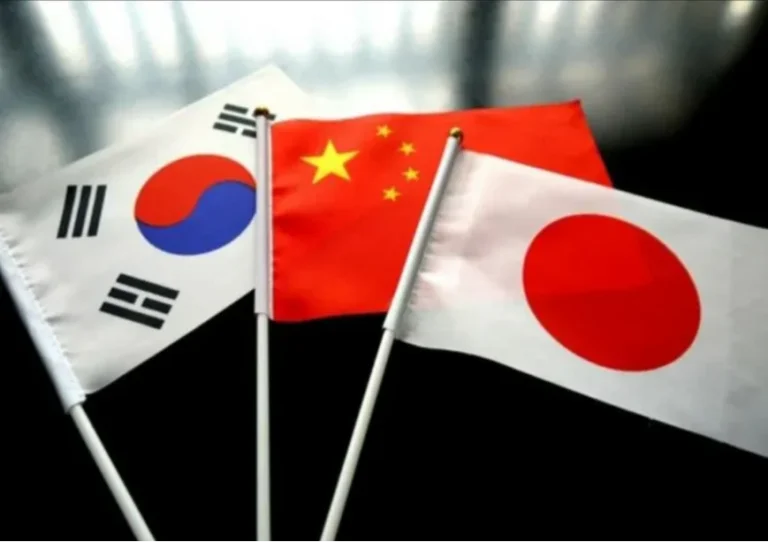
Over the past two decades, South Korea has become internationally recognized not only for its technology and popular culture. K-pop, or Korean popular music, is one of the most visible elements of Hallyu, the Korean Wave. This matters in international relations because a country’s influence does not depend only on military strength or economic pressure. Culture can attract foreign publics and shape how they understand a country. This essay argues that K-pop functions as an important instrument of South Korea’s soft power by improving its international image, encouraging interest in Korean culture and products, and creating transnational communities. However, cultural popularity does not automatically produce political support or agreement with South Korea’s foreign policy.
(Nye, 2004) defines soft power as the ability to obtain preferred outcomes through attraction and persuasion rather than coercion or payment. Its resources include culture, political values, and foreign policies when these are seen as attractive by others. From this perspective, K-pop can be a soft-power resource because it introduces international audiences to South Korea through music, performance, fashion, language, and digital interaction. People may first become interested in a song or an artist and then develop curiosity about the country associated with that cultural product.
K-pop contributes to South Korea’s global image by making the country more visible and familiar to foreign audiences. The South Korean Ministry of Culture, Sports and Tourism’s 2025 Overseas Hallyu Survey collected responses from 26,400 people who had experienced Korean cultural content across 28 regions. K-pop was the first association with the word “Korea” for 17.8% of respondents, maintaining this position for eight consecutive years. In addition, 70.3% said that they liked Korean cultural content. Favorability reached 86.5% among respondents in Indonesia (Ministry of Culture, Sports and Tourism, 2025) These figures suggest that K-pop has become a recognizable symbol through which overseas audiences encounter South Korea. However, the survey included people who had already experienced Korean content, so it does not represent the opinion of every person in each country.
K-pop’s influence also extends beyond music. Fans may learn Korean expressions, follow fashion and beauty trends, watch Korean dramas, try Korean food, or become interested in visiting South Korea. The same survey found that 58.9% of respondents with Hallyu experience were willing to pay for Korean products or services, while 64.1% expressed interest in visiting the country (Ministry of Culture, Sports and Tourism, 2025). This illustrates a possible pathway from cultural attraction to economic and tourism interest. (Kim, 2025) explains that Hallyu’s international growth has been supported by interaction among government policies, entertainment companies, artists, overseas consumers, and digital platforms. South Korea’s cultural influence is therefore not created by the government alone; it also develops through public-private cooperation.
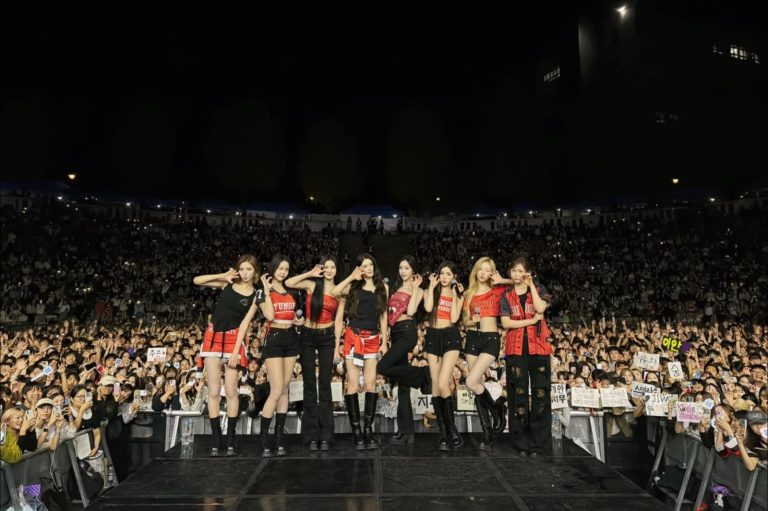
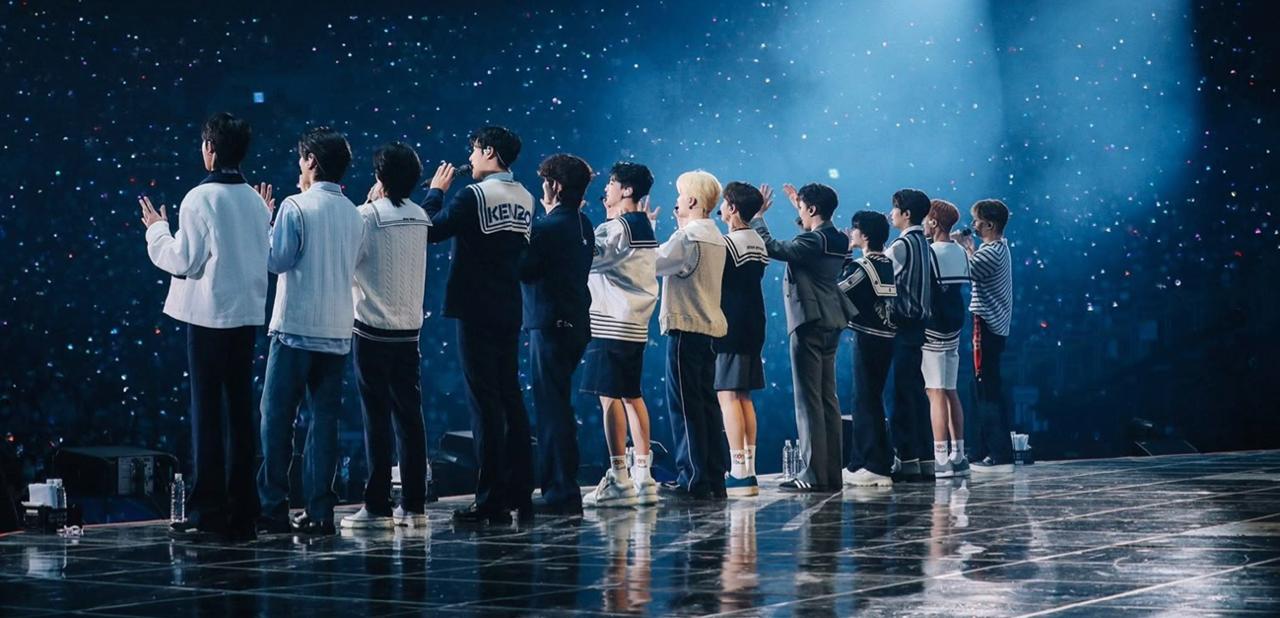
A distinctive feature of K-pop is the active role of international fandoms. Through social media, streaming platforms, fan translations, dance covers, and online discussions, audiences do more than receive Korean cultural products. They circulate and reinterpret them within local communities. This makes K-pop’s global reach partly dependent on ordinary people rather than formal diplomatic institutions (Yoon, 2023) notes that Hallyu’s meaning as soft power is shaped by media discourse and cultural intermediaries; audiences do not necessarily interpret Korean culture in the same way. Nevertheless, fan participation can create connections across national borders and increase everyday familiarity with South Korea.
The BTS LOVE MYSELF campaign with UNICEF illustrates how K-pop influence can connect with a wider social message. Launched in 2017 and later developed into a global partnership, the campaign used BTS’s popularity to raise awareness and funds related to preventing violence against children and supporting young people’s well-being. By March 2024, BTS, BIGHIT MUSIC, and fans worldwide had contributed more than 8.9 billion Korean won (UNICEF, 2024) This was not simply a government publicity campaign; it involved artists, a global organization, and fans. Yet it demonstrates how K-pop’s reach can support public diplomacy by associating South Korean cultural figures with messages of care, inclusion, and social responsibility.
In my view, South Korea’s use of K-pop as soft power is influential, but it should not be exaggerated. First, liking Korean music does not mean that foreign audiences will support every South Korean government policy. Cultural attraction and political agreement are different outcomes. Second, K-pop is a commercial industry whose success depends on entertainment companies, marketing, digital platforms, and organized production systems. If the industry is perceived as overly commercial or exploitative, negative perceptions may weaken the positive image it creates. The MCST survey reported that 37.5% of respondents agreed with negative perceptions of Hallyu, an increase from the previous year (Ministry of Culture, Sports and Tourism, 2025) This shows that popularity can coexist with criticism.
Third, cultural influence is not fully controlled by the state. Fans and foreign media can reinterpret, criticize, or detach K-pop from South Korean national identity. This is not necessarily a weakness; independent participation may make cultural exchange feel more authentic. However, it means that the government cannot simply command soft power into existence. It must support an environment in which creative industries, artists, and audiences can interact freely and sustainably.
K-pop has become a significant instrument of South Korea’s soft power because it attracts international audiences and creates pathways toward greater awareness of Korean culture, products, language, and society. International fandoms and campaigns such as BTS’s LOVE MYSELF partnership also show that cultural influence can extend into social engagement and public diplomacy. Nevertheless, K-pop is a source of attraction, not a guarantee of political influence. In my opinion, South Korea can sustain this soft power by supporting cultural creativity, fair working conditions, international collaboration, and genuine cultural exchange rather than relying only on commercial popularity. Ultimately, K-pop demonstrates how music and popular culture can shape a country’s place in international relations without using coercion.
Writer: Aleasandra Shaqinah – 202510360110017
References:
Kim, H. (2025). Hallyu, the Korean Wave: South Korea’s transition to ‘cultural powerhouse’. The Journal of Law, Social Justice and Global Development, 17–26.
Ministry of Culture, Sports and Tourism. (2025, April 8). The growing popularity and diversification of Hallyu. Retrieved from Ministry of Culture, Sports and Tourism: https://www.mcst.go.kr/english/policy/pressView.jsp?pSeq=511.com
Nye, J. S. (2004). Soft Power: The Means to Success in World Politics. PublicAffairs.
UNICEF. (2024, April 2024). BTS and UNICEF celebrate LOVE MYSELF campaign with renewed support for UNICEF’s #OnMyMind initiative. Retrieved from UNICEF: https://www.unicef.org/partnerships/bts-and-unicef-celebrate-love-myself-campaign-renewed-support-unicefs-onmymind.com
Yoon, K. (2023). De/constructing the soft power discourse in Hallyu. Communication Research & Practice, 341–357.