
Image source: Pinterest
South Korea has transformed into an innovative global actor by utilizing popular culture as a major soft power instrument. This phenomenon is known as Hallyu or the Korean Wave, which has succeeded in shaping a positive image of the country in the eyes of the world. South Korea has changed the global perception of its country through elements of popular culture such as K-pop, K-drama, cuisine, and innovative technology. This strategy began in the early 2000s with government support through institutions such as the Korean Foundation for International Culture Exchange (KOFICE) and massive investments in the entertainment industry. As a result, Hallyu has not only boosted tourism but also strengthened diplomatic influence in Southeast Asia, including Indonesia. This essay will explain the strategy, impact, and challenges of South Korea’s cultural diplomacy.
South Korea’s strategy in using soft power through cultural diplomacy focuses on leveraging the phenomenon of Hallyu or the Korean Wave as a foreign policy instrument. The government actively promotes popular culture, such as K-pop, K-drama, films, cuisine, and fashion, as an official public diplomacy agenda by providing financial support, policies, and global promotion. Through institutions such as the Korean Culture and Information Service (KOCIS) and the Korea Foundation, South Korea establishes cultural centers in various countries to introduce Korean language, arts, and cuisine.
In addition, public diplomacy is carried out through international concerts, film festivals, student exchanges, as well as collaborations with global media such as Netflix, which broadcasts Korean dramas to audiences worldwide. This strategy produces significant impacts: South Korea’s image as a modern and creative country is increasingly strong, tourism rises, exports of cultural and technological products soar, and diplomatic relations with other countries become closer. However, challenges remain, such as the risk of excessive commercialization, cultural homogenization, and competition with Japan and China, who are also developing soft power. Thus, South Korea’s cultural diplomacy shows how culture can be an effective tool to expand global influence while strengthening the country’s position on the international stage.
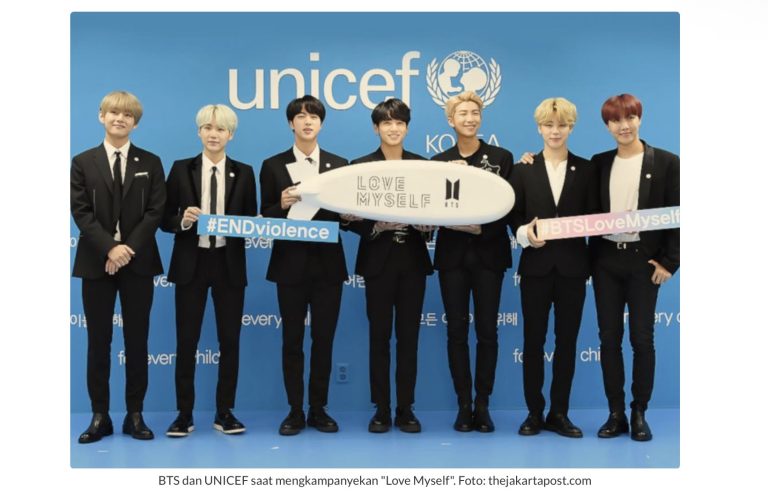
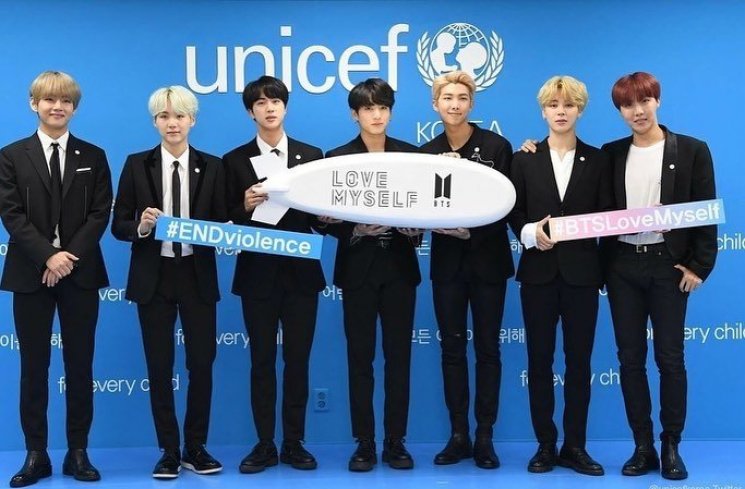
South Korea’s soft power through cultural diplomacy such as the Korean Wave (Hallyu) has had a significant impact on various aspects. Economically, Hallyu promotes the export of cultural content such as K-pop, K-dramas, and online games, reaching billions of dollars, for example, BTS contributes around $3.6 billion per year, while tourism surges with tourists visiting drama filming locations. This also diversifies the economy from manufacturing to the creative industry, strengthening Korea’s image as an innovative and modern country in the global perspective.
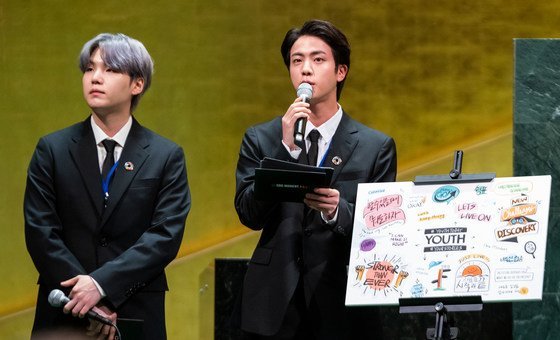
In the fields of diplomacy and social affairs, Hallyu builds emotional connectivity, such as in Indonesia through the Korean Cultural Center which organizes K-pop festivals and language courses to support bilateral relations. Nevertheless, there is criticism that its contribution to total GDP is relatively small (only 1-2%) and it has the potential to create resistance to local culture due to foreign dominance. Overall, this strategy is effective in strengthening Korea’s geopolitical position in Asia and the world.
South Korea’s main challenges in achieving its goals through soft power and cultural diplomacy are quite complex. First, there is the risk of excessive commercialization of the Hallyu phenomenon. When popular culture is overly produced as a commodity, its authentic appeal can diminish and it can lead to criticism that Korean cultural diplomacy is solely focused on economic gain rather than value exchange. Second, South Korea faces cultural homogenization, where the dominance of K-pop and K-drama has the potential to overshadow the richer and deeper diversity of traditional Korean culture. This can weaken the image of Korean culture as something deeply rooted in tradition.
In addition, there is regional competition with other countries such as Japan and China that are also developing culture-based soft power strategies. Japan has strong anime and pop culture, while China promotes cultural diplomacy through film, art, and the Mandarin language. This competition requires South Korea to continuously innovate in order to remain relevant. Another challenge is the sustainability of global appeal, as cultural trends are dynamic and change rapidly. What is popular today can lose influence in a few years, so South Korea must maintain quality, creativity, and adaptability to global tastes.
The topic of South Korea’s soft power and cultural diplomacy is important to discuss because it serves as a successful model of how a small country with limited military hard power can achieve global influence through cultural appeal such as the Hallyu (Korean Wave). This strategy not only builds a positive image as an innovative and modern country but also strengthens nation branding that attracts other countries to establish closer bilateral relations, while also enhancing Korea’s position in international forums such as in economics and politics.
Writer: Muhammad Nazhif Wiradafa – 202410360110106
References
Oliveira, C. V. A. (2025). The Hallyu Wave as a Strategic Soft Power Tool: South Korea’s Cultural Diplomacy in the 21st Century. SciELO Preprints.
Sahatov, F. K. (2023). The Cultural Diplomacy of the Republic of Korea. EPRA Journals.
Sunyogita, S. (2024). Harnessing Cultural Soft Power: A Study of South Korea’s Global Influence through the Korean Wave. Asian Journal of Language, Literature and Culture Studies.
Kunkunrat, K. (2024). Korean Cultural Diplomacy: Uniting Society Through Soft Power. BEJAM Journal.
Hyunjoon, S., & Jin, D. Y. (2016). K-pop Idols, Fans, and Soft Power: Cultural Diplomacy of the Korean Wave. International Journal of Communication.
Sari, D. P. (2022). Diplomacy budaya Korea Selatan melalui Korean Cultural Center. Jurnal Moestopo International Review.
Padjirah, & [et al.]. (2024). Diplomasi budaya Korea Selatan melalui grup idola K-Pop terhadap publik Indonesia pada tahun 2020-2022. Jurnal Padjirah.