
Image source: worldfinancialreview.com
Introduction
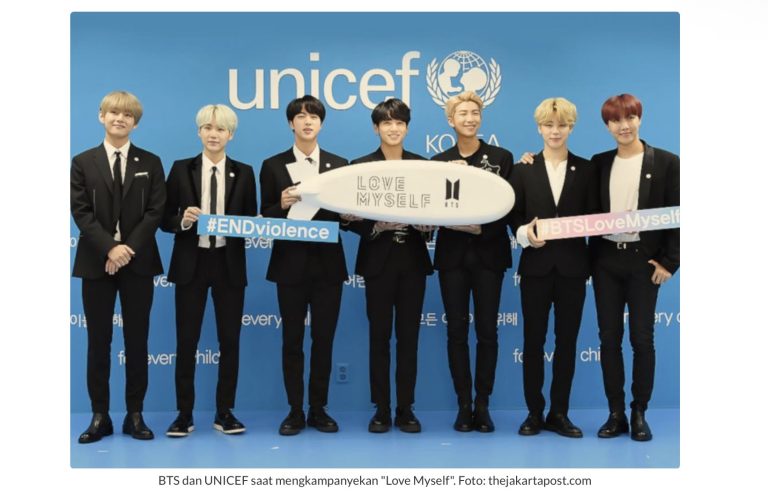
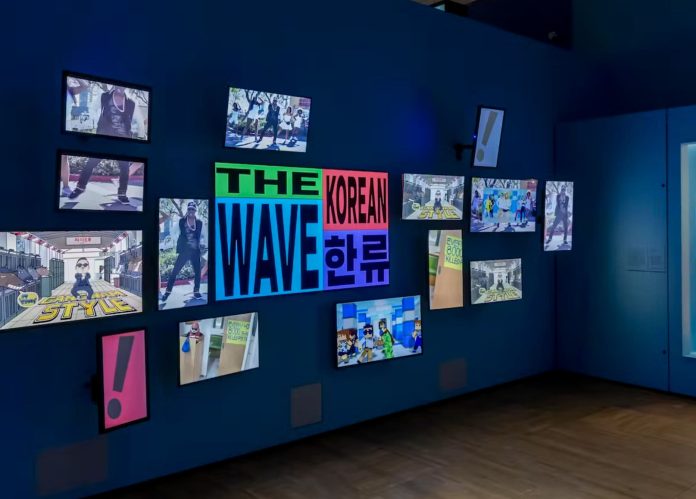
Korean Wave, also known as Hallyu, refers to the global popularity of South Korean popular culture that has been widely known by audiences in many countries. This phenomenon includes various cultural products such as K-pop music, K-dramas, films, fashion, and lifestyle trends that have gained international recognition (Sendow, et al, 2018). The rapid spread of the Korean Wave is not just a cultural trend, but also reflects a strategic effort by the South Korean government to strengthen its global influence. Through cultural diplomacy, the Korean Wave has been utilized as an effective instrument of soft power to promote Korean culture and enhance the country’s image on the global stage (Gunawan, 2024).
Discussion
The concept of soft power, introduced by Joseph Nye, emphasizes the ability of a country to influence others through attraction and cultural appeal (Oliveira, 2025). In this context, the Korean Wave plays an important role in shaping global perceptions of South Korea and strengthening its cultural presence worldwide. Soft power in South Korea has developed through its popular cultural industries, which have been well received by many segments of global society. One of the reasons the Korean Wave has been easily accepted by international audiences is that this culture is spread through forms of entertainment that provide enjoyable experiences for viewers (Kim & Jin, 2026). K-pop, K-dramas, films, and various digital content from South Korea are packaged in engaging ways that are accessible to people from different backgrounds. When audiences enjoy this entertainment, they are not only consuming it for fun but also becoming familiar with the Korean language, food, lifestyle, and culture. This approach allows Korean cultural influence to feel more natural rather than forced, making people from different countries more open to embracing it. In other words, the entertainment aspect has become a key factor in enabling the Korean Wave to spread widely and strengthen South Korea’s soft power on a global scale.
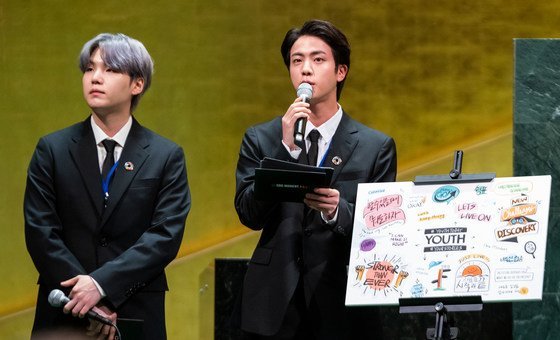
The success of the Korean Wave is not only the result of the popularity of the entertainment industry, but also of the strong support from the South Korean government, which actively utilizes popular culture as part of its cultural diplomacy strategy (Gunawan, 2024). The government recognizes that cultural products can serve as an effective medium for introducing national identity while also enhancing the country’s image on the international stage. As a result, various policies have been implemented to support the development of the creative industry, ranging from investments in content production to the promotion of Korean culture through festivals, cultural exchanges, and cultural centers in different countries. Through this approach, culture is viewed not only as a form of entertainment but also as an instrument capable of expanding a country’s influence in international relations. This strategy demonstrates how South Korea has successfully used popular culture as a smooth yet effective diplomatic tool, as the influence it made, comes from the global public’s genuine interest in its culture.
The influence of the Korean Wave can also be observed in changes in lifestyles across many countries, including Indonesia. Today, many people, especially younger generations are interested in K-pop music, Korean dramas, and other forms of Korean popular culture. This phenomenon can be seen in the growing interest in learning the Korean language, the increasing popularity of Korean food, as well as trends in Korean fashion and beauty products in various countries (Cindrakasih, 2021). This demonstrates that popular culture has a significant power to shape the preferences and lifestyles of global society. When the culture of a country is widely known by international audiences, it indirectly strengthens that country’s image and influence on the global stage. Therefore, the Korean Wave can be considered one example of a successful cultural diplomacy strategy in enhancing a nation’s soft power.
The Korean Wave illustrates how popular culture can serve as an effective tool of soft power and cultural diplomacy. Through its entertainment, South Korea has successfully attracted global audiences while introducing its culture and values. This success is also supported by government efforts to promote and develop the creative industry. As Korean culture gains wider recognition, it strengthens the country’s international image and influence. Therefore, the Korean Wave stands as a clear example of how cultural appeal can enhance a nation’s global presence.
Conclusion
In conclusion, the Korean Wave’s worldwide success exemplifies Joseph Nye’s soft power theory and shows how cultural appeal can successfully influence perceptions abroad. South Korea has successfully introduced its culture in a way that feels natural and appealing to audiences around the world through captivating forms of entertainment like K-pop, K-dramas, and movies. Strong government support, which deliberately incorporates popular culture into its cultural diplomacy initiatives, further reinforces this broad acceptance. As a result, the Korean Wave affects lifestyles, tastes, and cultural awareness in many nations, including Indonesia, in addition to providing entertainment. In the end, this phenomenon shows how strategic policy combined with creative industries can improve a country’s reputation and influence internationally, making the Korean Wave a potent illustration of effective soft power.
Writer: Andoro Arya Seno – 202410360110119
Bibliography
Cindrakasih, R. (2021). Dinamika Globalisasi Budaya Korea di Indonesia dan Pola Konsumsi Remaja “Korean Wave” di Media Sosial Instagram. Jurnal Public Relations (JPR). 2(1). pp 17–28. https://doi.org/10.31294/jpr.v2i1.213
Fadhilah, A.N. (2023). The Role and Impact of Public Diplomacy in Shaping South Korea Foreign Policy Decisions: Study Case Analysis on Korean Wave. Indonesian Journal of Halal Vol. 7(2). pp(81-91).
Gunawan, I. (2024). Korean Cultural Diplomacy: Uniting Society Through Soft Power. Jurnal Info Sains : Informatika dan Sains. 14(01). pp(1079-1086).
Kim, T.Y, & Jin, D.Y. (2015). Cultural Policy in the Korean Wave: An Analysis of Cultural Diplomacy Embedded in Presidential Speeches. International Journal of Communication. 10(2016). pp(5514-5534).
Nye, J. S. (2004).Soft power: The means to success in world politics. Public affairs.
Oliveira, C.V.A. (2025). The Hallyu Wave as a Strategic Soft Power Tool: South Korea’s Cultural Diplomacy in the 21st Century. Scielo Preprints. https://doi.org/10.1590/SciELOPreprints.12388
Sendow, B.E.D., Mamentu, M., & Rengkung, F. (2018). Korean Wave Sebagai Instrumen Soft Power Diplomasi Kebudayaan Korean Selatan Di Indonesia. Politico: Jurnal Ilmu Politik. 7(4).
Lembaga Bahasa Internasional FIB UI. (2023, 27 September). Chaebol: Konglomerat besar di balik majunya ekonomi Korea Selatan. https://lbifib.ui.ac.id/id/blog/artikel/chaebol-konglomerat-besar-di-balik-majunya-ekonomi-korea-selatan