

Image source: Setaranews
In today’s global arena, South Korea has positioned itself as a leading cultural force. While the country was once mainly known for its fast industrial growth, it has now reshaped its international reputation through the worldwide appeal of K-dramas and K-pop. This trend, popularly called the Korean Wave or Hallyu, goes beyond entertainment and functions as a deliberate form of soft power. As Joseph Nye explains, soft power is a state’s capacity to influence others by attracting them rather than forcing them. This essay contends that South Korea has skillfully used its creative industries as soft power tools to expand its global reach, improve its diplomatic standing, and influence how the world views it.
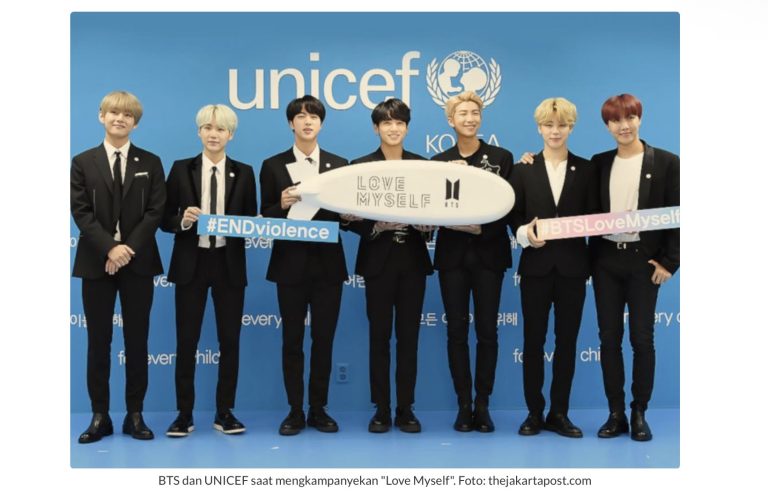
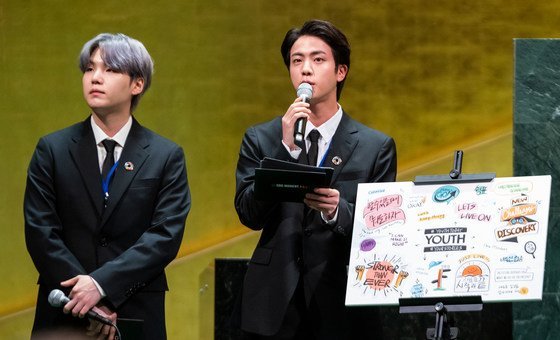
The Korean Wave started to gain momentum in the late 1990s and early 2000s when Korean television dramas became hits across Asia. The movement later spread worldwide thanks to streaming services like Netflix and platforms like YouTube, which introduced K-dramas and K-pop to audiences in Europe, the Americas, and other regions. Groups such as BTS and shows like Crash Landing on You have played major roles in raising South Korea’s cultural profile. This growth did not happen by chance. It has been backed by consistent government policy. The South Korean government has made substantial investments in its cultural sector, understanding that it can deliver both economic gains and political advantages.
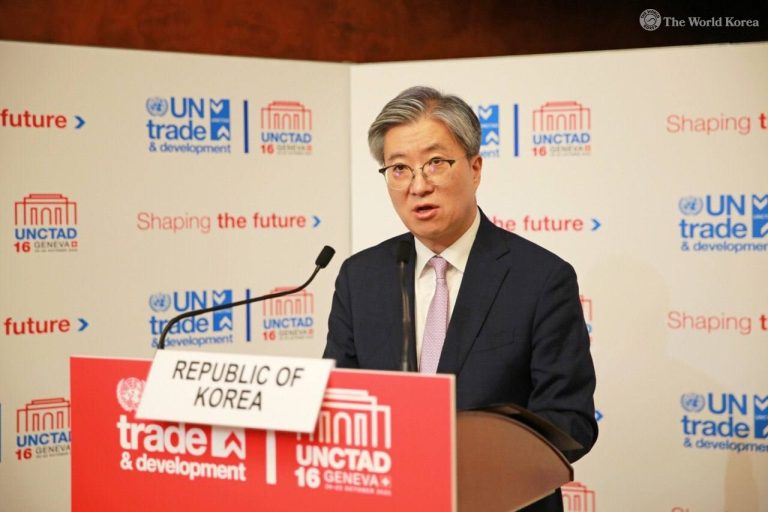
Seen through the lens of international relations, South Korea’s approach matches liberal ideas of soft power. Liberalism highlights cooperation, mutual dependence, and the use of non-military means to pursue national goals. Through cultural exports, South Korea builds goodwill and emotional ties with foreign audiences. This positive sentiment can then support collaboration in areas such as trade, tourism, and multilateral agreements. When people in other countries engage with Korean culture, they tend to develop a favorable view of the country, which makes diplomatic and economic partnerships easier to form.
Furthermore, Hallyu illustrates what Nye calls “attraction-based influence.” Instead of depending on military force or economic sanctions, South Korea shapes the preferences of others through cultural appeal. K-dramas frequently present narratives about family bonds, personal endurance, and contemporary life that connect with viewers worldwide. Likewise, K-pop artists are perceived as examples of hard work, innovation, and global youth identity. These images help build a positive national brand, which is central to public diplomacy. Consequently, South Korea has reinforced its status as a middle power that has influence far beyond its size.
Nevertheless, this strategy faces several obstacles. Depending heavily on cultural exports leaves South Korea exposed to international political tensions. For example, when Seoul and Beijing clashed over the THAAD missile defense deployment, China limited the circulation of Korean entertainment. This case shows that soft power can still be disrupted by hard power disputes. In addition, some critics point out that the global spread of Hallyu can promote narrow beauty standards and consumer lifestyles, which raises concerns about its broader social effects.
Despite these risks, South Korea’s soft power model remains largely successful. The combination of state support, private sector creativity, and global digital distribution has produced a durable system of cultural diplomacy. Unlike traditional diplomacy that centers on governments, this model includes many players such as production studios, musicians, and online platforms. This reflects a shift in international relations where non-state actors have greater importance.
In my assessment, South Korea’s experience proves that culture, when managed strategically, can be a major asset in world politics. The country shows that soft power is not only symbolic. It can lead to concrete results like higher tourist numbers, economic expansion, and stronger diplomatic ties. To keep this momentum, however, South Korea needs to balance cultural outreach with awareness of political sensitivities. Expanding its diplomatic methods and making sure its cultural industries remain sustainable will be key for the future.
To conclude, the worldwide success of K-dramas and K-pop demonstrates how South Korea has turned cultural products into effective soft power instruments. By relying on attraction instead of coercion, the nation has improved its global position and redefined its role in international politics. This example underlines the rising relevance of soft power in international relations and shows how cultural influence can help shape the current global order.
Wroter: Cut Faiza Dzikrillah – 202410360110128
References:
Jin, D. Y. (2016). New Korean Wave: Transnational cultural power in the age of social media. University of Illinois Press. https://www.press.uillinois.edu/books/?id=p083203
Kim, Y. (Ed.). (2013). The Korean Wave: Korean media go global. Routledge. https://www.routledge.com/The-Korean-Wave-Korean-Media-Go-Global/Kim/p/book/9780415712781
Ministry of Culture, Sports and Tourism of the Republic of Korea. (2023). Hallyu (Korean Wave) report. https://www.mcst.go.kr/english/policy/hallyu.jsp
Nye, J. S. (2004). Soft power: The means to success in world politics. PublicAffairs. https://www.publicaffairsbooks.com/titles/joseph-s-nye-jr/soft-power/9781586483067/