
Image source: Pinterest
Over the past several decades, South Korea has experienced a remarkable transformation in its position within the international system. After the Korean war in the 1950s, the country faced widespread poverty and relied heavily on international aid to rebuild its economy. However,through rapid industrialization,economic reforms, and political development, South Korea gradually emerged as one of the worlds leading economis. Today,the country is recognized not only for its economic success but also for its increasing involvement in global governance.one of the clearest indicators of this transformation is south korea active participation in international organizations such as the United Nation,the G20,and the Organization for Economic and Development.through these institutions, south korea seeks to contribute to international cooperation while strengthening its role as a responsible member of the global community.
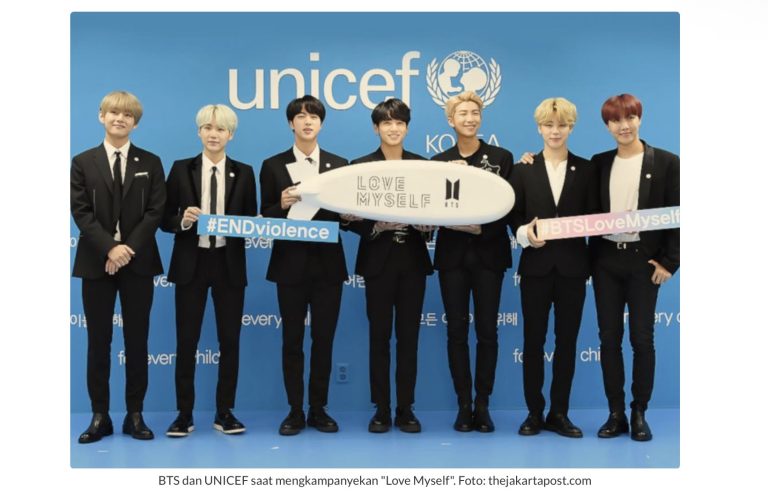
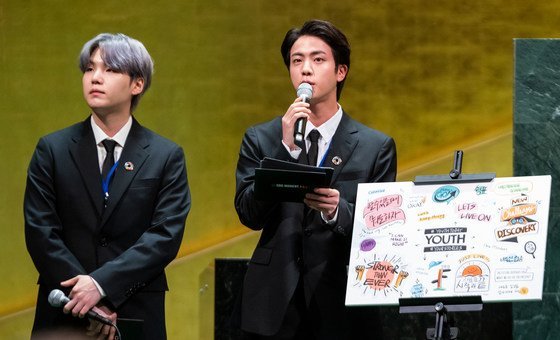
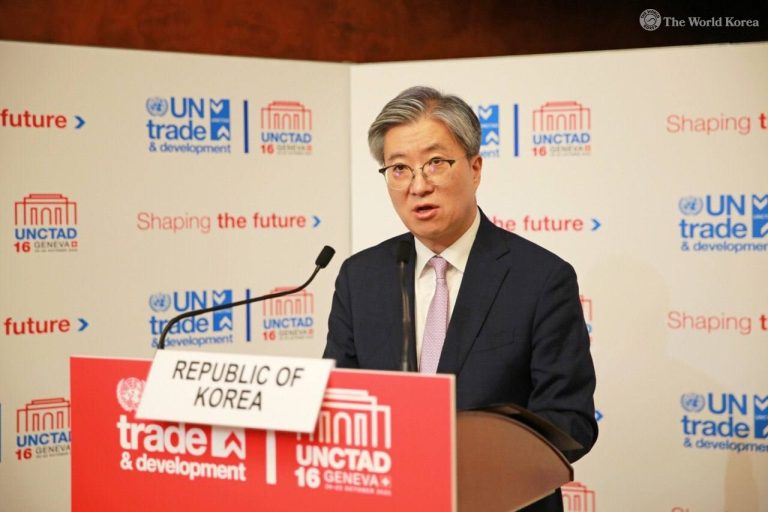
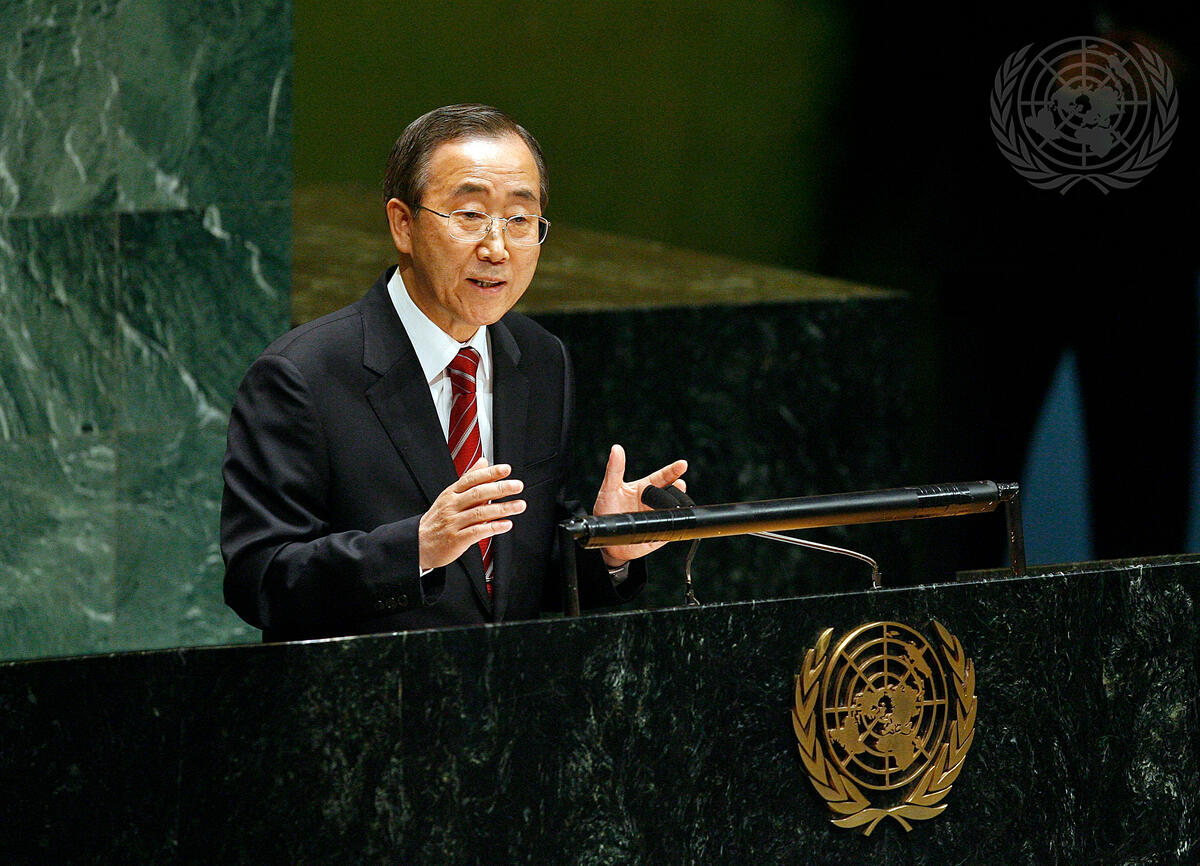
South Korea officially joined the United Nations in 1991,together with North Korea, marking an important step in its diplomatic integration into the international community. Since becoming a member , south korea has participated actively in a veriety of UN activities , including peacekeeping operations, humanitarian aid, and development programs. According to the United Nations (2023), south korea has deployed both military personnel and civilian experts to several peacekeeping missions around the world. These contributions demonstrate the countrys commitment to promoting international peace and security. In addition , south korea has served several terms as a non permanent member of the UN Security council,which allows the country to participate directly in discussions and decisions making process concerning global security issue.
South Korea’s growing role is also visible in the field of global economic governance. As one of the largest economies in the world, the country plays an active role in organizations such as the G20 and the OECD. One significant moment that highlighted South Korea’s global influence was the 2010 G20 Seoul Summit. The summit symbolized South Korea’s transition from a country that once depended on foreign aid to one that contributes to shaping international economic policy (Kim, 2017). During the summit, South Korea introduced the “Seoul Development Consensus” which emphasized infrastructure development, sustainable economic growth, and cooperation with developing countries. By sharing its own development experience, South Korea attempted to bridge the gap between developed and developing nations.
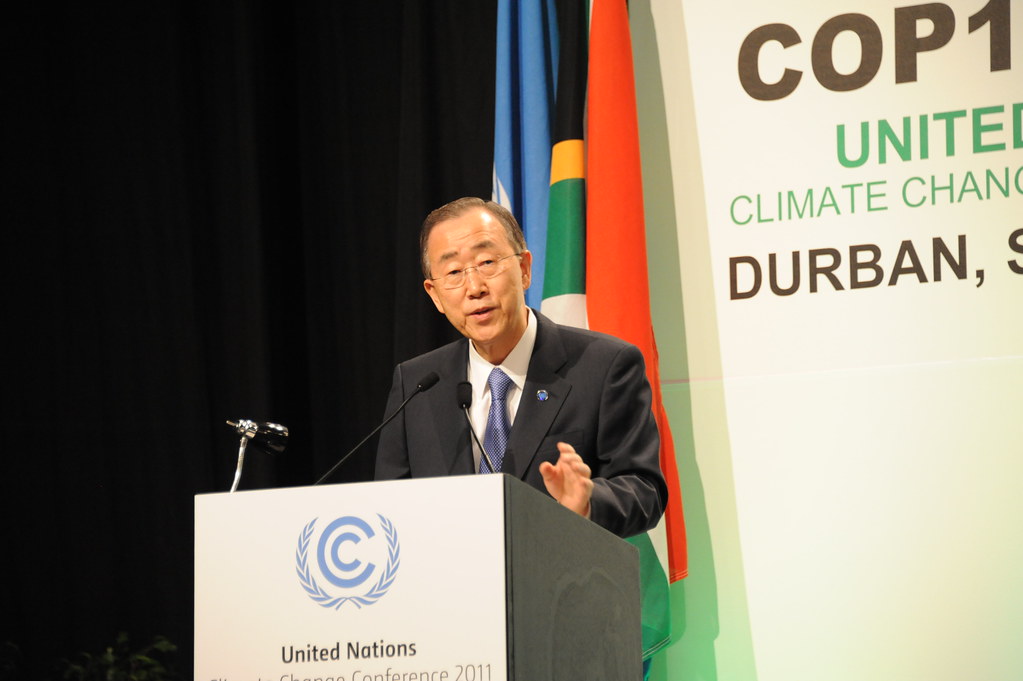
Image source: Pinterest
Scholars often explain South Korea’s behavior in global organizations through the concept of middle power diplomacy. Middle powers are states that may not possess the same level of military or economic dominance as major powers, but they can still influence international cooperation through diplomacy, coalition-building, and support for multilateral institutions (Cooper, Higgott, & Nossal, 1993). South Korea is frequently described as an emerging middle power because it actively supports international cooperation and promotes multilateral solutions to global issues (Lee, 2012). By participating actively in global organizations, South Korea can amplify its voice and contribute to international discussions despite not being a major power.
Another perspective that helps explain South Korea’s engagement is liberal institutionalism, which argues that international institutions help facilitate cooperation by providing rules, norms, and frameworks that guide state behavior (Keohane, 1984). From this perspective, South Korea’s strong support for global institutions reflects its belief that multilateral cooperation is essential for addressing complex global challenges. According to Moon (2016), South Korea has consistently emphasized international cooperation and global governance as key components of its foreign policy. Through participation in institutions such as the UN and the G20, the country is able to collaborate with other states to address issues such as economic instability, climate change, and international security.
From my perspective, South Korea’s engagement in global organizations demonstrates how a country can expand its influence through cooperation rather than dominance. Although South Korea does not possess the same level of power as major states such as the United States or China, its commitment to multilateralism allows it to contribute meaningfully to global governance. By supporting international institutions and promoting collaborative approaches to global problems, South Korea shows that diplomacy and cooperation remain essential tools in international relations. This strategy also helps the country manage the complex geopolitical environment of East Asia while strengthening its international reputation as a responsible and cooperative state.
In conclusion, South Korea’s increasing participation in global organizations reflects its transformation from a developing country into an influential middle power in international politics. Through institutions such as the United Nations, the G20, and the OECD, South Korea contributes to global peace, economic cooperation, and international governance. Its diplomatic approach, which emphasizes multilateralism and cooperation, aligns closely with the principles of middle power diplomacy and liberal institutionalism. As global challenges continue to become more interconnected, South Korea’s active engagement in international organizations will likely remain an important element of its foreign policy and its growing influence in the international system.
Writer: Juwita Gusfianda Adentri – 202410360110144
Reference:
Cooper, A. F., Higgott, R., & Nossal, K. (1993). Relocating middle powers: Australia and Canada in a changing world order. Vancouver: UBC Press.
Keohane, R. O. (1984). After hegemony: Cooperation and discord in the world political economy. Princeton, NJ: Princeton University Press.
Kim, S. S. (2017). South Korea’s middle power diplomacy and global governance strategy. Asian Perspective, 41(2), 191–215. https://doi.org/10.1353/apr.2017.0009
Lee, S. J. (2012). South Korea as a middle power in global governance. East Asia Institute. https://www.eai.or.kr/main/english
Moon, C. I. (2016). South Korea’s middle power diplomacy. Global Asia, 11(2), 24–31. https://www.globalasia.org/v11no2/cover/south-koreas-middle-power-diplomacy
Nye, J. S. (2011). The future of power. New York: PublicAffairs.
United Nations. (2023). Republic of Korea and the United Nations. https://www.un.org/en/member-states/republic-of-korea
World Bank. (2022). The Republic of Korea’s development experience and global development cooperation.https://www.worldbank.org/en/country/korea