
Image source: Pinterest
Introduction
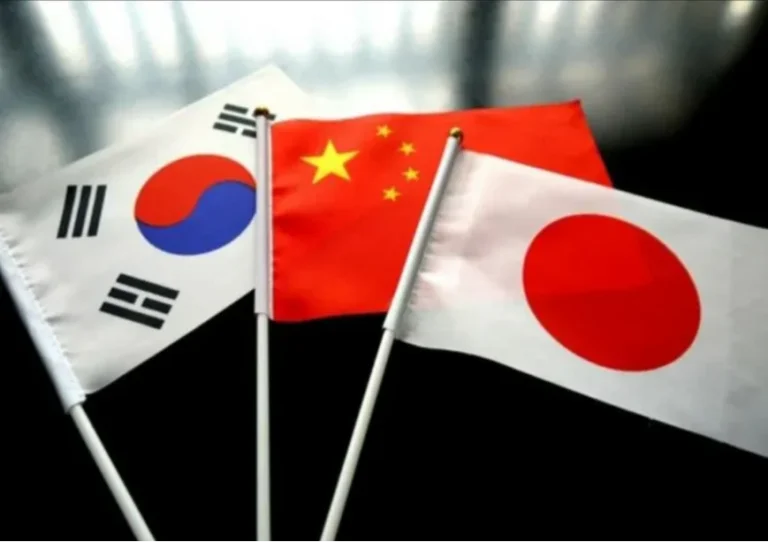
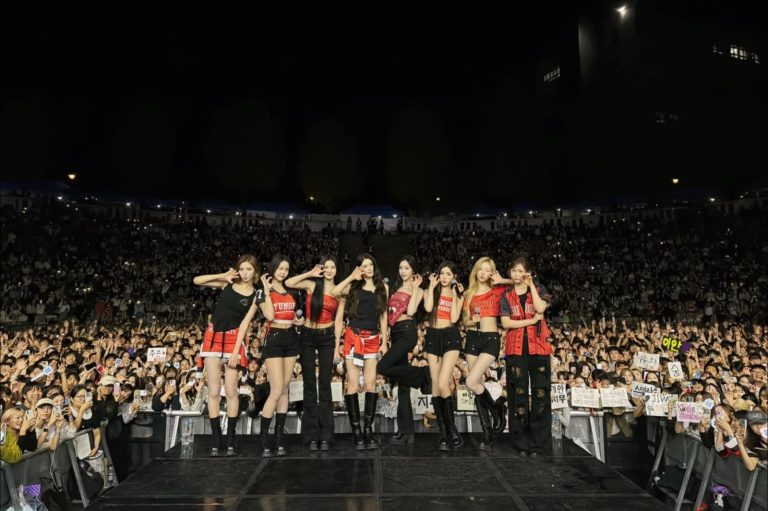
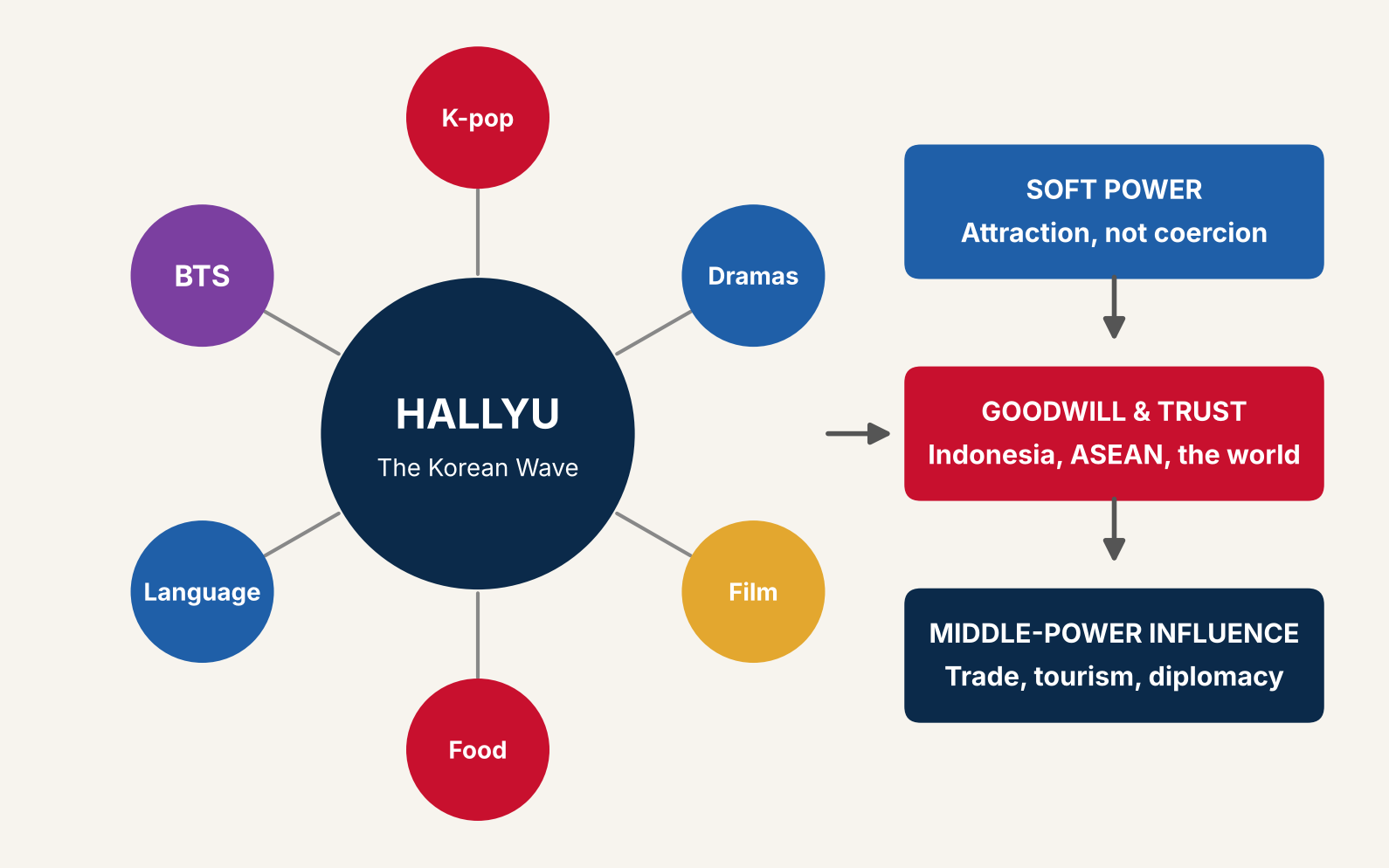
When Parasite won Best Picture at the Academy Awards and Squid Game became a worldwide streaming phenomenon in 2021, the world was reminded that South Korea is no longer known only for its factories and its divide peninsula. The global popularity of Korean pop music, dramas, films, and food, known as Hallyu or the Korean Wave, is now one of the country’s most visible assets, and no one embodies it better than the group BTS (Bangtan Sonyeondan). This Essay examines Hallyu, with BTS as a case study, as an instrument of South Korean foreign policy. The issue matters because South Korea sits in one of the most dangerous a nuclear-armed North Korea. Such a country must find other ways to build influence. My argument is that Hallyu is a valuable source of soft power, but a supplement to, not a substitute for, credible diplomacy and healthy domestic society.
Background: From Cultural Industry to Cultural Diplomacy
Hallyu began in the late 1990s, when Korean dramas and pop music started to find audience in China, Japan, and Southeast Asia. After the 1997 Asian Financial Crisis, the Korean government came to see cultural industries as a promising engine of growth and invested in their development (Jang & Paik, 2012). What began as an export business gradually became a form of cultural diplomacy, as officials realized that popular culture could improve the country’s image broad. Today, global platforms and fan communities across Asia and beyond spread Hallyu far further than any government campaign could (Kim, 2013).
Case Study: BTS as a Cultural Diplomat
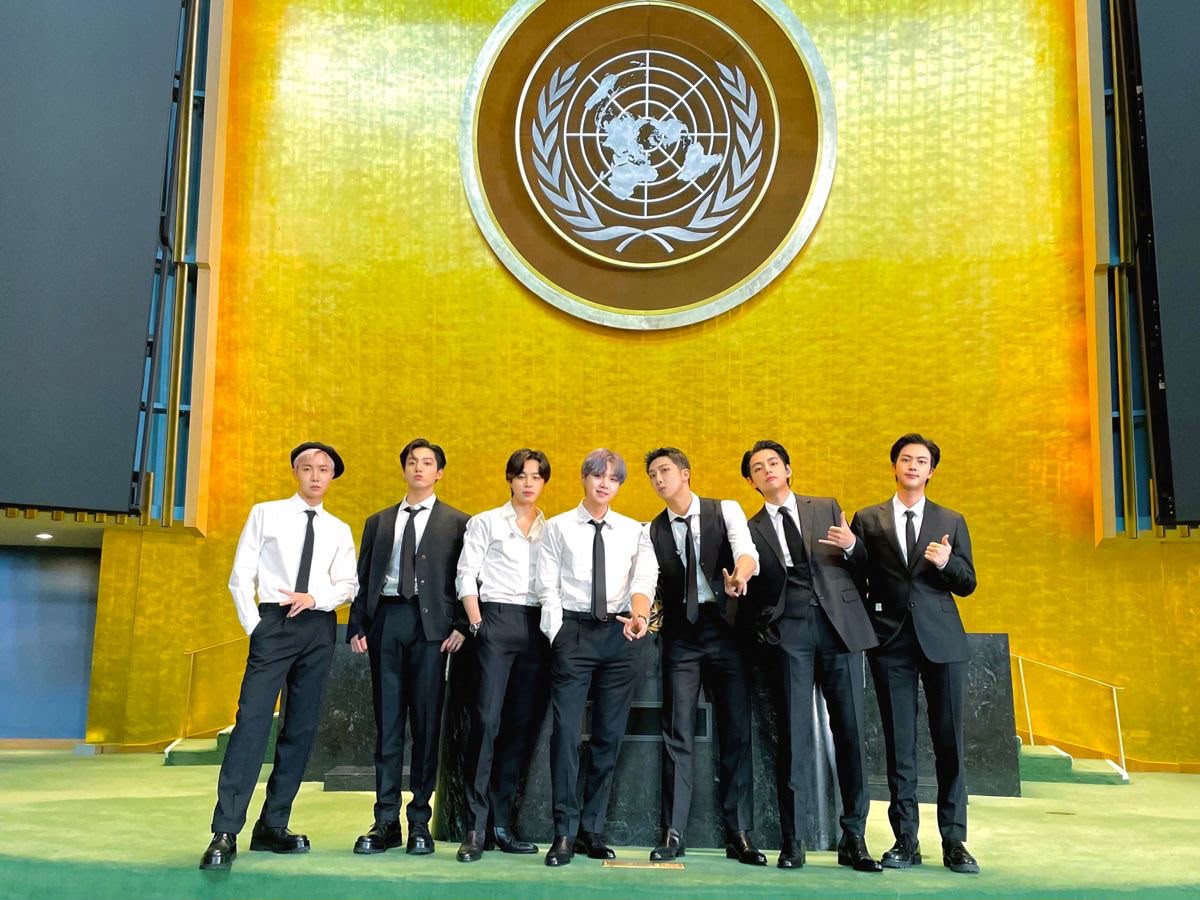
BTS shows how popular culture can acquire diplomatic meaning. In September 2018, the group spoke at the launch of the Generation Unlimited initiative during the 73rd UN General Assembly, spending a massage about self-confidence to young people worldwide (Manila Bulletin, 2021). In 2021, President Moon Jae-in formally appointed its seven members Special Presidential Envoys for Future Generations and Culture, and they addressed the UN’s Sustainable Development Goals Moment in New York (the National, 2021). This was remarkable: a state granted diplomatic status to a pop group because it recognized that BTS could reach audience, including a large Indonesian fan community knows as ARMY, that ministers could not.
Analysis: Soft Power, Interdependence, and Middle Power Diplomacy
Joseph Nye (2004) defines soft power as the ability to shape the preference of others through attraction rather than coercion or payment, and he identifies a country’s culture, political values, and foreign policies as its main sources. Hallyu fits his definition well. A young Indonesian who learns Korean to understand a favorite BTS song, or who dreams of studying in Seoul, develops goodwill toward Korea that no advertisement could buy. This goodwill lowers the cost of other forms of cooperations, such as trade, tourism, and educational exchange.
Keonhane and Nye’s (1997) theory of complex interdependence helps explain why this matters. They argue that world politics involves multiple channels of contact between societies, not only between government, and that military force is less useful on many issues. Entertainment companies, streaming platforms, and fans are non-state actors who connect societies directly, and they create networks of mutual dependence that government can build upon. Seoul’s cultural reach therefore gives it influence where military power is irrelevant.
The resources also suit South Korea’s identity as a middle power. Cooper et al. (1993) describe middle powers as state that cannot dominate the international system but can exert influence through coalition building, niche diplomacy, and good international citizenship. Because South Korea cannot match the military and economic weight of Washington or Beijing, attraction become a rational strategy. It widens the country’s partnerships, especially with South Asian states such as Indonesia, which follows a long traditions of independent and active foreign policy and prefers not to choose sides in great power rivalry. The New Southern Policy of 2017 reflected this logic by seeking deeper ties with ASEAN and India.
Limits of Hallyu and My Opinion
However, I believe it would be a mistake to overstate what Hallyu can achieve. Nye (2008) cautions that soft power resources do not automatically produce the outcomes a government wants, and that credibility is a scarce and vital resource in the information age. Fans who love Korean music may still disagree with Seoul’s policies. The BTS appointment also carries a risk: if artist look like instruments of government, their authenticity, the very source of their attraction, may suffer. Moreover, Hallyu’s glamorous image can be damaged by harsh idol training system, debates about gender inequality, and one the world’s lowest fertility rates, which contradict polished picture.
In my opinion, South Korea should therefore pursue three priorities. First, it should protect the creative freedom and fair working conditions of artist, because a vibrant cultural sector is the source of attraction and not merely a government tool. Second, it should align cultural diplomacy with consistent policies and values, such as support for democracy, development assistance, and transparency in regional disputes so that admiration can become trust. Third, it should invest in two-way exchange, including learning about the cultures of partners such as Indonesia, so that Hallyu does not appear as a one-way cultural export.
Conclusion
Hallyu, and BTS in particular, has helped turn South Korea from a country associated mainly with security risks into a cultural trendsetter, and the concepts of soft power, complex interdependence, and middle power diplomacy explain why this matters for a state with limited hard power. Yet attraction alone cannot guarantee influence. The Korean Wave will strengthen South Korea’s position only if it is matched by credible policies, a fair society, and genuine reciprocity. For students in Indonesia and elsewhere, the lesson is that in international relations, being admired is useful, but being trusted is what lasts.
Writer: Annisa Mauliddina Irhays Suandini – 202310360311087
References
Cooper, A. F., Higgott, R. A., & Nossal, K. R. (1993). Relocating middle powers: Australia and Canada in a changing world order. University of British Columbia Press.
Jang, G., & Paik, W. K. (2012). Korean wave as tool for Korea’s new cultural diplomacy. Advances in Applied Sociology, 2(3), 196–202.
Keohane, R. O., & Nye, J. S. (1977). Power and interdependence: World politics in transition. Little, Brown.
Kim, Y. (Ed.). (2013). The Korean wave: Korean media go global. Routledge.
Manila Bulletin. (2021, July 21). BTS appointed as special presidential envoy; to attend UN General Assembly. https://mb.com.ph/2021/7/21/bts-appointed-as-special-presidential-envoy-to-attend-un-general-assembly
The National. (2021, September 16). BTS made ‘special presidential envoy’ by South Korean President Moon Jae-in. https://www.thenationalnews.com/world/asia/2021/09/16/bts-made-special-presidential-envoy-by-south-korean-president-moon-jae-in
Nye, J. S. (2004). Soft power: The means to success in world politics. PublicAffairs.
Nye, J. S. (2008). Public diplomacy and soft power. The ANNALS of the American Academy of Political and Social Science, 616(1), 94–109.