
Image source: Google
Today’s international community is influenced not only by military and economic power (hard power), but also by soft power (Nye, 2004). Cultural diplomacy is one of the primary means of projecting soft power, involving cultural exchange to build long-term relationships and enhance a country’s image in the eyes of the world.
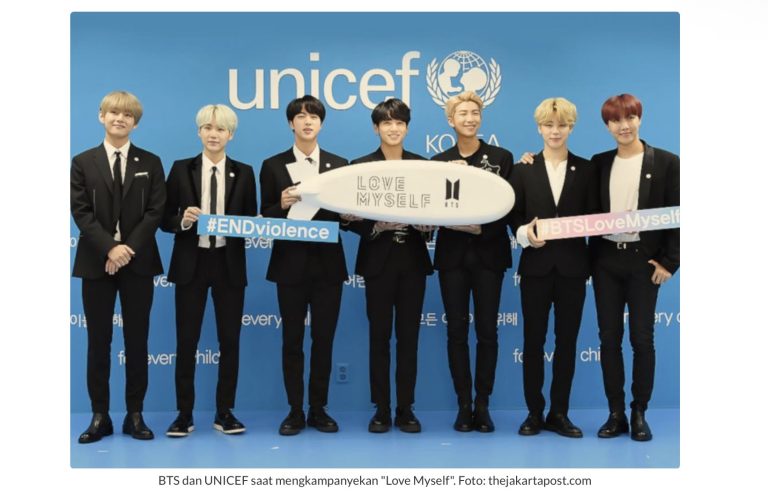
Hollywood and Western pop music have no longer dominated the world’s entertainment industry for the last 20 years. The Hallyu, or Korean Wave, is a tidal wave that originated in East Asia and has completely changed the cultural landscape of the world. Korean dramas dominate Netflix, K-pop dominates the Billboard charts, and everything from Korean beauty products to instant foods is selling out in international markets.
Why is it important to look into this phenomenon? Because this is not just another story of industrial success. It is the story of how a country that was devastated by war half a century ago now stands as one of the world’s greatest cultural powers. South Korea is now viewed as a modern, dynamic, and creative nation. This positive image has opened the door to cooperation in various fields, including trade, investment, and tourism.
The point is, soft power through culture isn’t just about pursuing economic gains, even though its impact is extraordinary. Exports from Korea’s content industry surged from $1.31 billion in 2005 to $13.34 billion in 2023. More than that, it’s about how a nation builds its image, shapes global perspectives, and forges emotional bonds with foreign audiences. When K-pop fans interested in learning Korean or try the food their idols eat, that is where cultural diplomacy works most effectively.
THE SUCCESS OF THE HALLYU
The key component of South Korea’s success is its capacity to integrate an organic methodology with solid structural foundation with an organic approach. This is the result of a combination of several key factors:
- Government Support
The South Korean government has actively supported the cultural industry since the late 1990s. It provides tax incentives, funds creative projects, and promotes Korean culture abroad. The government has also established the Korean Culture and Information Service (KOCIS) and KCC offices in various countries to spread Korean cultural influence.
- Quality and Innovation
South Korea’s cultural industry is known for its quality and innovation. K-pop combines catchy melodies, synchronized choreography, and visually appealing performances. K-dramas offer emotional stories that resonate with everyday life, as well as high-quality production values.
- Social Media and Technology
Social media and digital technology play a key role in spreading Hallyu around the world. Platforms like YouTube, Spotify, and Netflix make it easy for fans to access Korean cultural content from anywhere. Social media also allows fans to interact and form communities, which strengthens the influence of Hallyu.
THE ISSUES BEHIND THE HALLYU WAVE
South Korea is now viewed as an attractive and relevant partner on a variety of global issues. However, Hallyu also faces several challenges. There are concerns about the commercialization of culture and the potential negative impact on local cultures in countries exposed to Hallyu. In addition, there are also issues regarding unrealistic portrayals and stereotypes in K-pop and K-dramas.
In addition, there is the issue of cultural resistance. In some countries, Hallyu is not always warmly received. Japan, for example, experienced diplomatic tensions with Korea over historical issues, which led to an informal boycott of Korean content. In China, although Hallyu is extremely popular, the government frequently restricts the export of Korean content as part of political disputes. Even in Indonesia, despite the massive K-pop fanbase, some groups express concerns about “westernization” through Korean culture, which is perceived as too liberal.
Internal challenges are no less serious. The Korean entertainment industry is known for the immense pressure placed on its idols. Cases such as celebrity suicides, exploitative contracts, and sexual harassment within the industry often tarnish the positive image that has been built. When such news spreads to the global public, the soft power that has been cultivated can be eroded in an instant.
However, South Korea’s role in promoting soft power and cultural diplomacy deserves recognition. Hallyu has demonstrated that culture can be a powerful tool for building bridges of understanding and friendship among nations. South Korea has set a new standard for cultural diplomacy in the 21st century, and other countries can learn from its success.
True soft power is not measured solely by how much foreigners enjoy K-pop or Korean dramas, but also by how strongly human values and diversity can be upheld amid the tide of commercialization. South Korea has a golden opportunity to become a model of cultural diplomacy that is not only economically strong but also ethical and inclusive. However, if they fail to address the shadows lurking behind Hallyu, the Korean wave could recede before it has a chance to become an ocean of enduring influence.
Writer: ALEXANDRA MAHADEWI CINTA MAKARIM – 202410360110100
Source
Ang, I., Isar, Y. R., & Mar, P. (2015). Cultural diplomacy: Beyond the national interest? International Journal of Cultural Policy, 21(4), 365-381. https://doi.org/10.1080/10286632.2015.1042474
Hwang, D.-h. (2025, October 4). ‘8 in 10 female trainees don’t menstruate’: Hidden costs of K-pop stardom. The Korea Herald. https://m.koreaherald.com/article/10588515
Jin, D. Y. (2018). An analysis of the Korean Wave as transnational popular culture: North American youth engage through social media as TV becomes obsolete. International Journal of Communication, 12, 404–422. https://ijoc.org/index.php/ijoc/article/view/7973/0
Lee, S. J. (2009). The politics of soft power: Korea’s strategies in cultural diplomacy. Asia-Pacific Review, 16(1), 89–102.
Martin Roll. (2021). Korean Wave (Hallyu) – The rise of Korea’s cultural economy & pop culture. https://martinroll.com/resources/articles/asia/korean-wave-hallyu-the-rise-of-koreas-cultural-economy-pop-culture/
Nye, J. S. (2004). Soft power: The means to success in world politics. PublicAffairs. https://scholar.google.com/scholar?cluster=17797841837678647920
Sunyogita, S. (2024). Harnessing cultural soft power: A study of South Korea’s global influence through the Korean Wave. Asian Journal of Language, Literature and Culture Studies, 7(2), 261–268. https://hal.science/hal-05099236v1
Tampubolon, R. (n.d.). Korean Wave sebagai instrumen soft power diplomasi kebudayaan Korea Selatan di Indonesia. Politico. https://ejournal.unsrat.ac.id/v2/index.php/politico/article/view/30494