
Image source: Pinterest
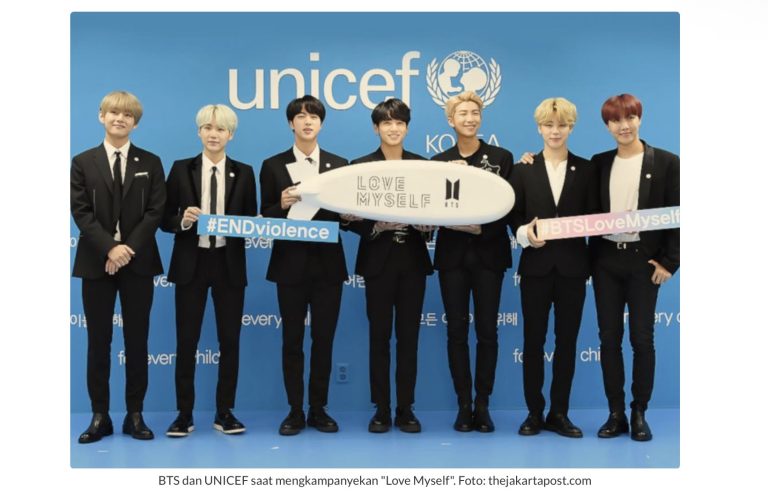
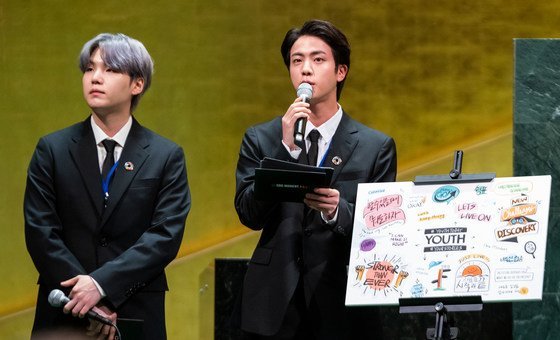
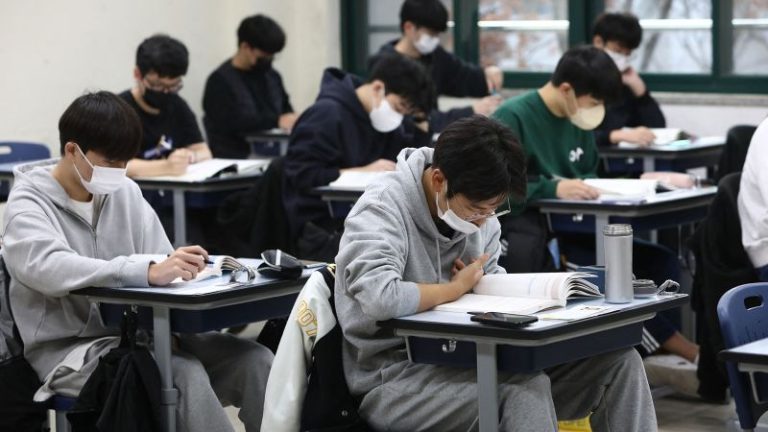
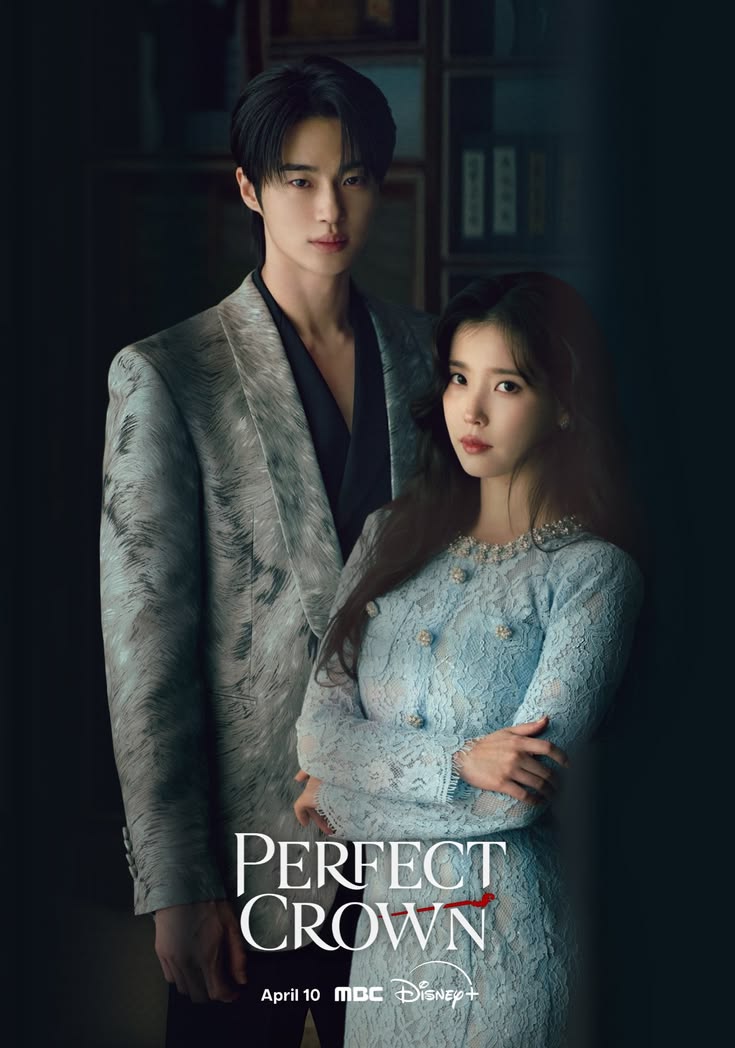
The Korean drama Perfect Crown occupies an unusual space. A royal palace stands next to luxury cars. Traditional hanbok meets leather jackets. Ancestral values clash with the aspirations of youth seeking freedom. Neither fully historical nor entirely contemporary, the drama raises a pressing question: how can tradition survive when the world changes so rapidly? This essay argues that Perfect Crown reflects South Korea’s cultural resilience in action. Tradition need not be an enemy of modernity; both can reinforce each other with critical awareness. In International Relations, this relates to soft power, a country’s ability to influence others through cultural appeal (Lale, 2020). For two decades, South Korea has used Hallyu as a primary instrument of soft power and nation branding, making dramas like Perfect Crown significant beyond entertainment.
One strength of Perfect Crown is its treatment of tradition as a living, negotiable framework. The monarchy system appears with its rigid hierarchy between nobles and commoners. No matter how wealthy, without blood ties to the royal family, a person remains a commoner. This structure seems oppressive, yet the narrative moves forward because characters question the rules. Tradition is negotiated, not erased. However, a critical observation is necessary: the drama never fully confronts whether such a hierarchy deserves to exist at all. It romanticizes noble privileges and presents upward mobility as possible only through exceptional merit or marriage. Does this constitute cultural resilience, or does it quietly preserve feudal inequalities under a modern disguise? From an International Relations perspective, this narrative functions as public diplomacy, reaching foreign audiences, but it also risks sanitizing historical injustices.
The drama also rejects the binary opposition between old and new. Modern elements like individualistic thinking, advanced technology, and urban lifestyles do not destroy the palace; they enter into dialogue with it. A crown prince using a smartphone while wearing hanbok offers a meaningful visual shorthand. Yet one might ask whether this coexistence is genuinely equal. Modernity often serves as a decorative layer, softening traditional authority without challenging its core. True critique of inherited power structures is absent. From a nation branding view, South Korea’s image as a country balancing heritage and innovation becomes a valuable diplomatic asset, but the drama’s unwillingness to take sides leaves deeper social questions unanswered.
The economic impact of Perfect Crown is undeniable. Filming locations have become tourist hotspots. Cafes featured in the drama attract visitors from Korea, Japan, China, and Indonesia. Hotels experience surges in occupancy. This pattern aligns with data showing that Hallyu contributed approximately 7 billion US dollars from cultural exports in 2015 (Lale, 2020). Small traders and local vendors also benefit. The South Korean government actively supports Hallyu as part of its national interests (Lale, 2020). Behind this strategy, local communities gain employment, and younger generations find economic motivation to preserve culture. In International Relations, this is cultural trade, strengthening a country’s bargaining position in bilateral relations. Nevertheless, a critical question persists: who owns the profits? Large entertainment agencies likely capture the majority, while localities risk becoming theme parks stripped of original character. Economic success does not automatically equal cultural justice.
Technology enables this entire ecosystem. The technical quality of Perfect Crown is impressive, relying on South Korea’s advanced infrastructure supported by giants like Samsung and LG (Lale, 2020). Technology allows the drama to reach a global audience through streaming platforms, bringing Korean tradition to the world. Viewers in Latin America or Europe learn about hanbok, tea ceremonies, or the philosophy of Jeong through stunning visuals. Yet one might question whether technological sophistication sometimes compensates for narrative shallowness. Spectacular visuals can distract from underdeveloped characters. When technology outshines substance, cultural transmission risks becoming superficial.
After various adaptations, is the tradition in Perfect Crown still fully authentic? Not entirely. Simplifications are made for easy consumption. The historically oppressive hierarchy feels softer. Conflicts are resolved through compromises unlikely in real life. However, should popular dramas bear the burden of absolute authenticity? Their primary function is to spark interest, not to serve as historical documents. Where Perfect Crown succeeds is in generating curiosity about Korean history. South Korea, with its image transformed into a modern, democratic, and creative country (Nugrahadi, 2021), gains double benefits: traditions gain visibility, the economy benefits, and younger generations feel pride in their heritage. In middle power diplomacy, South Korea uses cultural strength as a bridge between developed and developing nations. Yet this success should not silence critical reflection about which aspects of tradition are preserved and which are conveniently forgotten.
In conclusion, Perfect Crown illustrates that tradition does not have to perish in modernity. Cultural resilience is not about freezing heritage but keeping core values relevant through creative adaptation. The drama proves that modernity, economic enterprise, and technology can serve as allies for cultural preservation. From an International Relations perspective, Perfect Crown represents a concrete artifact of South Korea’s deliberate soft power strategy. Critical engagement with simplification and commercialization remains necessary, but rather than dismissing popular dramas, they can be viewed as entry points. Once the door opens, audiences bear the responsibility to learn more. Ultimately, genuine cultural resilience resides not only on screens but in the collective awareness that honors roots while embracing the courage to move forward.
Writer: Safra Zarwandah – 202410360110094
References
Bae, E. S., Chang, M., Park, E. S., & Kim, D. C. (2017). The effect of Hallyu on tourism in Korea. Journal of Open Innovation: Technology, Market, and Complexity, 3(4), 1-12.
Lale, A. (2020). The soft power of South Korea. Asya Studies, 4(13), 63-74.
Nugrahadi, N. (2021). Korea Selatan Menggunakan Kebudayaannya Untuk Pendekatan Soft Power Diplomacy.