
Image source: Pinterest
Power in international relations is often associated with military strength or economic pressure. There is also another form of power that works in a quieter way. The idea of soft power, introduced by Joseph Nye, refers to the ability of a country to influence others through attraction rather than force. South Korea offers a clear example of this through the spread of its popular culture, widely known as Hallyu or the Korean Wave. At first glance, it may seem like entertainment simply becoming popular. Looking more closely, it appears to be part of a broader and more deliberate process.
Hallyu refers to the global spread of South Korean culture, including K-pop, television dramas, films, fashion, and food. This phenomenon did not appear instantly. In the late 1990s and early 2000s, Korean dramas began gaining popularity in parts of Asia such as Japan and China. At that stage, the influence remained mostly regional. Over time, the situation changed. During the 2000s, the K-pop industry expanded and became more structured. By the 2010s, digital platforms such as YouTube and streaming services allowed Korean content to reach global audiences more easily. Access became faster, and cultural boundaries seemed less limiting.
This development does not appear entirely accidental. The South Korean government has played a role in supporting cultural industries through funding, policies, and promotion. Cultural production became part of a broader national strategy. Hallyu functions as a form of cultural diplomacy, shaping how South Korea is perceived internationally. Through music, films, and dramas, audiences around the world begin to associate the country with creativity, modernity, and a certain lifestyle.
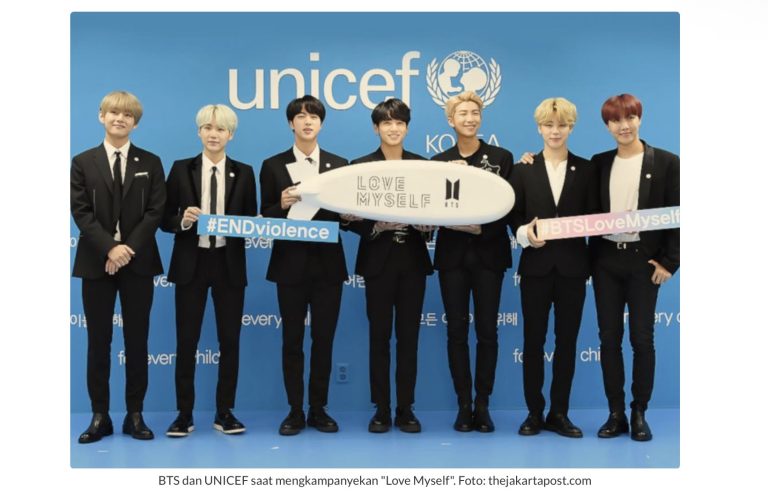
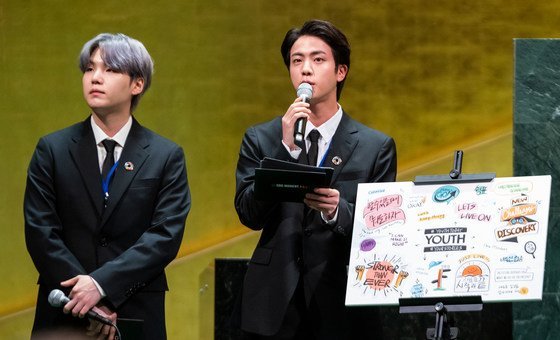
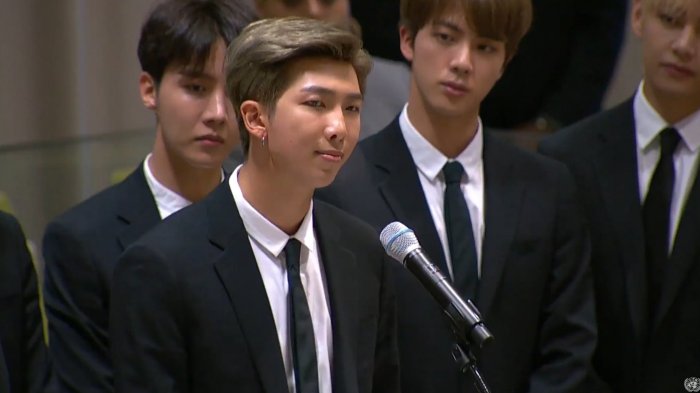
K-pop serves as one of the most visible examples. Groups such as BTS and BLACKPINK have gained global recognition that goes beyond music. Their presence on international stages contributes to South Korea’s global image. Appearances in events connected to global issues, including platforms like the United Nations, show how entertainment can overlap with diplomacy in subtle ways. Cultural figures begin to act as informal representatives of the country.
Film and television also contribute to this influence. The success of Parasite marked an important moment, showing that Korean storytelling could reach and resonate with international audiences. Korean dramas continue to attract viewers through global streaming platforms. Over time, repeated exposure to these cultural products builds familiarity. That familiarity can shape perceptions, even without direct political messaging.
From a theoretical perspective, this reflects ideas found in constructivism, where identity and perception influence international relations. The image of a country is not fixed but constructed through interactions and shared meanings. Hallyu contributes to shaping South Korea’s identity on a global level. A positive image can support stronger connections with other countries, whether through tourism, trade, or cultural exchange. The influence remains indirect, yet still meaningful.
At the same time, certain concerns exist. The widespread popularity of Korean culture may affect local cultures in other regions, especially when global audiences adopt foreign trends more quickly than domestic ones. There is also an increasing focus on consumption, particularly in areas like fashion and beauty. These aspects suggest that the influence of Hallyu is not entirely without tension.
Even with these concerns, the overall impact remains significant. South Korea has managed to transform cultural products into a form of global influence that reaches everyday life. This type of power does not rely on pressure or control. Instead, it works through interest, familiarity, and attraction. In many ways, this makes it more subtle, yet also more lasting in shaping how a country is seen and understood.
Writer: Azzalia Hafiza – 202410360110110
Reference :
Colón, S. (2026, 23 Februari). K-pop: Bands, history, industry, & global impact. Encyclopedia Britannica. https://www.britannica.com/art/K-pop
De Oliveira, C. V. A. (2025). The Hallyu Wave as a strategic soft power tool: South Korea’s cultural diplomacy in the 21st century [Preprint]. SciELO Preprints. https://doi.org/10.1590/SciELOPreprints.12388
Kania, H. (n. d). Bab II tinjauan pustaka dan kerangka pemikiran [Skripsi/Tesis, Universitas Komputer Indonesia]. Elibrary UNIKOM. https://elibrary.unikom.ac.id/id/eprint/5344/8/UNIKOM_Hida%20Kania_Bab%20II.pdf
Le, N. (2021, 28 Oktober). BTS: From K-pop idols to diplomats: The right formula for effective public diplomacy?. USC Center on Public Diplomacy. https://uscpublicdiplomacy.org/blog/bts-k-pop-idols-diplomats-right-formula-effective-public-diplomacy
Astiti, N. L. G. R. B. (2024, 2 Juli). Mengenal idol K-pop Blackpink, salah satu instrumen diplomasi budaya Korea Selatan. Indonesiana. https://www.indonesiana.id/read/173622/mengenal-idol-k-pop-blackpink-salah-satu-instrumen-diplomasi-budaya-korea-selatan
Beloan, B., Mongan, F. F. A., Suryandari, N. N. A., & Halik, M. Y. (22 April). Economic colonialism: Korean Wave (Hallyu) hegemony. International Journal of Religious and Cultural Studies, 4(1), 11–20. https://doi.org/10.34199/ijracs.2022.04.2