
Image source: Pinterest
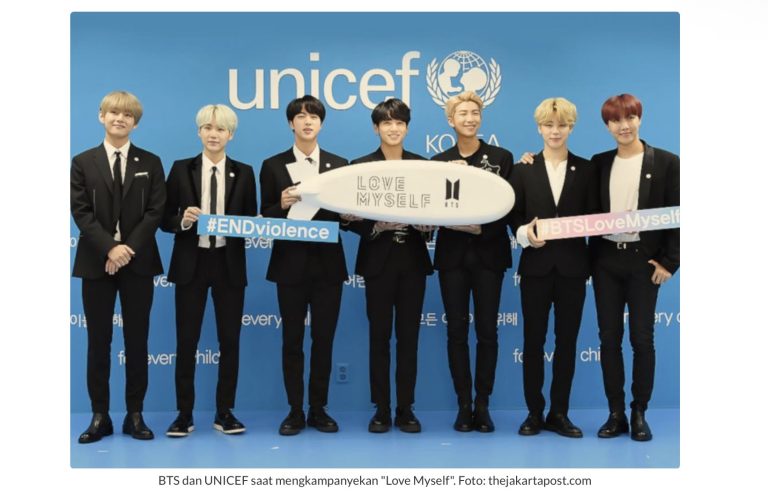
In recent years, the Hallyu or Korean Wave phenomenon has become a form of widespread of South Korean culture at the global level. The term Hallyu refers to the increasing popularity of Korean popular culture, such as K-Pop, dramas, and films, which have succeeded in attracting the attention of people in various countries (Shim, 2006). This success can be seen from the increasing number of Korean cultural products being accepted in the international market, especially in the popular music industry. K-Pop has successfully penetrated the global market and gained widespread recognition, especially through the popularity of music groups like BTS who are able to reach international charts and have a large dan base in various countries. This phenomenon show that South Korea is not only developing economically, but is also able to expand its influence through popular culture.
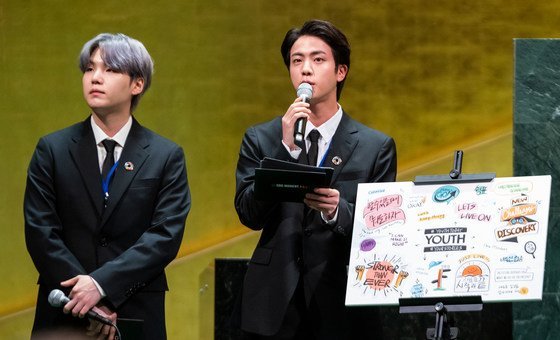
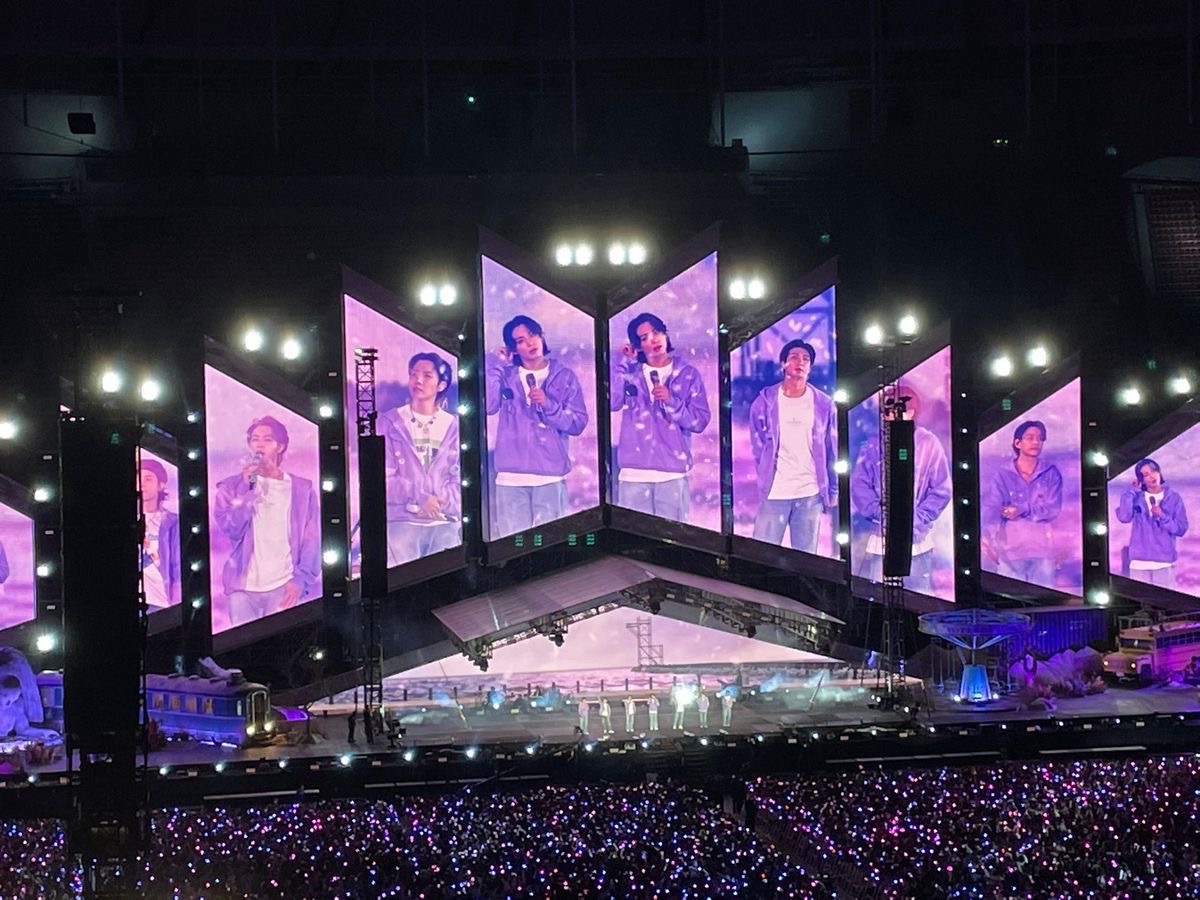
In the study of international relations, this phenomenon can be explained through the concept of soft power introduced by Joseph Nye. Soft power refers to a country’s ability to influence the preferences and policies of other countries through non-military forces, such as culture, values, and image (Nye, 1999). In this context, the music group BTS can be seen as one of South Korea’s effective soft power tools. Through music, performances, and social media activities, BTS has successfully promoted Korean culture and values to the global community. South Korea is leveraging BTS’s popularity as part of a strategy to build a positive image internationally through global concerts, social campaigns, and collaborations with various brands international.
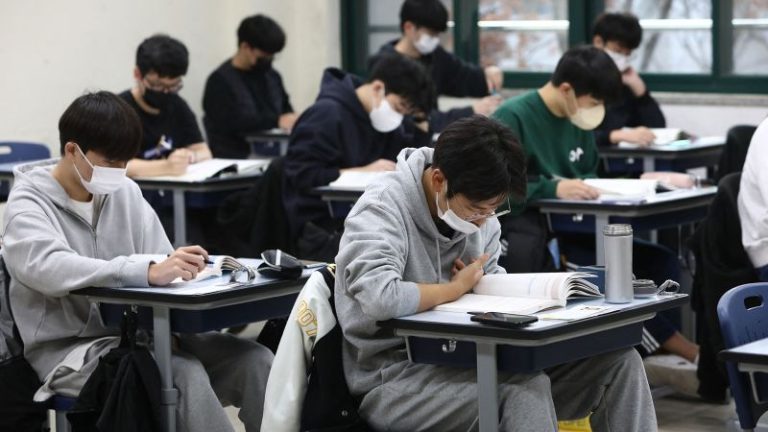
The success of K-Pop is inextricably linked to the rapidly growing South Korean entertainment industry and its well-organized production system. Entertainment, companies like SM Entertainment, YG Entertainment, and JYP Entertainment play a crucial role in creating and promoting K-Pop artists. They implement a rigorous training system for aspiring idols, including vocal training, dance training, foreign languages, and public performance skills. With the support of digital technology and global marketing strategies, the industry is able to reach a broad international audience.
The K-Pop phenomenon has also had a significant impact on various sectors, particularly of K-Pop has fueled international interest in Korean culture, including food, fashion, and beauty products. Many fans are drawn to South Korea to experience the culture they see in the media firsthand. This demonstrates that popular culture can make a significant contribution to a country’s economic growth.
Furthermore, K-Pop has helped build a positive image of South Korea internationally. A country previously associated with the conflict on the Korean Peninsula is now recognized as a center of modern and innovative popular culture. This positive image is crucial in international relations because it can enhance a country’s appeal and expand opportunities for cooperation with other nations in various fields, such as economics, education, and culture.
However, using K-Pop as a soft power tool is not without its challenges. The South Korean entertainment industry is known for being highly competitive and demanding high performance from its artists. Furthermore, popular culture trends are dynamic and can change rapidly over time. Therefore, South Korea needs to continuously innovate to ensure K-Pop’s cultural influence remains relevant and competitive on a global scale.
Overall, K-Pop is one of the must visible examples of the use of popular culture as a tool of cultural diplomacy and cultural soft power. Through music, digital media, and the popularity of artists, South Korea has successfully expanded its influence worldwide without resorting to military force or political pressure. This phenomenon demonstrates that in the era of globalization, popular culture can be a crucial source of power in modern international relations.
Writer: Meylani Ahmad | 202410360110156
Refencess
Valenciana, C., & Pudjibudojo, J. K. K. (2022). Korean Wave; Fenomena budaya pop Korea pada remaja milenial di Indonesia. Jurnal Diversita, 8(2), 205-214.
Halim, A. N. BTS DAN PENGARUHNYA DALAM PROMOSI MUSIK KOREAN WAVE DI KANCAH INTERNASIONAL.
Jin, D. (2016). New Korean Wave: Transnational cultural power in the age of social media. University of Illinois press.
Gomichon, M. (2013). Joseph Nye on soft power. E-international Relations, 8.