
Image source: Pinterest
Introduction
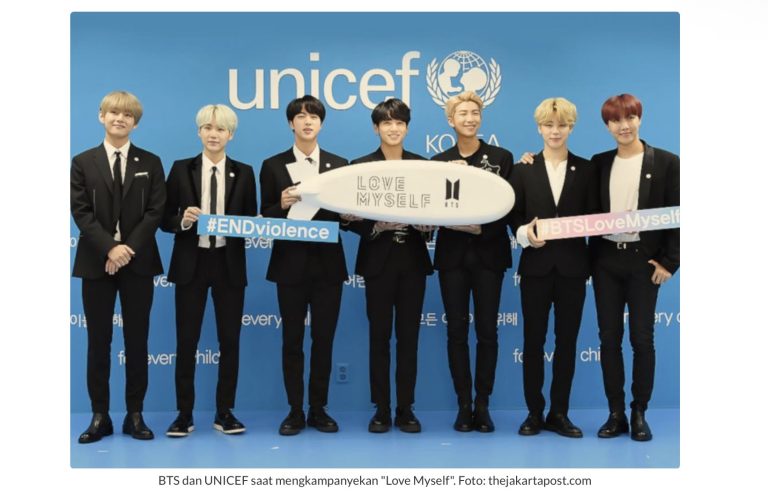
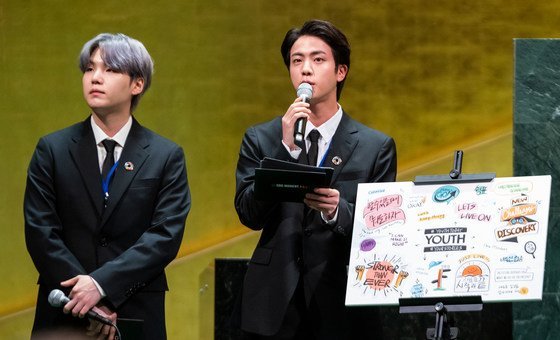
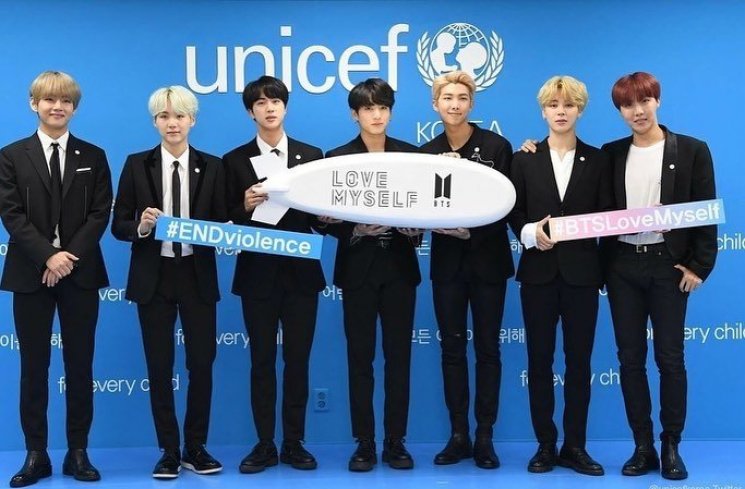
When people talk about South Korea’s rise in global influence, the conversation usually turns to Samsung, the economy, K-pop groups like BTS, or maybe Blackpink. But one figure I find particularly compelling to examine is Kwon Ji-yong, better known as G-Dragon, the frontman of BIGBANG. He debuted in 2006 and spent nearly two decades building a reputation not just as a performer, but as a songwriter, producer, and fashion icon entirely on his own terms, with no government backing. That self-built credibility is exactly what makes him such a strong case study for what Joseph Nye (1990) calls soft power: shaping how others see you not through force, but through genuine appeal.
What makes this case study from interesting to academically significant, for me, was the South Korean government formally brought G-Dragon into its highest diplomatic setting. In October 2025, he became the only K-pop artist to perform at the official APEC Summit gala dinner in Gyeongju. This essay argues that G-Dragon is not simply a product of the entertainment industry, but an active agent of cultural diplomacy who is expanding South Korea’s soft power in the world stage.
Theoretical Framework
To understand why G-dragon matters beyond the music charts, it helps to look at Nye’s (2004) concept of soft power, which identifies culture, political values, and foreign policy as its three main sources. Of these, popular culture is probably the most immediate, it shapes perceptions fast and reaches audiences that formal diplomacy never could. Cultural diplomacy is defined as the use of creative expression to build mutual understanding between nations (Schneider, 2006). What makes this especially relevant here is that non-state actors like artists often carry more credibility than government spokespeople, precisely because they are not seen as pushing a particular agenda (Schneider, 2005). G-Dragon fits this description almost perfectly.
From a constructivist standpoint, Wendt (1992) argues that a country’s identity is not fixed, it is built through repeated social interactions over time. Every time G-Dragon appeared at Paris Fashion Week, or on a global stage like APEC, he was quietly contributing to a particular image of South Korea: creative, contemporary, culturally confident. That image does not emerge from a press release. It accumulates.
G-Dragon as a Cultural Diplomacy Agent
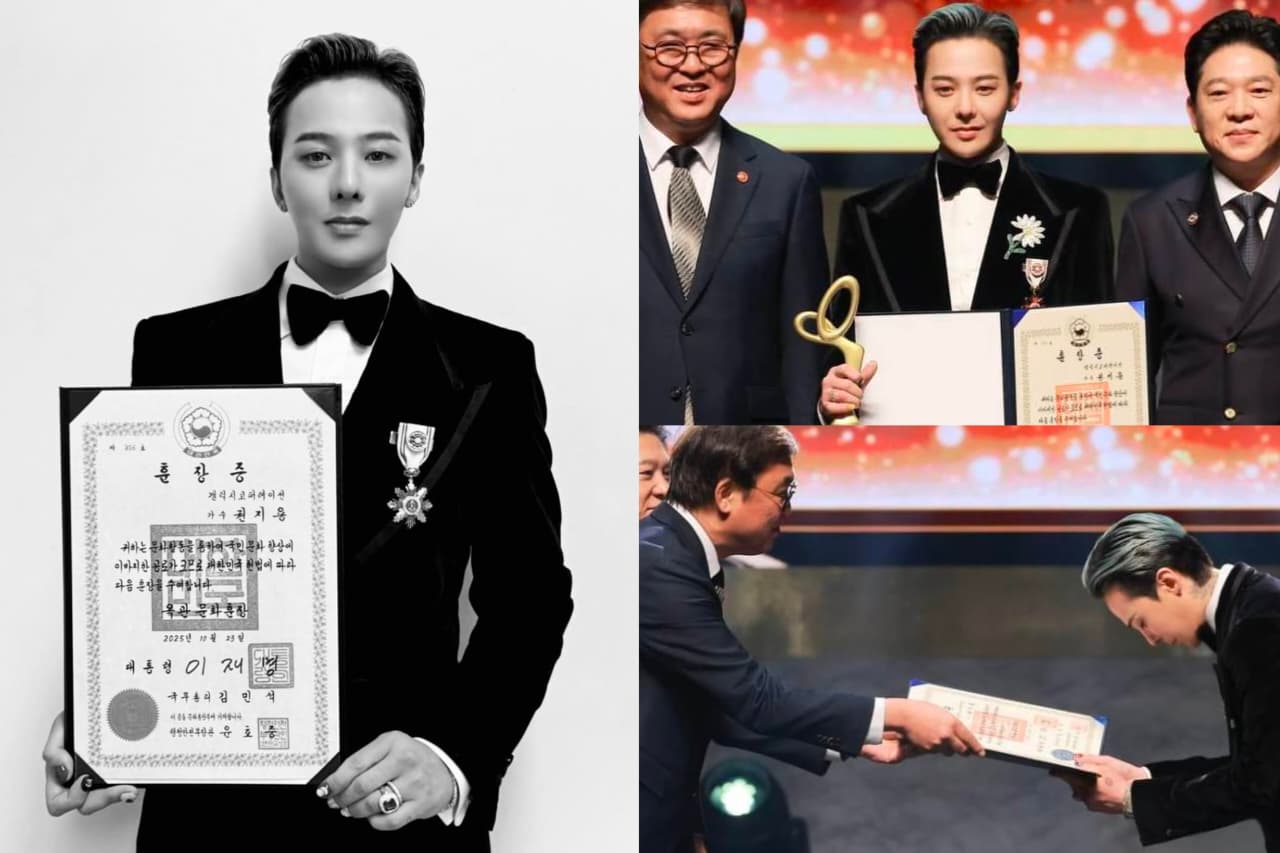
Image source: Pinterest
Perhaps, the clearest sign of how seriously South Korea takes G-Dragon’s role came on October 23, 2025, when the Ministry of Culture awarded him the Okgwan Order of Cultural Merit, the fourth-highest cultural honor in the country. He was the youngest person and the first K-pop idol to ever receive it. That is not a small thing. It signals that the state no longer sees pop culture as entertainment separate from national interest, it sees it as part of the same project.
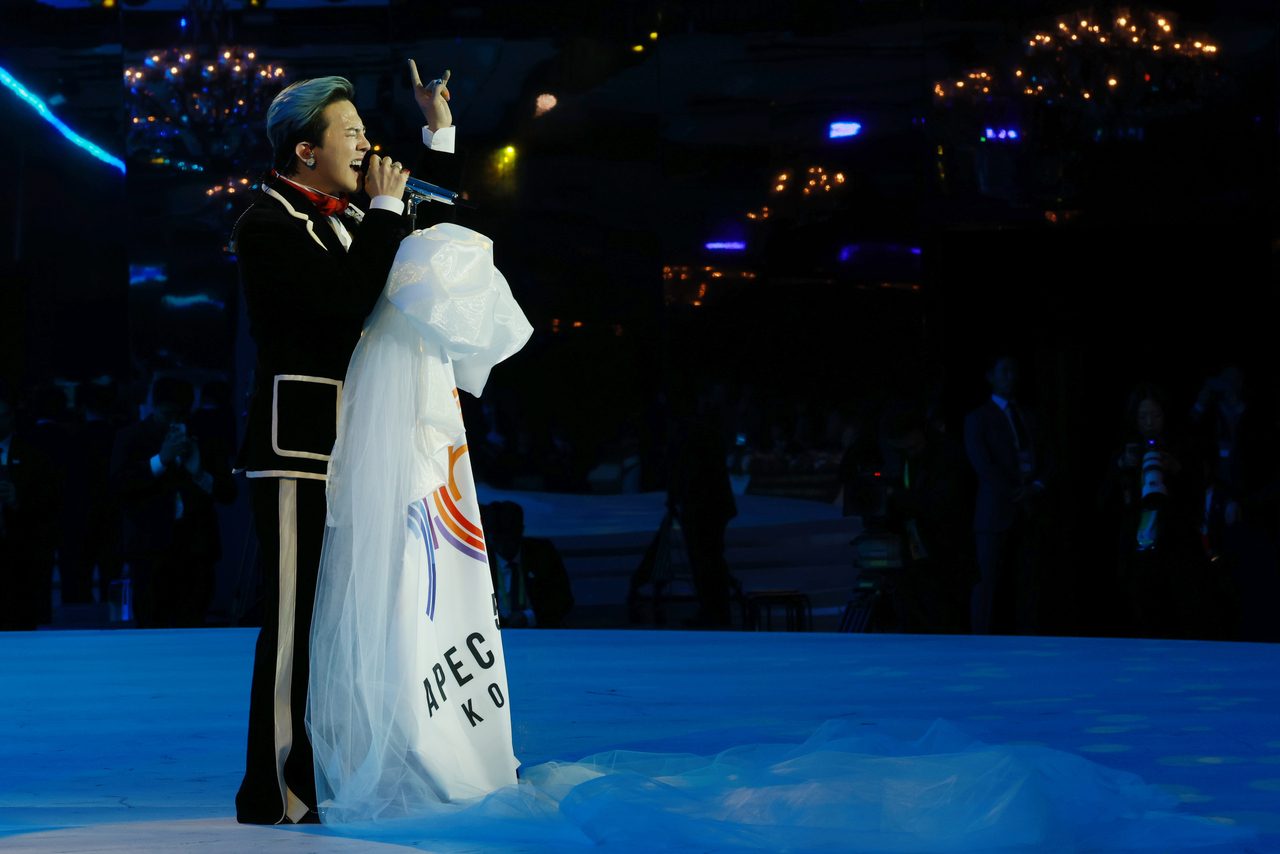
The APEC gala dinner on October 31, 2025, was probably the most vivid illustration of this. G-dragon performed in front of roughly 400 guests from all 21 APEC member economies, heads of state included (Korea Times, 2025). He wore a fedora with pearl chains that echoed the shape of a gat, the traditional hat from Korea’s Joseon period, a small detail, but one that carried a deliberate message about cultural identity (Korea Herald, 2025). What struck me most though, was the reaction from Canadian Prime Minister Mark Caney that was filmed the performance on his phone, and Malaysian Prime Minister Anwar Ibrahim uploaded a clip to his personal Instagram with the caption #KPOPFOREVER, pulling over 110.000 likes in a single day (KED Global, 2025). That kind of response does not happen because a government asked for it.
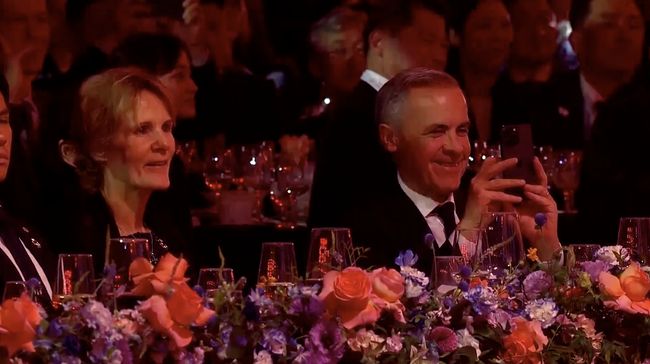
Image source: Google
It is also worth remembering that this diplomatic influence did not start at APEC. Back in 2016, G-Dragon became the first Asian global ambassador for Chanel, a house that had never really looked toward Asia for that kind of partnership before (System Magazine, 2022). And when his Nike Air Force 1 ‘Para-Noise’ dropped in 2019, it sold out across 44 countries in under 30 minutes(Allkpop, 2019). These are not the achievements of someone placed into a diplomatic role by a ministry. They are what made him credible enough to eventually be placed there.
Conclusion
Looking at this case as a whole, what I think makes it genuinely interesting for international relations is not just that a pop star performed at a diplomatic summit. It is that South Korea made that choice deliberately, and it worked. G-Dragon was not handed soft power, he built it, and the government recognized that and used it strategically. The result is diplomacy that does not feel like diplomacy, which is arguably the most effective kind.
For IR scholarship, the broader takeaway is that the line between state and non-state actors in diplomacy is getting harder to draw. South Korea did not manufacture G-Dragon’s global appeal, they spotted it, supported it, and made it part of how the country presents itself to the world. That, in my view, is what effective cultural diplomacy actually looks like in practice.
Writer: Devina Luthfiyana Izzah – 202410360110080
References
Allkpop. (2019, November 23). G-Dragon Nike shoes sold-out worldwide in matter of minutes. https://www.allkpop.com/article/2019/11/g-dragon-nike-shoes-sold-out-worldwide-in-matter-of-minutes
KED Global. (2025, November 3). Malaysian PM shares G-Dragon’s APEC stage: ‘K-POP FOREVER’. https://www.kedglobal.com/k-pop/newsView/ked202511030002
Korea Herald. (2025, October 23). From G-Dragon to Lee Byung-hun and Lee Min-ho: Icons shine at Korea Popular Culture and Arts Awards. https://www.koreaherald.com/article/10600171
Korea Herald. (2025, November 1). G-Dragon lights up APEC 2025 gala dinner in Gyeongju. https://www.koreaherald.com/article/10606555
Korea Times. (2025, November 1). From stage to diplomacy: G-Dragon steals the show at APEC summit gala. https://www.koreatimes.co.kr/entertainment/others/20251101/from-stage-to-diplomacy-g-dragon-and-cha-eun-woo-steal-the-show-at-apec-summit-gala
Nye, J. S. (1990). Bound to lead: The changing nature of American power. Basic Books.
Nye, J. S. (2004). Soft power: The means to success in world politics. PublicAffairs.
Schneider, C. (2006). Cultural diplomacy: Hard to define, but you’d know it if you saw it. Brown Journal of World Affairs, 13(1), 191–203.
Schneider, C. P. (2005). Culture communicates: US diplomacy that works. In J. Melissen (Ed.), The new public diplomacy: Soft power in international relations (pp. 147–168). Palgrave Macmillan.
Soompi. (2025, October 23). Winners of 2025 Korea Popular Culture and Arts Awards. https://www.soompi.com/article/1792594wpp/winners-of-2025-korea-popular-culture-and-arts-awards
System Magazine. (2022). Influence. K-pop. Issue 22: The Entertainment Issue. https://system-magazine.com/issues/issue-22/influence-k-pop
Wendt, A. (1992). Anarchy is what states make of it: The social construction of power politics. International Organization, 46(2), 391–425. https://doi.org/10.1017/S0020818300027764